Alberta voters have rejected a push for a referendum on secession, easing immediate fears of a rupture in Canada’s biggest energy-producing province even as the political grumbling that fueled the campaign is far from over.
Alberta Rejects Secession Referendum Push
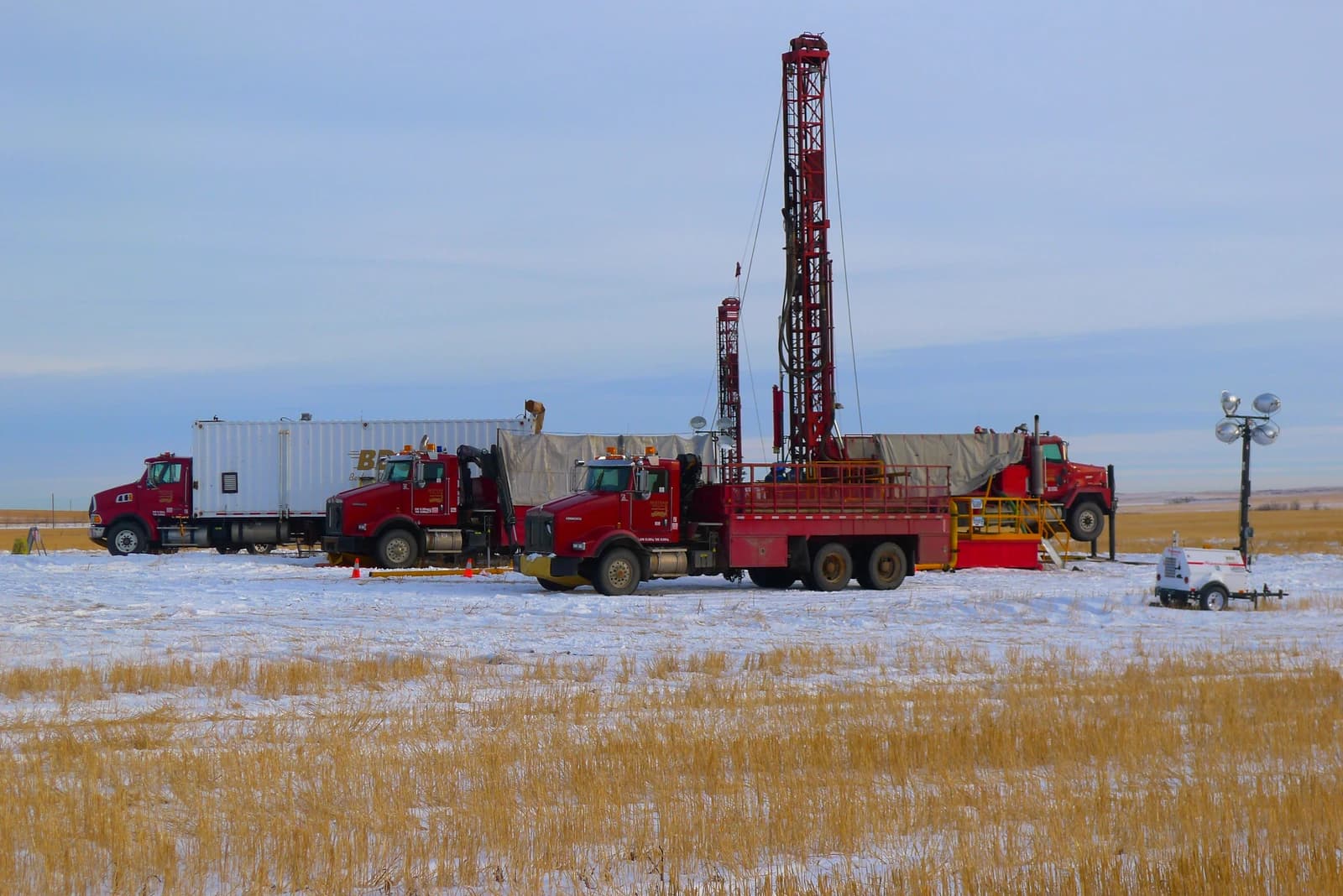
For investors, that matters because Alberta is not just a regional story; it is the engine room of Canada’s oil industry and a key piece of the North American energy supply chain. A breakaway movement would have introduced a fresh layer of political risk around pipelines, permitting, taxes and investment, at a time when producers already face trade pressure, policy uncertainty and the long-term challenge of funding energy transition projects.
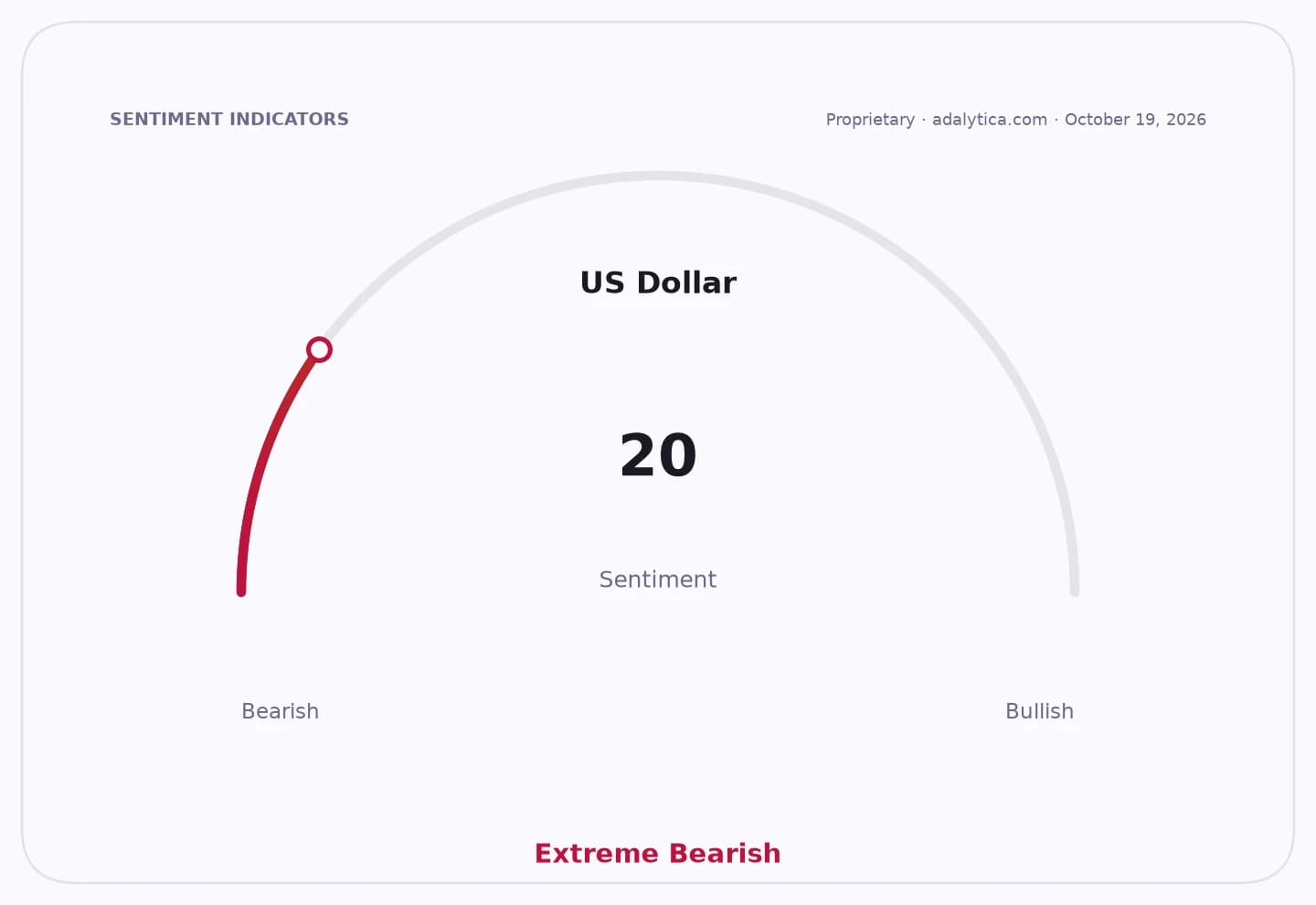
Sentiment IndicatorsⓘProprietary · adalytica.com · October 23, 2026
This is a snapshot — live sentiment, awareness and momentum for 130+ markets update continuously in the dashboard.Open AlphaPulse
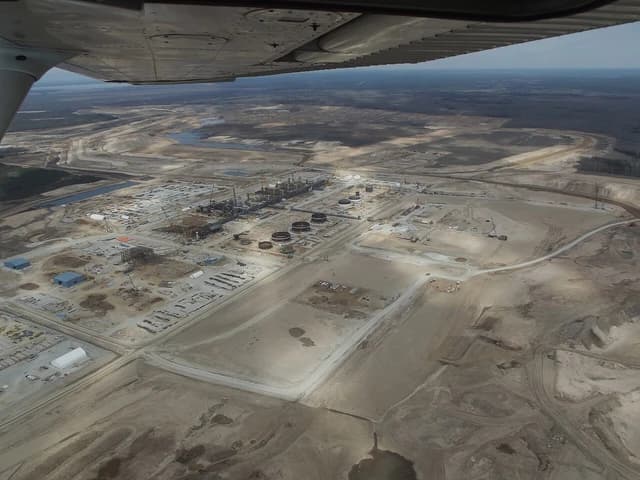
The province’s decision leaves Prime Minister Mark Carney with room to press ahead on his promise of a new oil pipeline to the Pacific, a high-speed rail link between Calgary and Edmonton and more housing. Those pledges are aimed at answering a familiar Alberta complaint: that Ottawa has often treated the province’s fossil-fuel wealth as a problem to manage rather than a growth asset to expand.
That grievance has real economic roots. Alberta has been one of Canada’s fastest-growing provinces and a major contributor to national growth, thanks in large part to its oil sands and related infrastructure. Companies such as Canadian Natural Resources, Suncor and Imperial Oil depend on stable access to capital, export routes and regulatory clarity. Political fragmentation would have raised the cost of doing business just as the sector is trying to balance production growth with shareholder returns and lower-emissions investment.
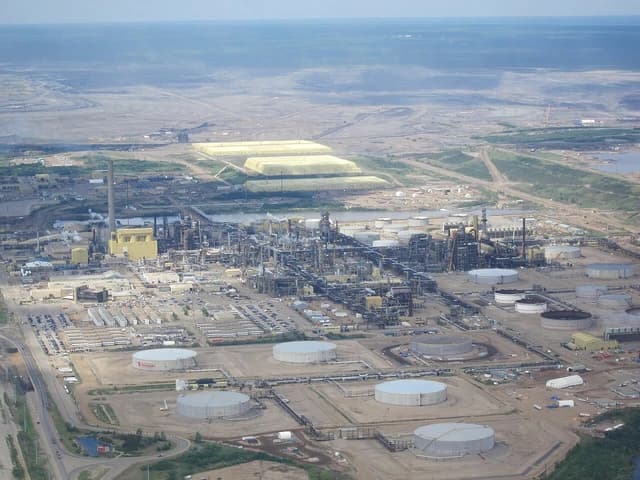
The market has already been reminding investors how sensitive energy names are to policy and commodity swings. Shares of Canadian Natural Resources, Suncor and Imperial Oil have all been trading above their 50-day moving averages, with Suncor and Imperial Oil especially strong on a multi-month basis, but the moves have also left some momentum readings stretched, suggesting expectations are elevated. That is another reason political certainty matters: when valuations are running hot, investors tend to punish any sign that the operating backdrop could worsen.
Still, the vote does not end the story. Alberta’s discontent with federal climate and resource policy remains a live issue, and separatist sentiment can always re-emerge if economic conditions soften or if Ottawa is seen as leaning too hard against the province’s interests. The result is best read not as a permanent settlement, but as a pause in a longer negotiation over how much autonomy Canada’s oil heartland should have.
For long-term investors, the takeaway is straightforward: Alberta’s choice to stay in Canada reduces one risk premium, but it does not erase the political tension that hangs over Canadian energy. The companies most exposed to the province’s resources remain worth watching, especially if Ottawa and Edmonton can turn this narrow escape into a more durable deal for growth.
| Entity | Gains | Losses |
|---|---|---|
| Canadian federal government | ▲Immediate unity relief | ▼Leverage from separatist pressure |
| Alberta energy producers | ▲Policy continuity | ▼Secession-related uncertainty fades |
| Separatist movement | ▲Attention and visibility | ▼Referendum mandate fails |
| Investors in Canadian energy | ▲Lower political risk premium | ▼Fewer upside bets from disruption |