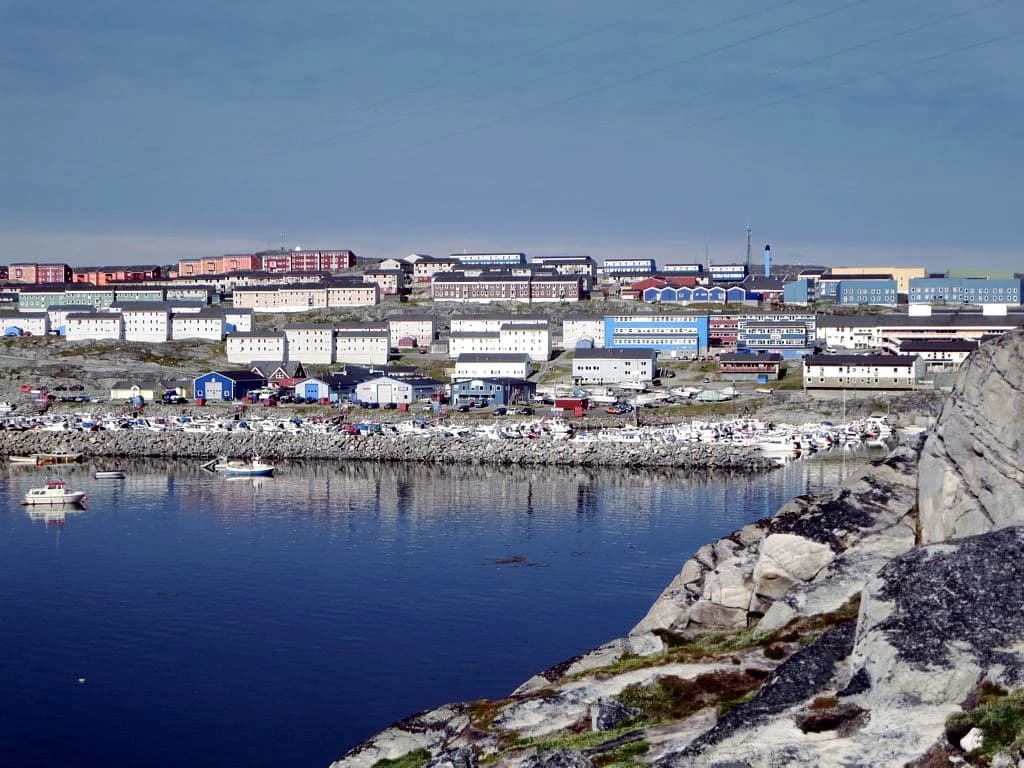
Robert Price’s bid to unlock what could be a $1 trillion Arctic oil prize has been thrown into limbo, and the damage now matters far beyond one remote Greenland drilling site.
Greenland Energy project delayed amid political backlash

The Greenland project was meant to be a high-reward, high-risk frontier play: as much as 13 billion barrels of crude in Jameson Land, with Price’s Greenland Energy aiming for breakeven around $20 a barrel at a time when Brent is near $100 and global inventories have tightened sharply. In a market where oil supply security is once again a geopolitical issue, that kind of potential low-cost reserve would normally draw capital, not controversy.
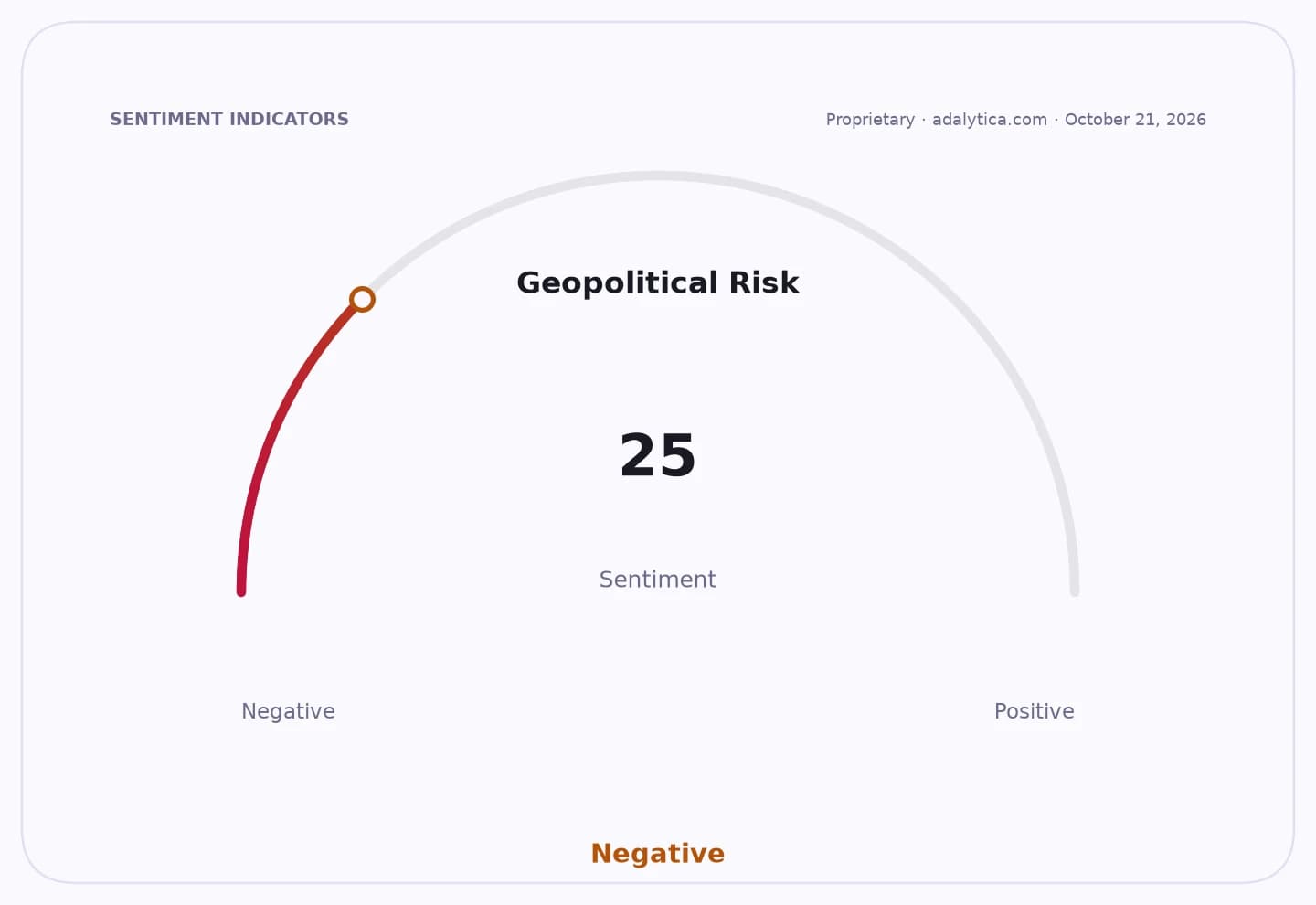
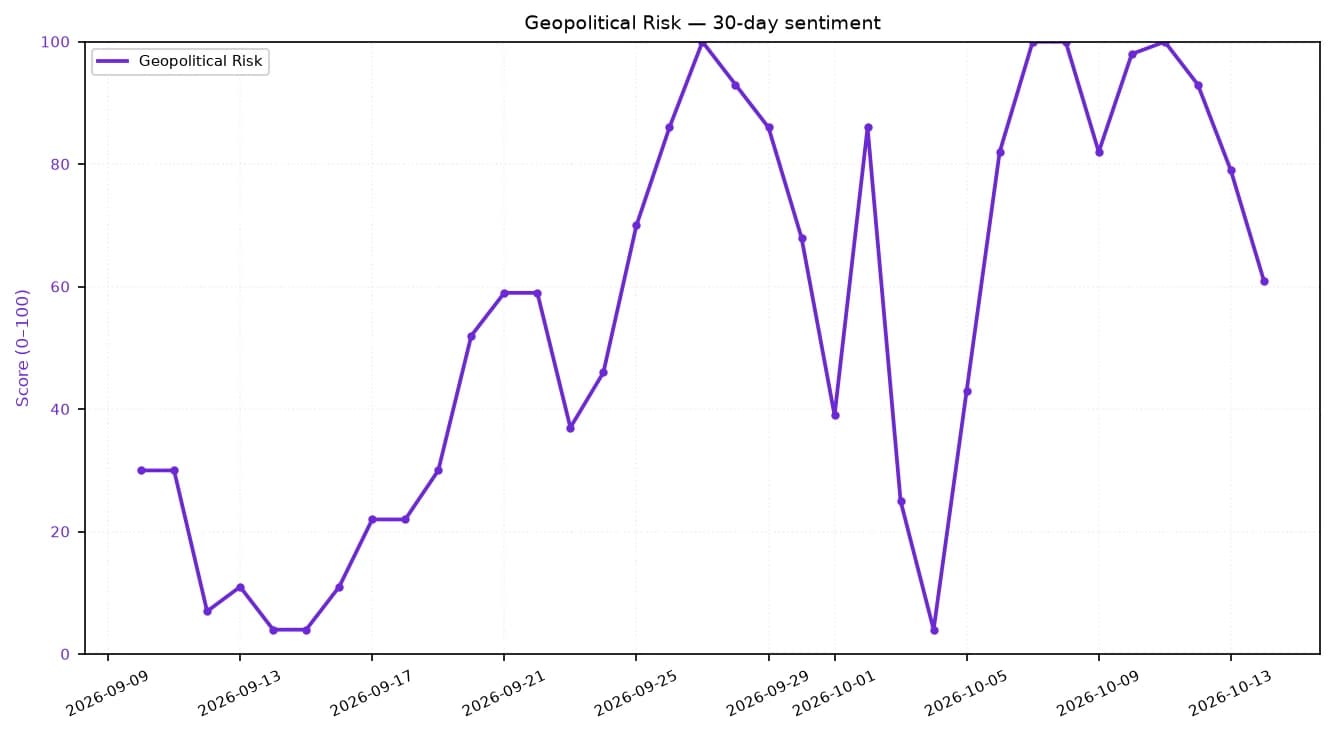
Sentiment IndicatorsⓘProprietary · adalytica.com · October 21, 2026
This is a snapshot — live sentiment, awareness and momentum for 130+ markets update continuously in the dashboard.Open AlphaPulse
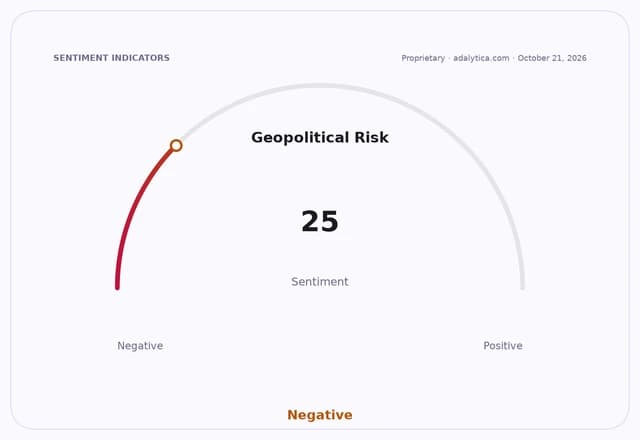
Instead, the pitch collided with politics. Greenland regulators pulled support after a Dr. Phil McGraw podcast and documentary amplified the project just as local anger was already rising over Donald Trump’s repeated threats to control the island. What might have been a financing and permitting story became a sovereignty story. The company has since delayed operations until at least 2027, suspended ties with McGraw and is trying to rebuild trust with officials who now see the project through a political lens.
That matters because Greenland is one of the last unexplored resource frontiers in the Western world, and any successful drilling campaign there would reshape the investment case for Arctic energy. The economics are compelling on paper: Arctic access is difficult, but not impossible, and Price argues modern drilling technology makes the old ARCO geology more attractive than when the major walked away after spending 30 years and $250 million without spudding a well. If he is right, the upside is not just for Greenland Energy shareholders; it could reopen a frontier that the market has largely ignored for decades.

The bigger lesson for investors is that frontier-resource value can be destroyed as quickly by social license as by geology. That is particularly true in the Arctic, where environmental sensitivity, indigenous politics and great-power rivalry now overlap. Greenland has stopped issuing new oil licenses since 2021, Russia remains the dominant Arctic power, and U.S. strategic interest has only sharpened the scrutiny around any American-linked project.
For investors, the immediate read-through is not to chase the Greenland story blindly, but to focus on the broader supply-constrained energy trade. Oil near $100, falling inventories and a narrowing pool of easily developed reserves still favor producers, service providers and infrastructure names with existing scale. The Arctic may stay frozen for now, but the market’s need for new barrels is not going away. The real opportunity is in companies that can deliver supply without triggering a political backlash.
| Entity | Gains | Losses |
|---|---|---|
| Existing oil producers | ▲Higher prices, tighter supply | ▼None |
| Greenland Energy / Robert Price | ▲Optionality on giant reserve | ▼Permitting, reputation, timetable |
| Greenland regulators | ▲Political control, leverage | ▼Investment uncertainty |
| Oil-service and infrastructure firms | ▲More frontier capex demand | ▼Delayed Arctic contracts |