Alaska’s long-promised LNG export project is still years away from becoming real, and that gap between political promotion and industrial execution is what investors should focus on.
Alaska LNG Project Remains Years From Construction
Ron Klein, a former U.S. Democratic congressman who has followed the project closely, said the Alaska LNG plan would take “5 to 10 years” to materialize and called President Donald Trump’s latest push for it “premature.” That matters because the project is being sold as a fast-track answer to global gas security, but the economics and engineering say otherwise: a project with a reported $44.5 billion price tag can’t be wished into existence with trade headlines.
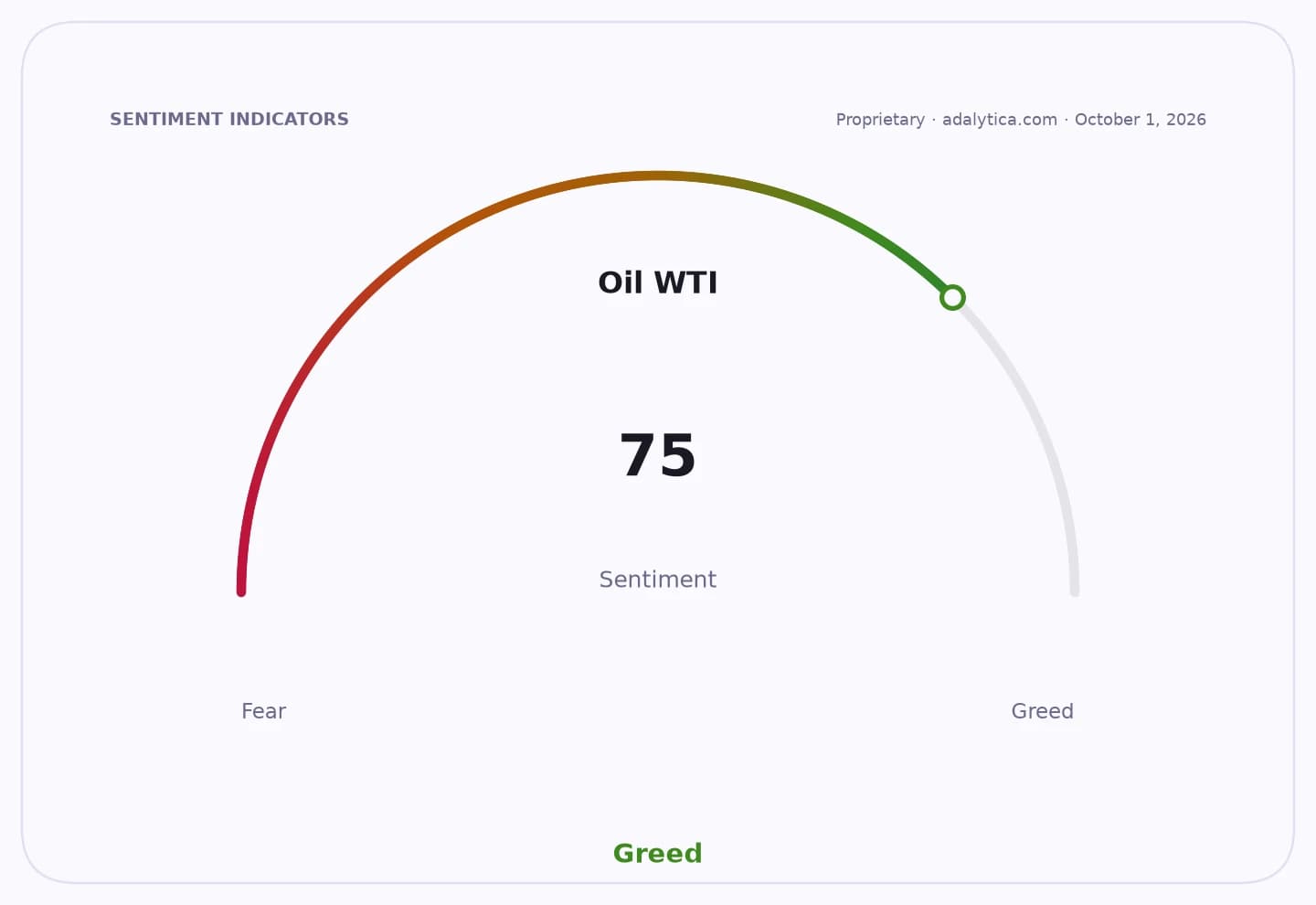
Sentiment IndicatorsⓘProprietary · adalytica.com · October 22, 2026
This is a snapshot — live sentiment, awareness and momentum for 130+ markets update continuously in the dashboard.Open AlphaPulse
The market is already telegraphing that investors are treating this less as an imminent cash-flow story than a long-dated option on future LNG demand. ConocoPhillips, which has exposure to the broader Alaska energy complex, has been trading sharply higher, with its shares recently at $145.95, well above both the 50-day and 200-day moving averages. Shell, another global LNG heavyweight, has also rallied to $105.36, while BP has climbed to $49.39. Those moves reflect a market that remains constructive on LNG as a secular theme, but they do not prove Alaska LNG itself is investable on current timelines.
That distinction matters. A project that may double in cost and requires years of permitting, financing and construction is not the same as an operating export terminal. The real beneficiaries, if this ever advances, are likely to be the companies that control upstream gas reserves, LNG shipping, midstream infrastructure and long-cycle engineering work — not the politicians announcing memorandums of understanding. For now, the more immediate trade is in expectations: winter supply fears, global LNG tightness and geopolitical bargaining power are supporting gas-linked assets, but the Alaska project itself remains a deferred catalyst, not a near-term earnings driver.
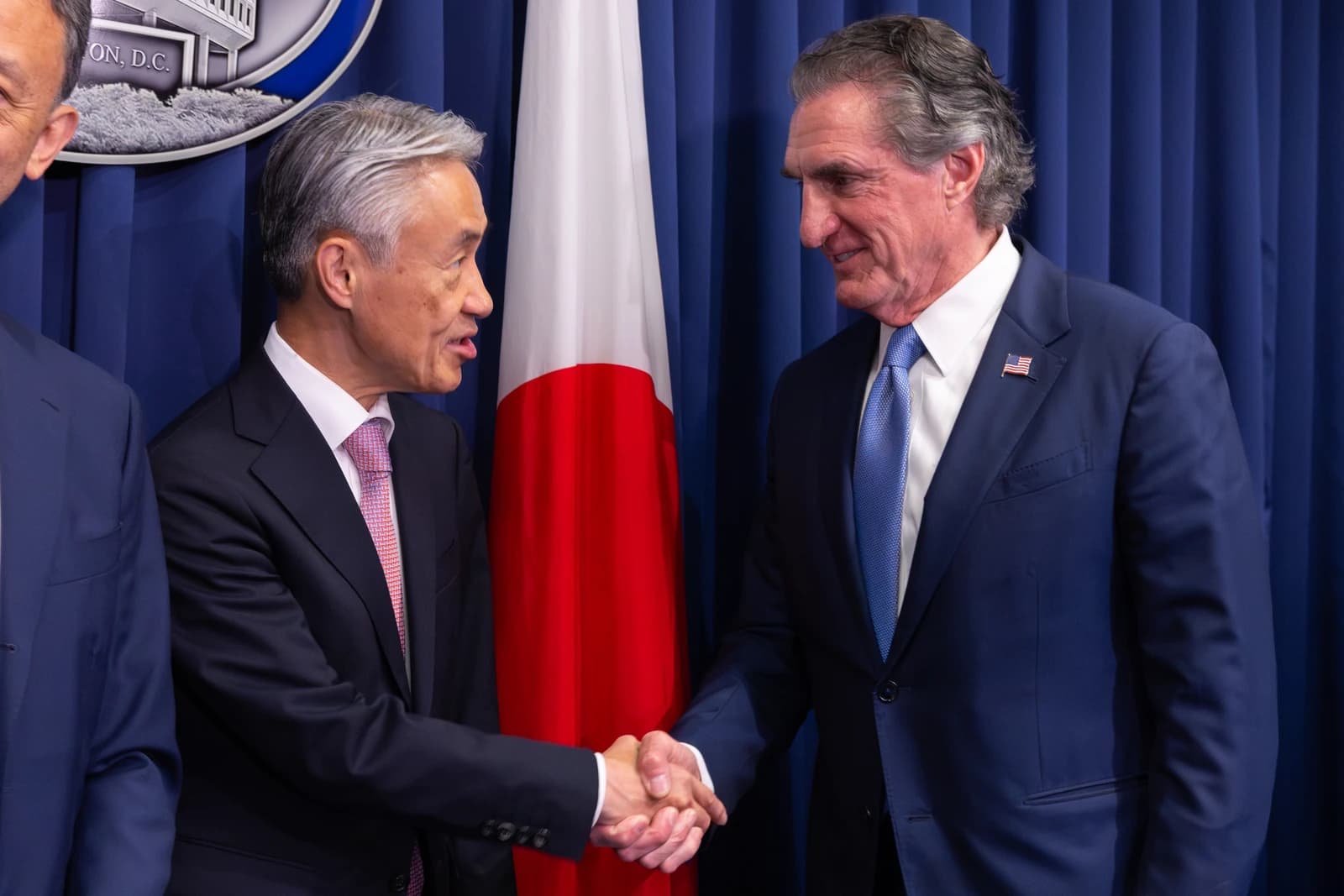
Trump’s pitch also collides with diplomatic uncertainty. Korea’s commitment remains under review, even after Washington highlighted a possible $50 billion Korean infrastructure investment, while Taiwan’s pledge to buy 30% of the LNG output underscores how much of the project’s financing logic depends on foreign customers that have not fully signed up. That makes the project more vulnerable to trade negotiations than to energy fundamentals.
The best way to read this is simple: Alaska LNG is a political headline with a very long fuse. Until financing, customer commitments and construction schedules are locked, investors should treat it as an optionality story — one that could reward infrastructure, LNG and gas exporters years from now, but not one that justifies chasing the announcement today.
| Entity | Gains | Losses |
|---|---|---|
| LNG exporters and gas producers | ▲Long-dated supply optionality | ▼Near-term project uncertainty |
| ConocoPhillips, Shell, BP | ▲LNG sector sentiment support | ▼Direct Alaska project execution risk |
| Trump administration | ▲Energy-security narrative | ▼Credibility if timelines slip |
| Korea and Taiwan | ▲Trade leverage and supply access | ▼Financing pressure and policy scrutiny |