ExxonMobil’s move to take operational control of Papua LNG gives a long-delayed project fresh momentum at a time when Asia’s appetite for liquefied natural gas is still growing and supply security remains a priority for governments and utilities.
ExxonMobil takes control of Papua LNG project
That matters because LNG projects only create value when they actually get built. For Papua New Guinea, the project could bring billions of dollars in investment, construction jobs and export revenue. For Exxon, it would add another long-life gas asset to a portfolio that investors prize for its ability to generate cash over decades rather than quarters.
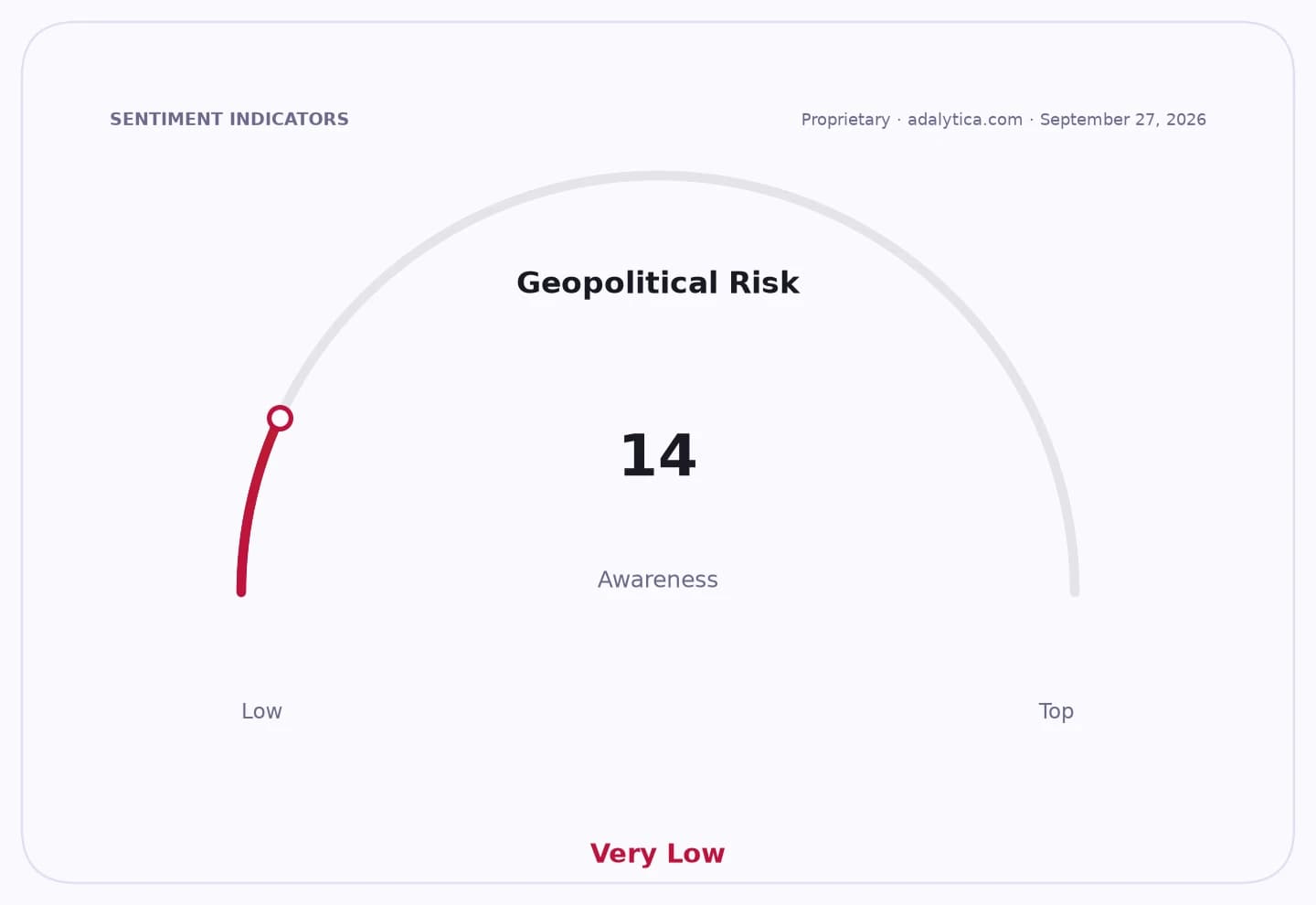
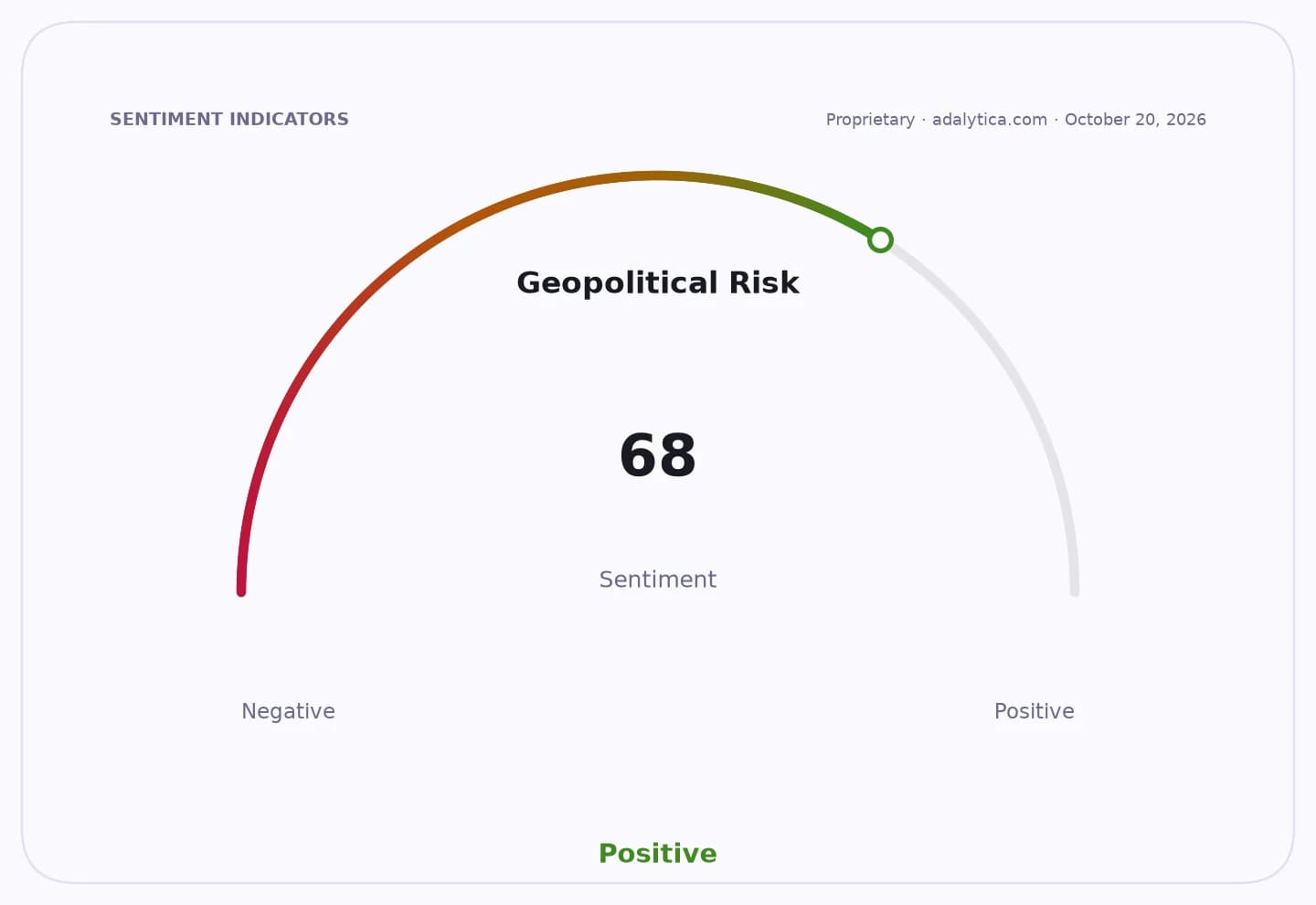
Sentiment IndicatorsⓘProprietary · adalytica.com · October 18, 2026
This is a snapshot — live sentiment, awareness and momentum for 130+ markets update continuously in the dashboard.Open AlphaPulse
The timing is important. The project now has in-principle approval for LNG purchase proposals from five companies, according to the news flow around the deal, a sign that commercial demand is lining up behind the development. In LNG, offtake is everything: once buyers commit, financing becomes easier, engineering work accelerates and the odds of first cargoes improve.
That is why Exxon’s takeover of operations is more than a housekeeping change. It suggests the company is willing to spend management attention and capital on a project that has already spent years in the slow lane. Papua LNG sits in a market where Asia still needs incremental gas to replace declining domestic supply and support power generation, and where geopolitical tensions have made reliable LNG supply more valuable than ever.
Investors should view the project through that long-cycle lens. Exxon does not need Papua LNG to move next quarter’s earnings. What it needs is a pipeline of advantaged projects that can sustain production, free cash flow and dividends well into the next decade. A successful Papua LNG would fit that model if development discipline holds and cost inflation stays contained.
The stock market, meanwhile, has already been treating Exxon like a company with momentum. Exxon shares have climbed sharply in recent months, a sign investors continue to reward the oil major’s scale, capital returns and exposure to durable energy demand. But the real prize is not the share price move itself — it is whether Exxon can keep adding projects that compound cash flow over time.
There are still execution risks. Large LNG developments are notorious for delays, cost overruns and regulatory complexity, especially in frontier regions. But the direction of travel looks better than it did a year ago, and the combination of buyer interest, government backing and Exxon’s operating role gives the project more credibility than it has had in some time.
For long-term investors, Papua LNG is worth watching as part of Exxon’s broader effort to lock in future gas supply in a world that still needs more energy, not less. The key question is no longer whether the project exists on paper. It is whether Exxon can turn it into a real, cash-generating asset.
| Entity | Gains | Losses |
|---|---|---|
| ExxonMobil | ▲More control of Papua LNG | ▼Higher execution risk |
| Papua New Guinea | ▲Potential investment and jobs | ▼Depends on project delivery |
| LNG buyers | ▲Better supply visibility | ▼Less leverage on terms |
| Competing gas suppliers | ▲Tighter market support | ▼More competition for contracts |