PHR Zona 4’s latest well test in South Sumatra points to a meaningful lift in output from a mature field, with GNK-115 showing initial oil potential of 2,423.29 barrels per day and gas potential of 1.95 million cubic feet per day.
PHR Zona 4 Well Test Lifts South Sumatra Output
The result matters because Indonesia is trying to slow decline at aging oil and gas assets without sharply raising development costs. In mature basins, even modest production gains can improve cash flow, extend field life and reduce dependence on imported fuel in a market where crude prices remain elevated.
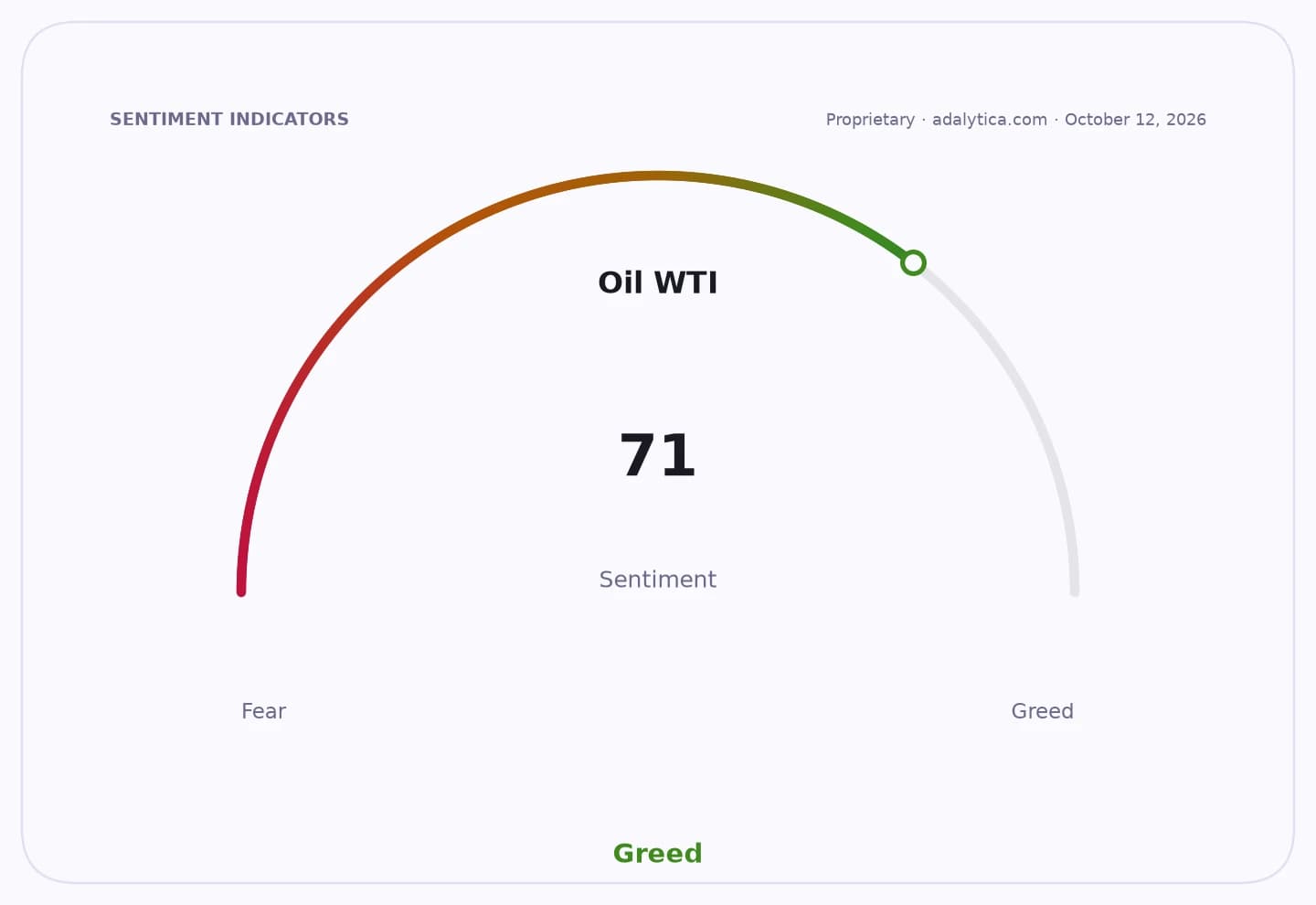
Sentiment IndicatorsⓘProprietary · adalytica.com · October 18, 2026
This is a snapshot — live sentiment, awareness and momentum for 130+ markets update continuously in the dashboard.Open AlphaPulse
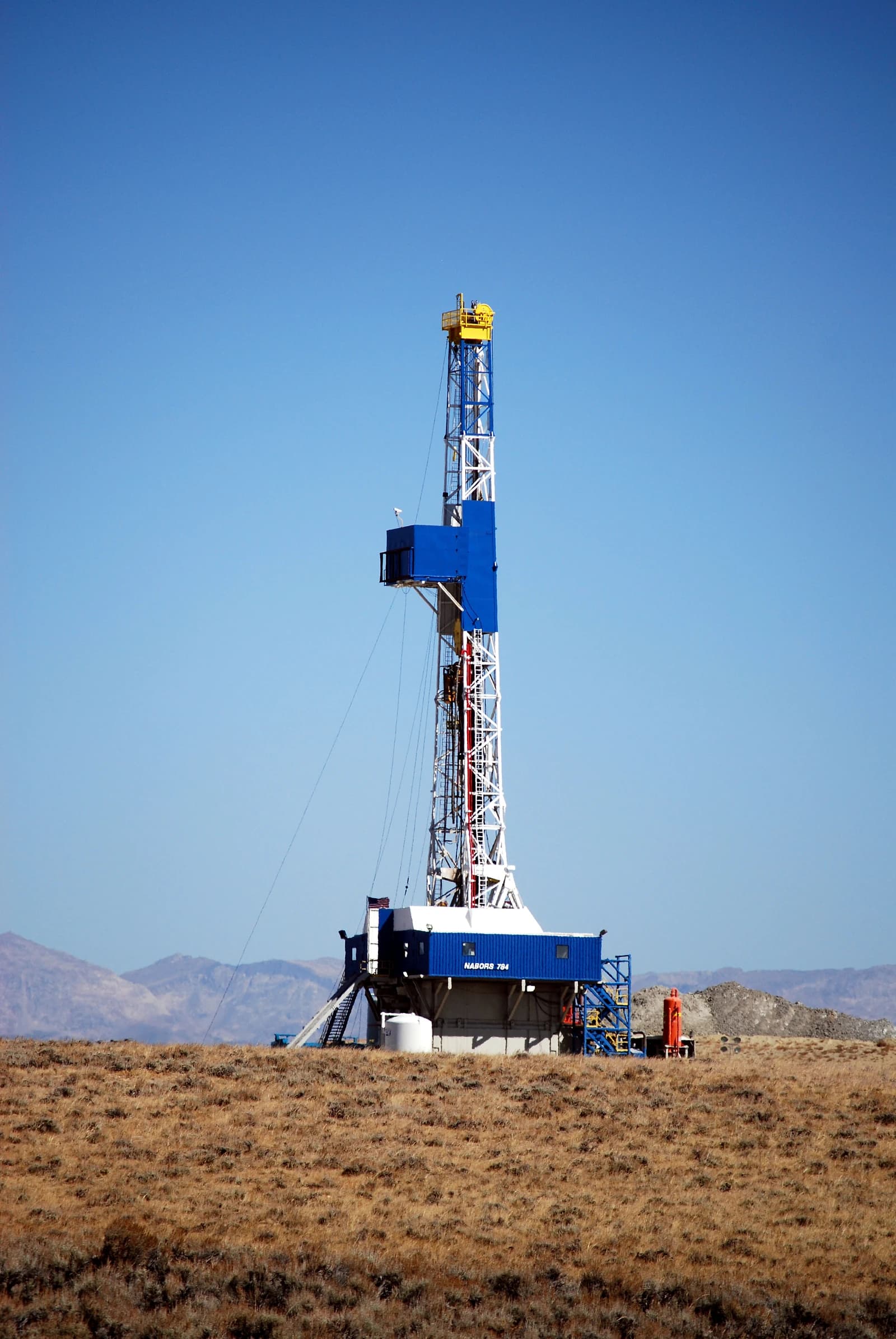
The well was tested on Oct. 5 using a natural open flow method after development began on July 21, and PHR said the upside came from batch drilling at the Gunung Kemala structure in Pertamina EP’s Prabumulih Field. Batch drilling allows multiple nearby wells to be drilled in sequence without repeatedly dismantling and moving the rig, cutting downtime and improving operating efficiency.
For investors, the key takeaway is not just the well result but the operating model. If PHR can repeat the approach across other mature assets, it could support steadier upstream volumes and better economics for Pertamina’s domestic production base, which has been under pressure from natural field decline.
The broader backdrop is supportive for upstream activity. Brent crude has stayed above $105 a barrel in the wider market context, while energy equities and oil-service names remain sensitive to signs of stronger drilling demand and tighter supply conditions. Adalytica’s Oil WTI Trade Signals snapshot shows neutral sentiment, suggesting the market is not yet pricing in a sustained breakout, even as physical supply concerns linger.
PHR Zona 4 General Manager Heru Irianto framed the GNK-115 result as proof that innovation can help bolster national energy security. The next catalyst is whether the company can translate the Gunung Kemala success into higher recurring output across its mature portfolio.
| Entity | Gains | Losses |
|---|---|---|
| PHR Zona 4 | ▲Higher output potential | ▼Higher execution expectations |
| Indonesia’s energy supply | ▲More domestic barrels and gas | ▼Less reliance on imports |
| Oilfield service providers | ▲More drilling activity demand | ▼Fewer efficiency gaps for operators |
| Oil importers/consumers | ▲Some relief from supply strain | ▼Still exposed to elevated crude prices |