Hotter summers, higher utility bills and the spread of remote work are changing what buyers want in a home, with summer comfort and energy performance now often outweighing size and room count.
Housing buyers prioritize energy efficiency and comfort
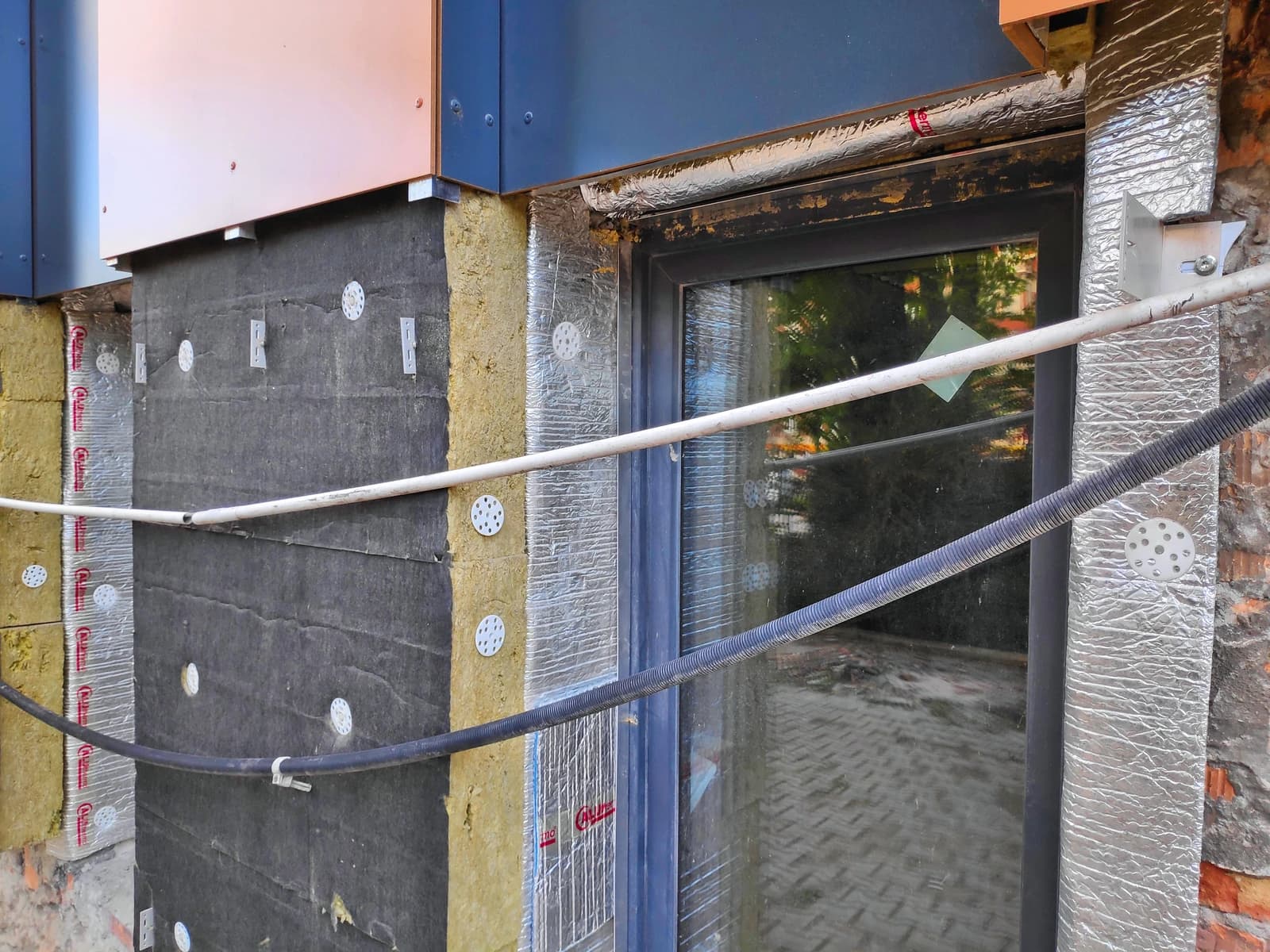
In practical terms, that means shutters, exterior blinds, air conditioning, efficient ventilation and recent insulation are moving to the top of the checklist, while a south-facing layout that once sold itself on winter light is no longer enough on its own. Homes that stay cool in heat waves are easier to sell, and properties without those features are increasingly viewed as liabilities rather than compromises.
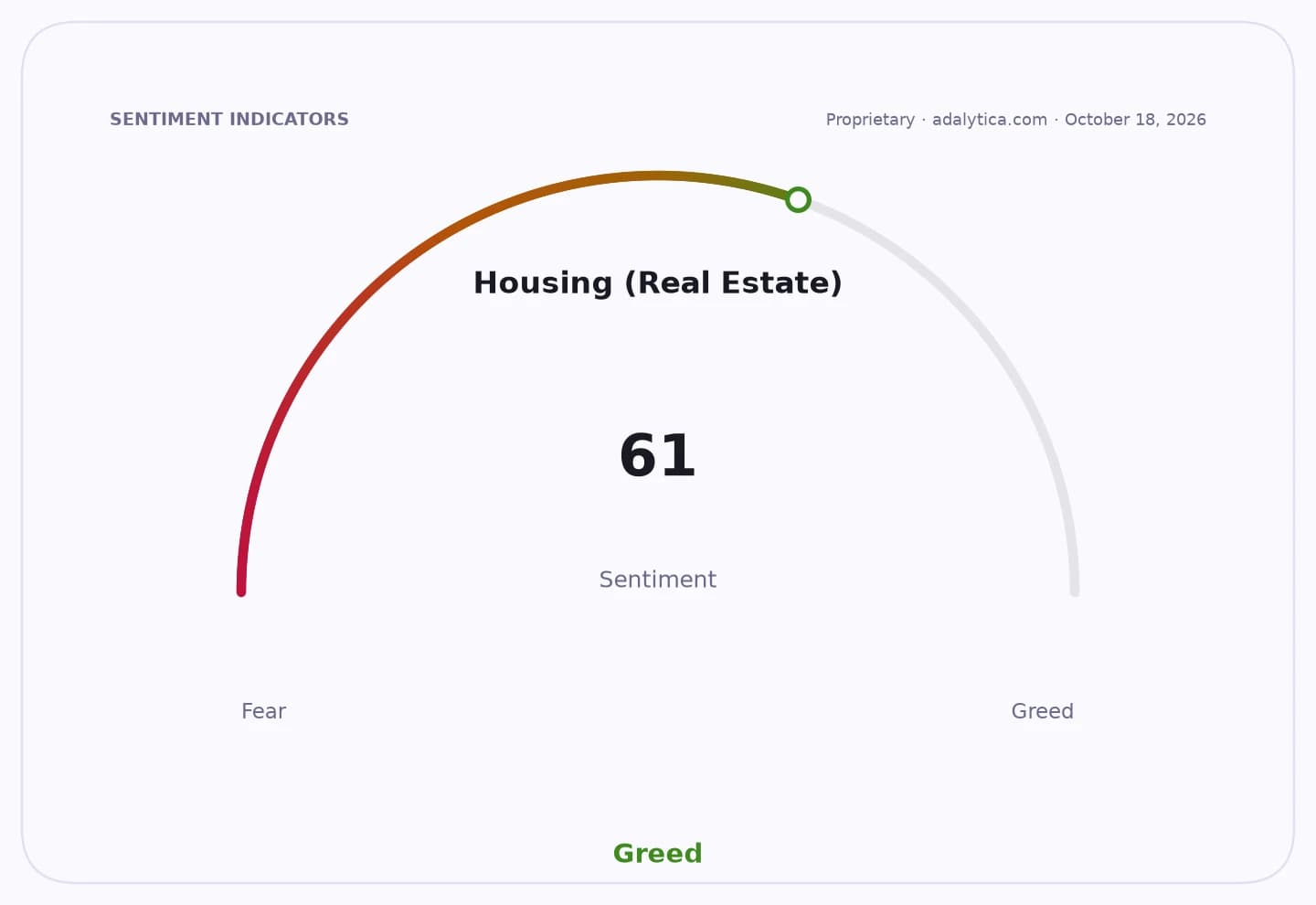
Sentiment IndicatorsⓘProprietary · adalytica.com · October 19, 2026
This is a snapshot — live sentiment, awareness and momentum for 130+ markets update continuously in the dashboard.Open AlphaPulse

The shift is most visible in how buyers treat energy labels. Many now check the DPE energy certificate before visiting a property, and some will not even consider homes rated below D. That matters because inefficient housing carries higher monthly bills, renovation costs and weaker resale prospects, while the least efficient units also face growing rental restrictions.
Outdoor space has also become a pricing factor rather than a bonus. A terrace, balcony, patio or small private garden can tip the balance against a larger flat with no exterior, especially after the lockdown period normalized the idea of spending more time at home.

The final filter is livability. Buyers are paying more attention to noise, natural light, traffic exposure, acoustic insulation and internet quality because the home now doubles as a workplace for many households. A living room large enough to carve out a desk area can be decisive.
The market backdrop supports that change. Adalytica’s Housing Fear & Greed Index shows sentiment at 61, still neutral, while awareness sits at an “extreme fear” reading of 4, suggesting buyers remain cautious even as the search for better-insulated, more comfortable homes intensifies. A separate housing-and-rent inflation gauge is also neutral at 57, underscoring that affordability remains a constraint even as quality standards rise.
That combination favors newer or recently renovated homes, and it raises the value of energy retrofits, climate control and outdoor amenities in the resale market. Sellers with inefficient, overheated or noisy properties may need to discount more aggressively, while builders, renovators and landlords with upgraded stock stand to benefit as 2026 buyers keep prioritizing comfort over square meters.
| Entity | Gains | Losses |
|---|---|---|
| Owners of well-insulated homes | ▲Faster sales, higher prices | ▼— |
| Buyers of older inefficient homes | ▲Better bargaining power | ▼Higher bills, retrofit costs |
| Builders and renovators | ▲Stronger demand for upgrades | ▼— |
| Landlords with “passoire thermique” units | ▲— | ▼Rental limits, weaker resale appeal |