West Africa’s fractured regional order is heading toward a pragmatic reset, with the Economic Community of West African States and the Sahel alliance signaling they will coexist, cooperate and eventually negotiate a new framework for trade and security.
ECOWAS and Sahel bloc seek trade, security framework
That matters because the break between the two blocs — after Mali, Burkina Faso and Niger quit Cedeao in January 2025 — threatened to disrupt supply chains, border commerce and security coordination across one of Africa’s most important transit corridors. A working arrangement would reduce friction for exporters, importers and logistics operators, while also limiting the risk that political rupture turns into a deeper economic split.
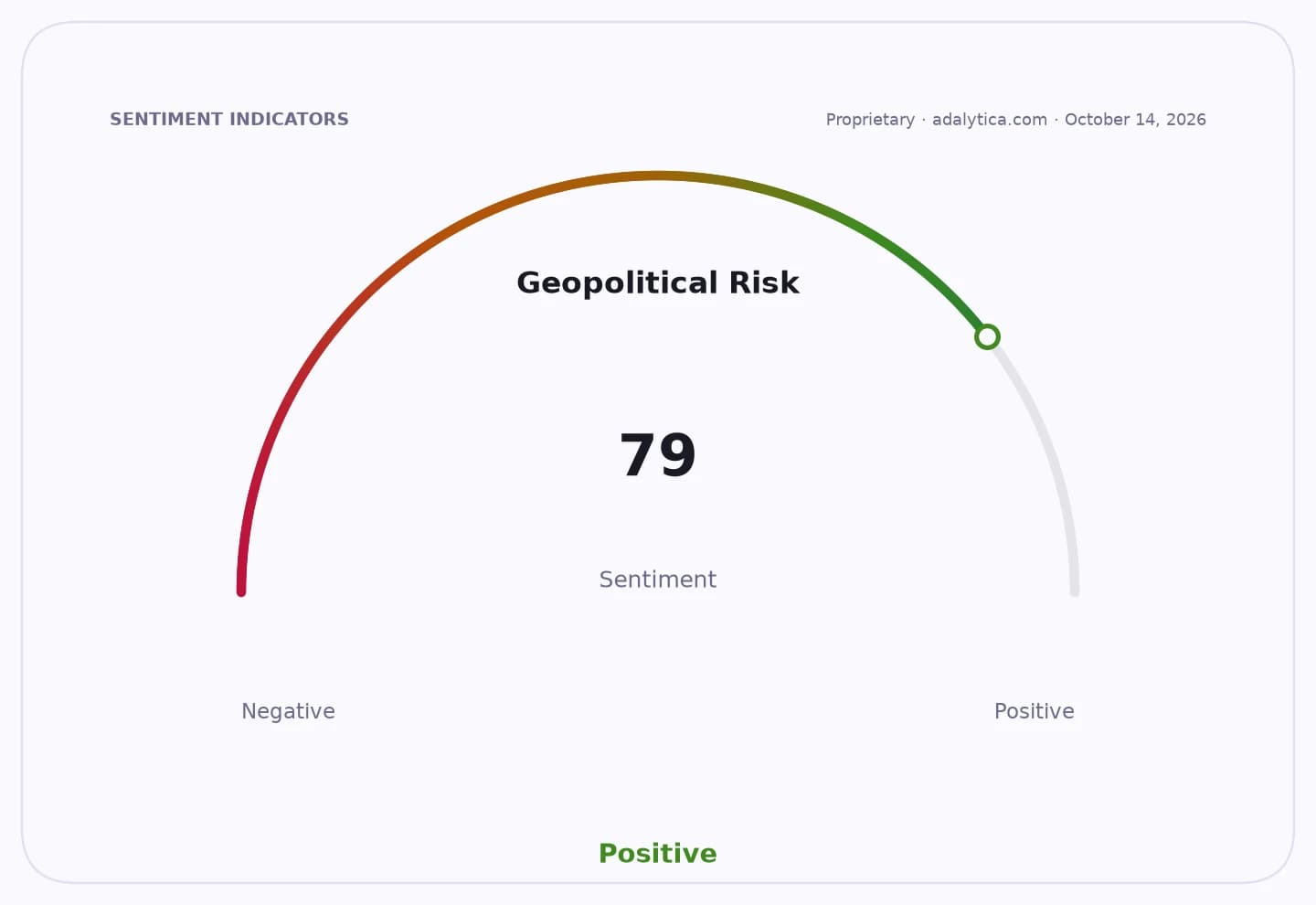
Sentiment Indicators
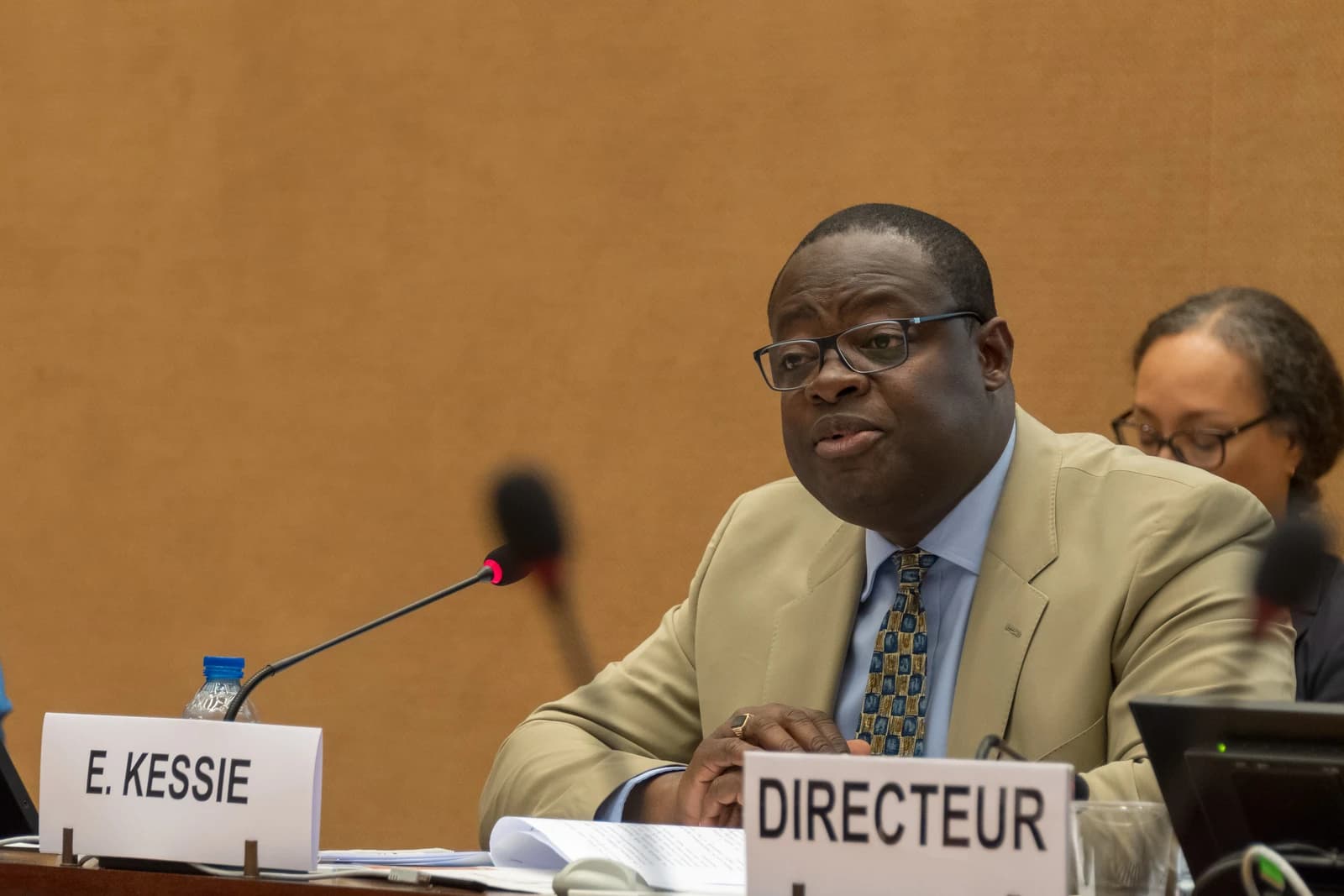
Birame Diop, president of the Cedeao commission, said in comments to the Kremlin-linked African Initiative on the sidelines of the Russia-Africa summit in Moscow that the two sides had no choice but to work together. He said consultations in Dakar marked a first step and that both organizations had agreed in principle to create joint working groups, though the concrete mechanism is still being negotiated.
The timing is important. The Sahel states had already said in September they wanted a new framework agreement with Cedeao, including on trade. That points to an opening for a de-escalation that could keep goods moving across borders even as the political split remains. For investors, the key question is not whether the blocs reunite soon — they probably will not — but whether the region can preserve a functional commercial architecture.
Togo is central to that thesis. Lomé has stayed close to the Sahel governments and has positioned itself as a mediator, while its port remains a crucial entry point for supplies heading into Burkina Faso, Niger and Mali. Any formalized cooperation would reinforce Togo’s role as a logistics hub and support regional transport and warehousing flows that depend on predictable customs and corridor access.
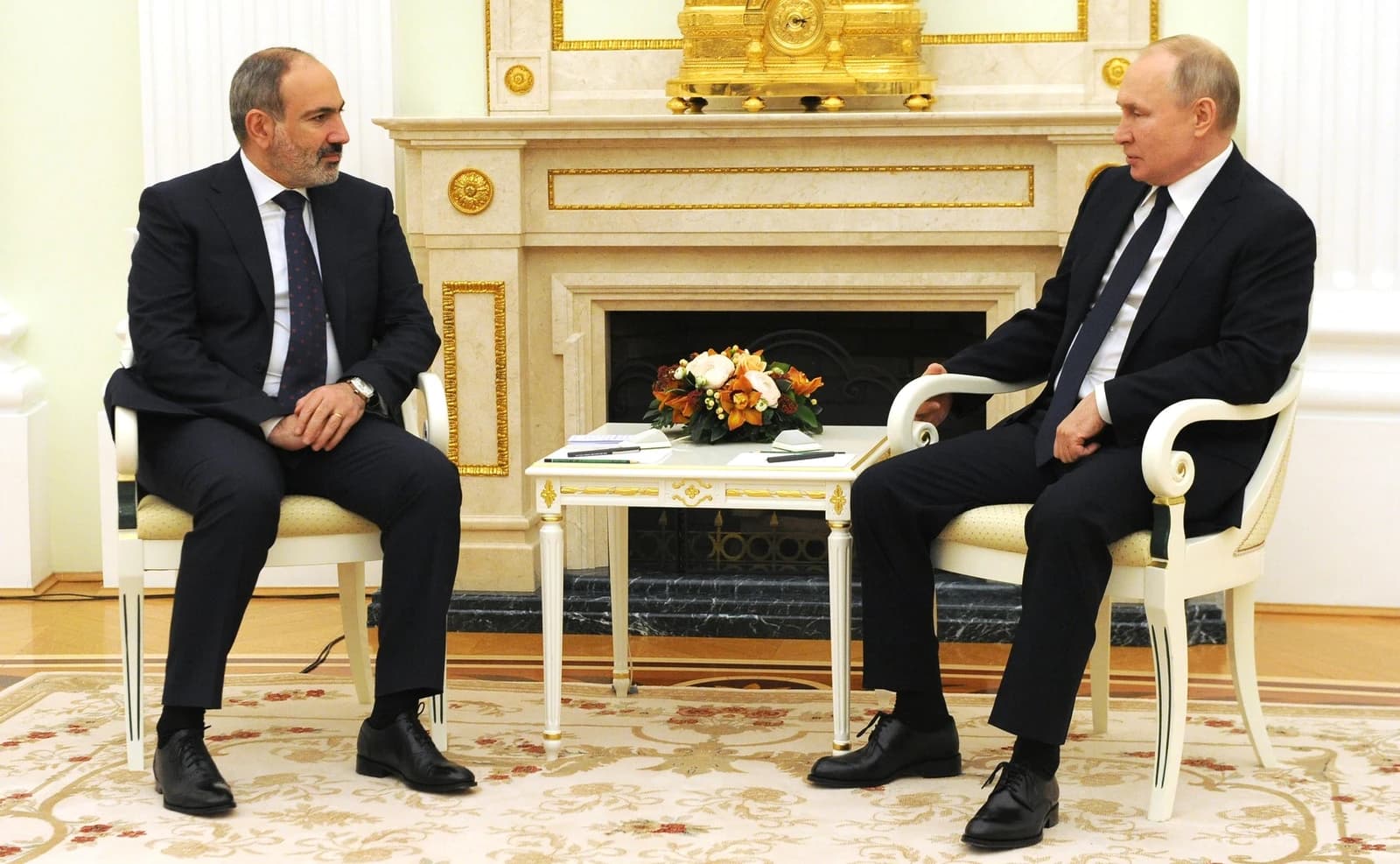
The diplomatic backdrop also matters. Diop chose to speak to a Russian outlet at a summit hosted by Vladimir Putin, underscoring how Moscow has become a major security partner for the Sahel juntas. That makes the emerging West African reconciliation more than a bureaucratic exercise: it is also a test of how regional institutions adapt to shifting geopolitical alignments without breaking commerce.
For markets, this is the kind of slow-burning development the broader region tends to underprice. A cooperative regime lowers the odds of disruption to trade routes, port activity and cross-border payments, while improving visibility for businesses exposed to West African consumer demand and infrastructure spending. The best setup now is not a dramatic political reunion, but a managed coexistence that keeps the economic plumbing intact.
Investors should watch for the first concrete signposts: working groups, customs coordination and a transitional trade accord. If those emerge, the beneficiaries will be the ports, transport operators and regional lenders tied to West African commerce — and the losers will be those betting on continued fragmentation.
| Entity | Gains | Losses |
|---|---|---|
| Togo/Lomé port | ▲Transit traffic, mediation role | ▼Little if trade normalizes slowly |
| West African shippers/logistics firms | ▲Smoother border flows | ▼Disruption premiums |
| Cedeao and AES governments | ▲Political breathing room | ▼Hard-line separatist agendas |
| Regional traders/importers | ▲Lower customs friction | ▼Arbitrage from border closures |