Geopolitics is now the main price-setting force in global trade, and that shift is becoming more visible to investors as tariffs, supply-chain realignment and energy costs reshape who wins and who pays.
Geopolitics Reshapes Global Trade and Investor Winners

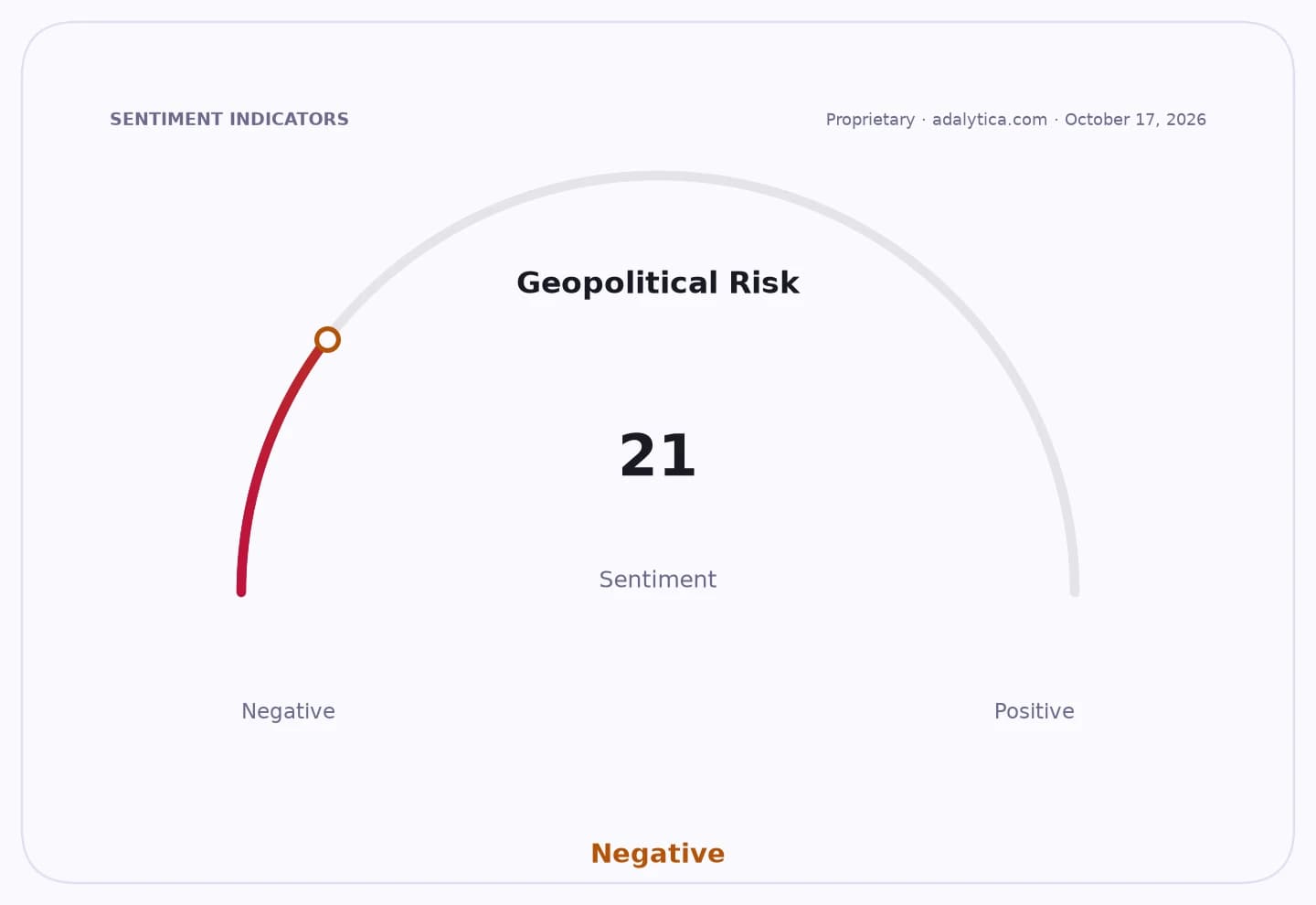
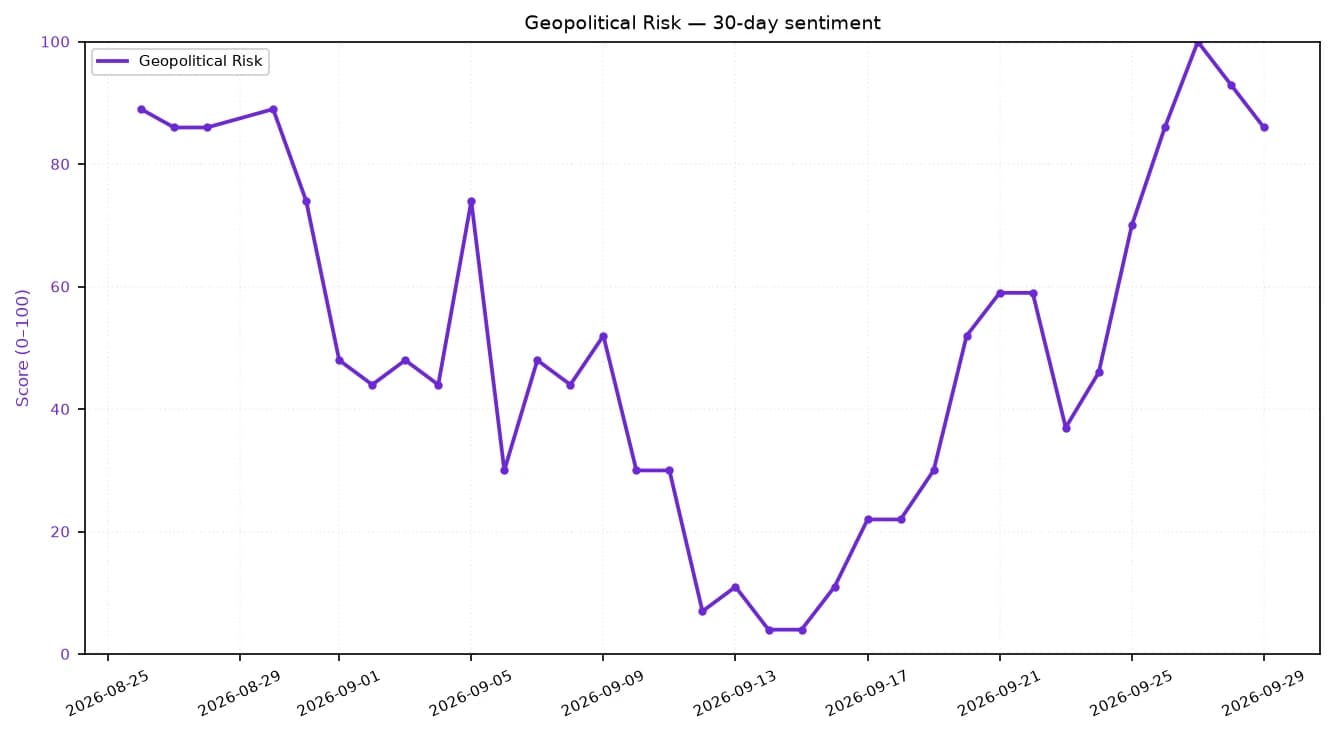
That is the core message behind the International Trade Forum, where the conversation has moved beyond volumes and logistics to the new balance of power between exporters, importers, governments and capital markets. The market is already pricing that shift in. U.S. 10-year Treasury yields are hovering around 5%, a level that keeps financing conditions tight, while the yield curve remains only modestly positive at about 0.37 percentage point, a sign that growth expectations are still fragile. At the same time, crude oil has climbed back above $104 a barrel, a reminder that geopolitical stress is feeding directly into inflation and transport costs.
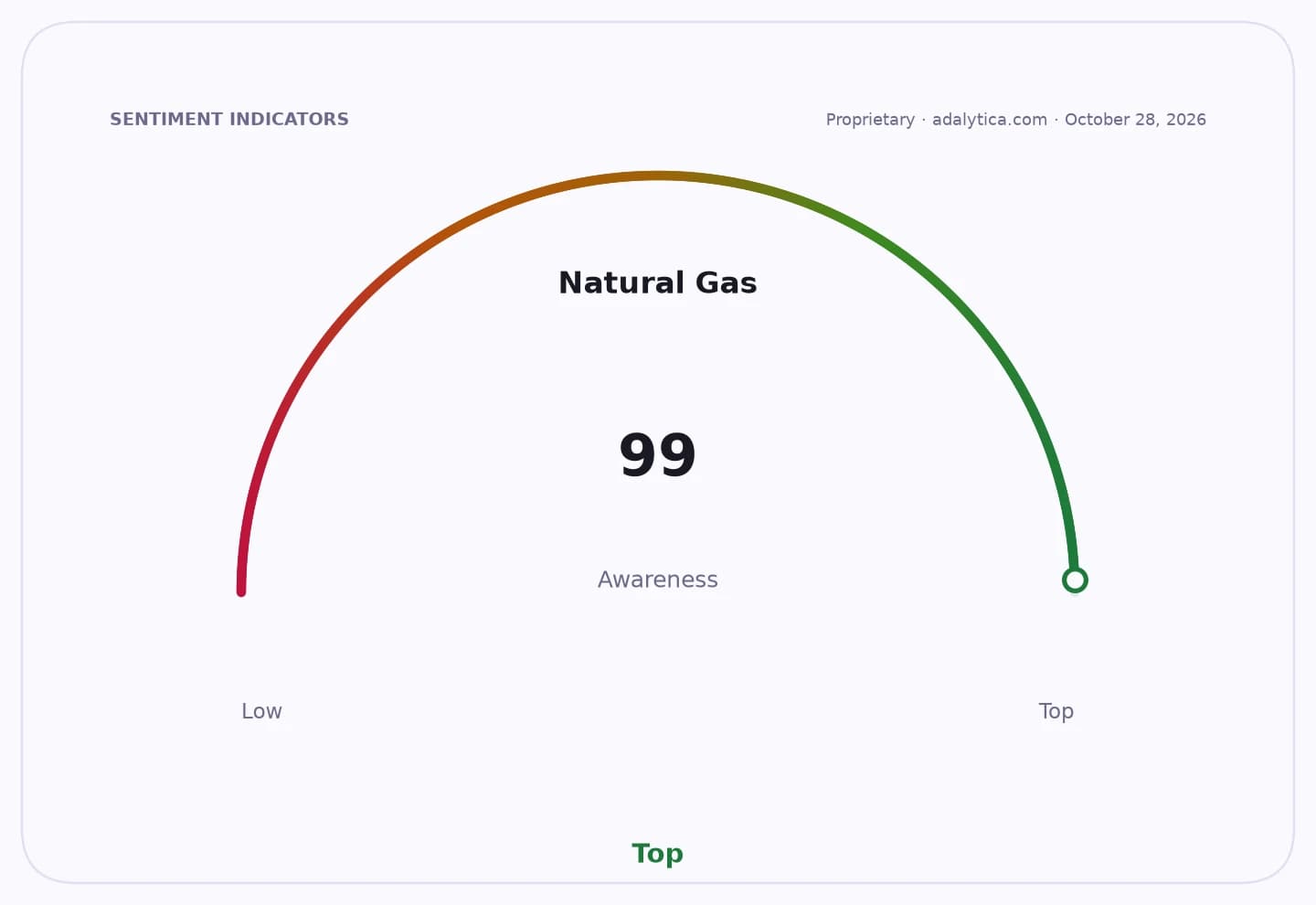
Sentiment Indicators
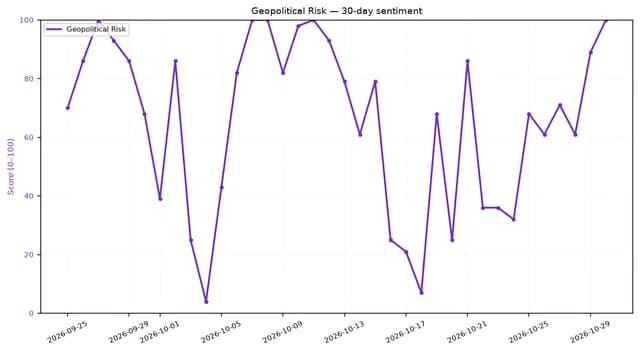
For investors, this is not just a policy theme. It is a capital-allocation regime change. Higher rates and volatile energy prices raise the cost of moving goods across borders, making resilience more valuable than pure efficiency. That favors companies with diversified sourcing, domestic infrastructure exposure, defense links and pricing power, while punishing businesses dependent on the old model of frictionless global trade.
The International Trade Forum’s focus on practical proposals from businesses, institutions and academia reflects the urgency of that transition. Trade is no longer being shaped only by comparative advantage; it is being reshaped by sanctions, industrial policy, strategic minerals, shipping rerouting and security concerns. The result is a world in which supply chains are shorter, more regional and more expensive — but also more investable for the right companies.
US Dollar
That is where the opportunity lies. Investors should look past the noise and position for the second-order beneficiaries of fragmentation: logistics networks, port operators, rail and air cargo, defense suppliers, energy producers and industrial firms tied to re-shoring and infrastructure buildout. The market underestimates how persistent this shift will be. As geopolitics keeps resetting trade relationships, the next winners are likely to be the businesses that sit on the new choke points of global commerce.
| Entity | Gains | Losses |
|---|---|---|
| Logistics and transport firms | ▲Higher routing demand | ▼Margin pressure from fuel costs |
| Energy producers | ▲Stronger oil pricing | ▼Import-heavy manufacturers |
| Defense and security suppliers | ▲More state spending | ▼Firms reliant on stable trade |
| Exporters with resilient supply chains | ▲Better market access | ▼Single-country sourcing models |