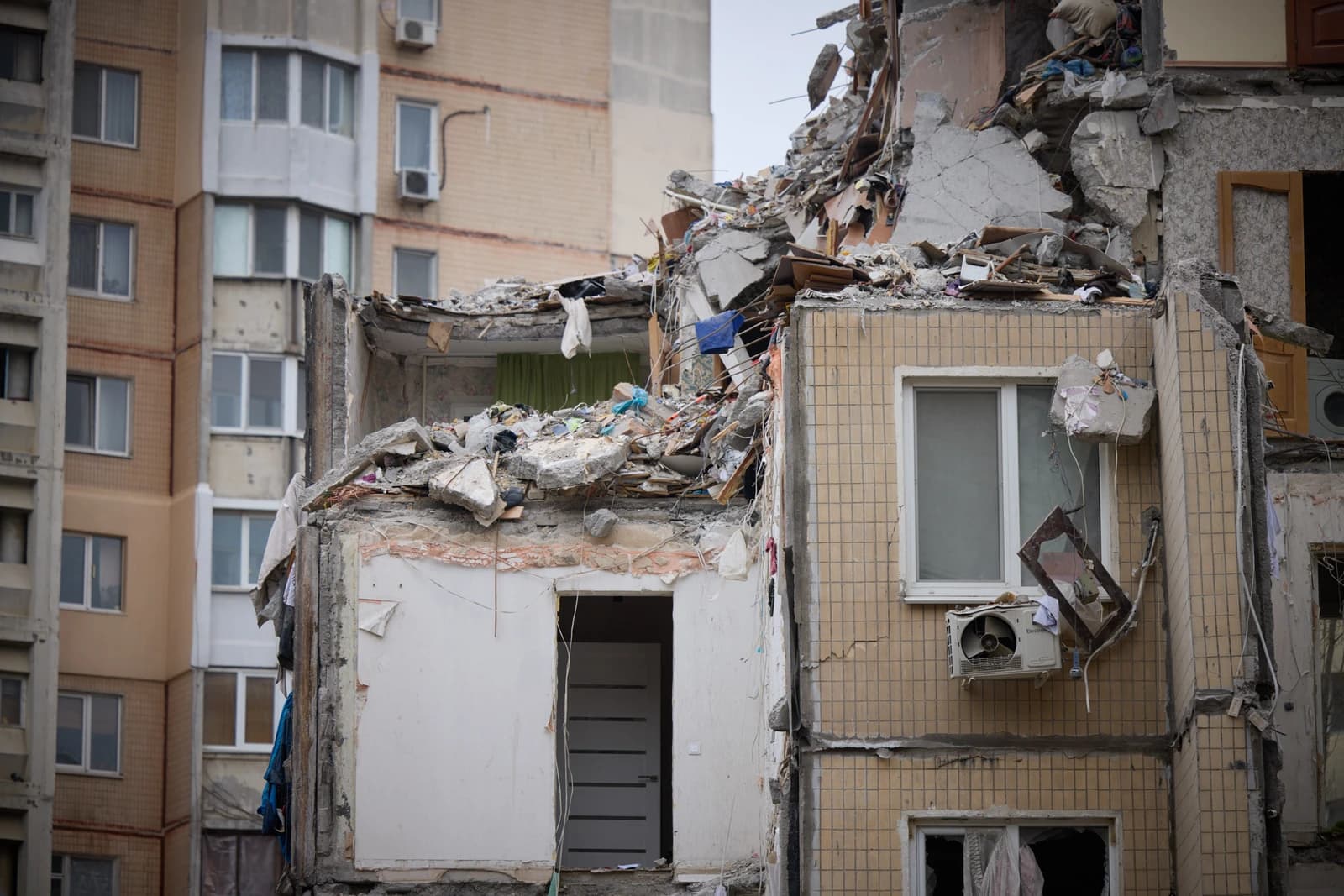
Governments in Japan, the U.K., the U.S. and Germany are telling households to keep emergency supplies on hand, a sign that civil-defense planning is becoming a bigger part of national security policy as wars, cyber risks and extreme weather raise the odds of everyday services being interrupted.
Japan U.K. U.S. and Germany Urge Emergency Supplies
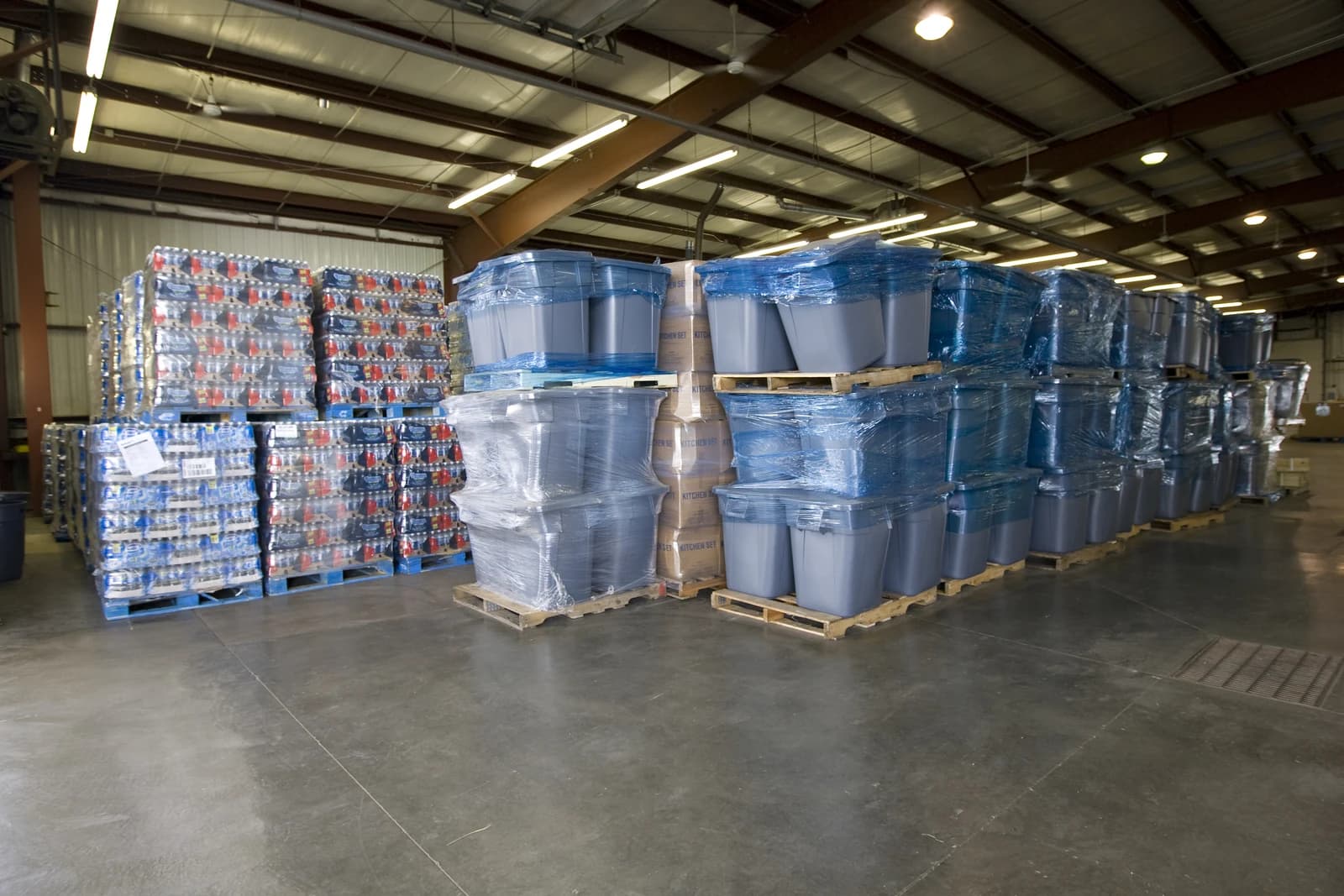
That matters economically because the message is not really about doom; it is about resilience. When officials ask families to be ready for 72 hours to 10 days without normal power, water, phones or deliveries, they are acknowledging a world in which shocks can propagate quickly through transport, utilities and supply chains. For investors, that has broad implications: defense contractors, critical infrastructure suppliers and emergency communications providers may benefit, while sectors dependent on smooth logistics and uninterrupted consumer spending become more exposed to disruption.
Sentiment Indicators
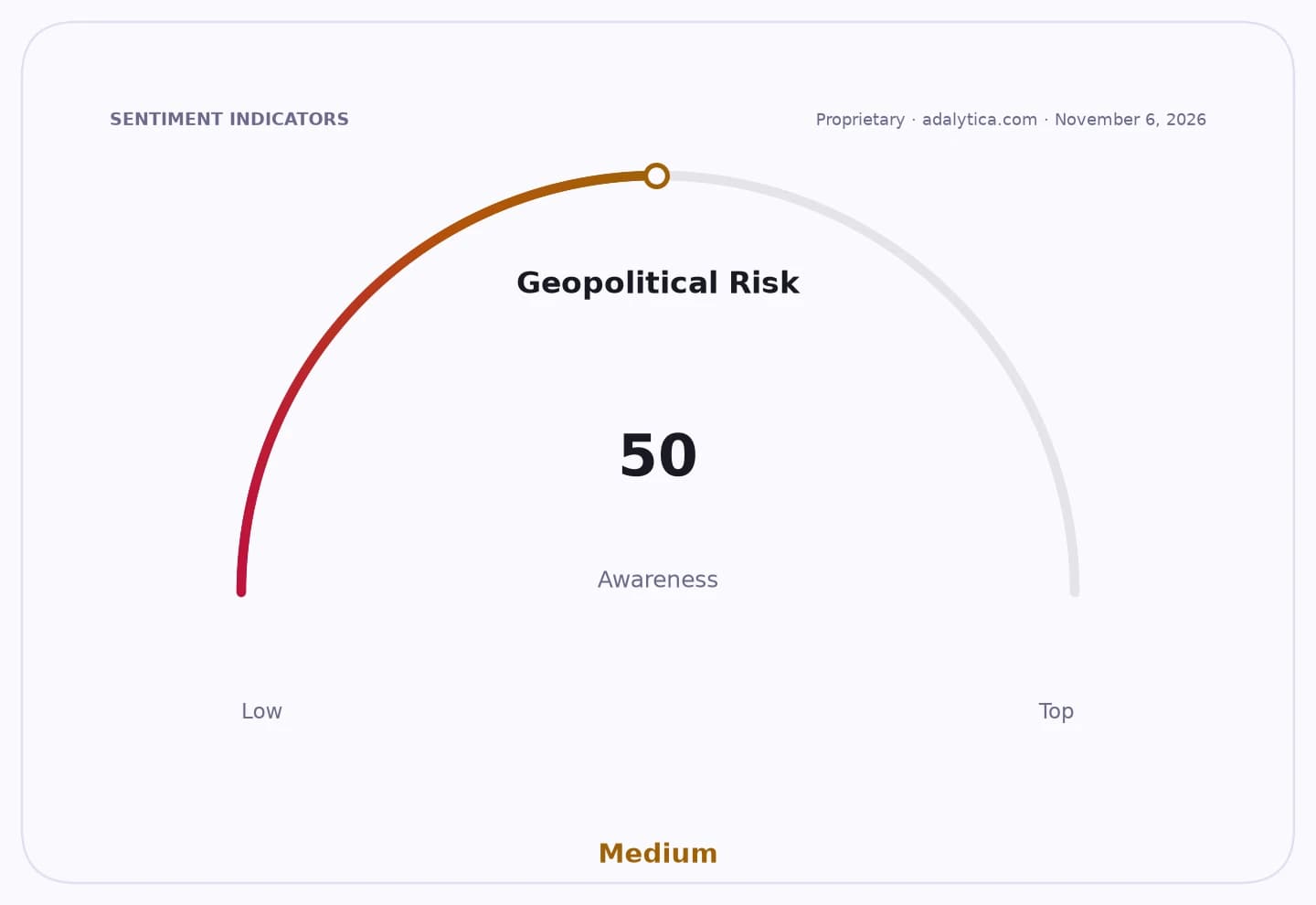
Geopolitical Risk
The clearest clue is that these warnings are not isolated. Britain has launched a three-year “be prepared” campaign urging households to plan for three days without electricity, water or internet. The U.S. Federal Emergency Management Agency continues to recommend three days of food and water, along with radios, flashlights and medical supplies. Germany’s civil protection agency says families should ideally keep enough for 10 days, though three days is a more realistic starting point. Japan, long accustomed to earthquakes, tsunamis and typhoons, recommends at least three days and ideally a week. The European Union, meanwhile, is pushing a broader readiness strategy aimed at giving citizens the ability to handle at least 72 hours of disruption.
The common thread is a hard lesson from recent years: governments cannot guarantee instant help in every crisis. Whether the trigger is a storm, a cyberattack, an infrastructure failure or armed conflict, the first hours of an emergency belong to households. That is why civil-defense rhetoric is shifting from abstract preparedness to practical shopping lists — bottled water, shelf-stable food, batteries, medications, radios and cash.
Geopolitical Risk — 30-day sentimentadalytica.com
Explore this data interactively — full history, time series and cross-market comparisons.
Geopolitical Risk
For investors, this is another reminder that resilience is becoming a long-duration theme. Defense names such as Lockheed Martin, Northrop Grumman and General Dynamics sit closer to the center of that trade than many consumer staples investors may realize, because heightened security concerns tend to support public spending on protection, communications and logistics. The recent strength in those stocks reflects that backdrop, even if they have pulled back from recent highs. Lockheed Martin, for example, remains well above its 200-day moving average despite recent volatility, while Northrop Grumman and General Dynamics have also held up better than the broader market in a year when geopolitical risk has stayed elevated.
At the same time, this is not a simple “buy defense and forget it” story. The bigger opportunity may be in the unglamorous companies that make society harder to break: utilities, grid equipment makers, satellite and communications providers, supply-chain software firms and companies that can keep working when conditions get messy. If governments are preparing citizens to live through short interruptions, investors should be thinking about which businesses can keep generating cash when the world gets less orderly.
The takeaway is straightforward: these advisories are a symptom of a more fragile global environment, not a prediction of a single event. For long-term investors, that argues for diversification, quality and patience. Keep the companies that sell resilience on your watchlist, but focus on businesses with durable moats, strong free cash flow and the ability to compound through the next shock, not just the current one.
| Entity | Gains | Losses |
|---|---|---|
| Defense contractors | ▲More security spending | ▼Budget uncertainty |
| Households | ▲Better emergency readiness | ▼Higher prep costs |
| Utilities and infrastructure providers | ▲Demand for resilience upgrades | ▼Scrutiny over outages |
| Consumer-facing firms reliant on logistics | ▲More awareness of risk | ▼Disruption to sales and supply chains |