The biggest message from ADIPEC 2026 is that the next phase of the global energy boom will be won or lost on supply chains, not just drilling and demand. With oil still near $98 a barrel in the latest forecast and Europe again dealing with gas stress ahead of winter, ministers and executives in Abu Dhabi argued that the world now needs more resilient logistics, storage and manufacturing capacity to keep energy flowing when geopolitics turns hostile.
ADIPEC 2026 Focuses on Energy Supply Chains
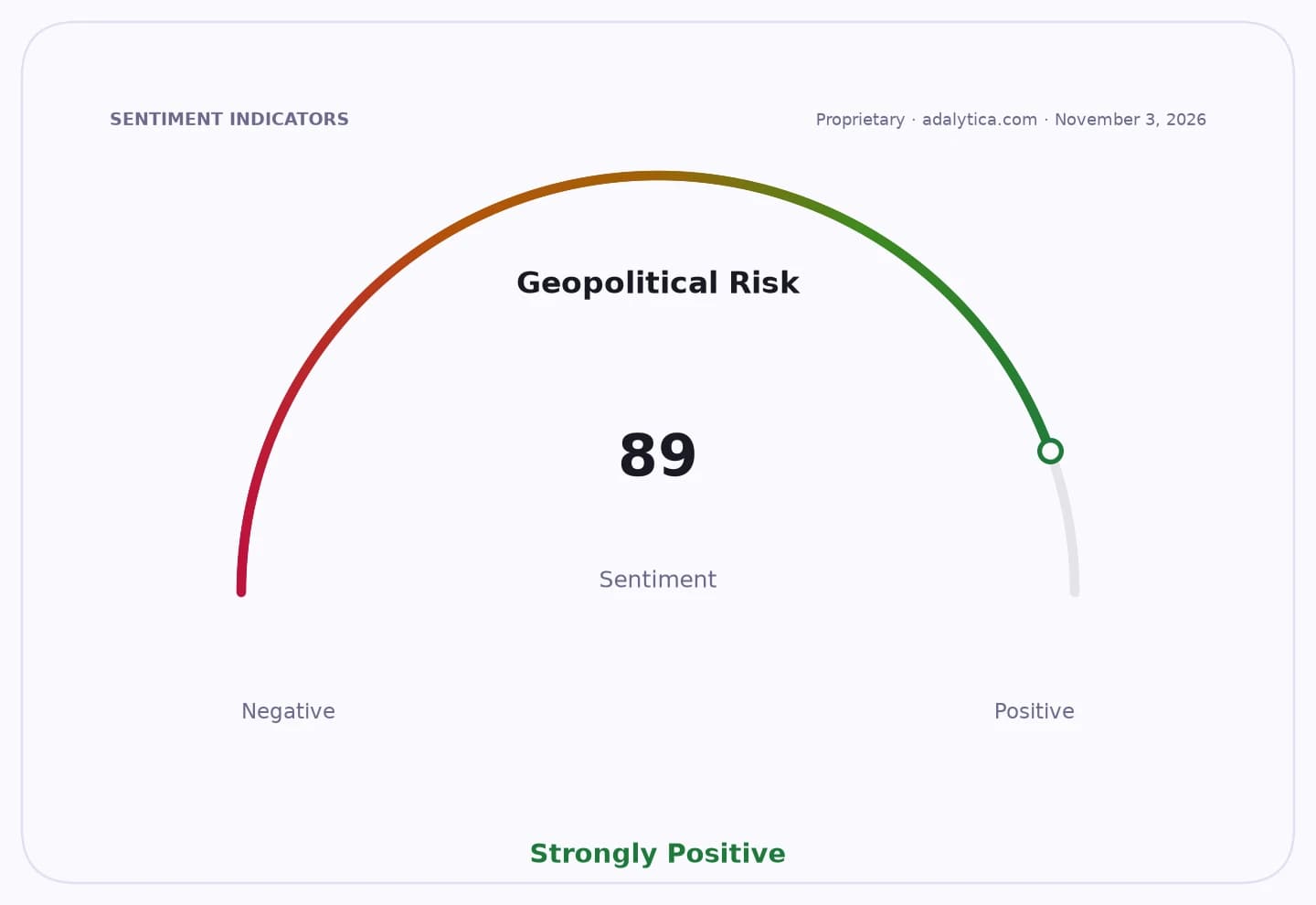
Geopolitical Risk
That matters because energy security is no longer an abstract policy slogan. It is becoming the operating constraint on growth, inflation and industrial planning. If supply chains break, projects slow, prices jump and the cost of capital rises for everyone from utilities to refiners to industrial users. The conversations at ADIPEC point to a market that has learned the hard way that spare capacity in the wrong place is not the same as resilience.
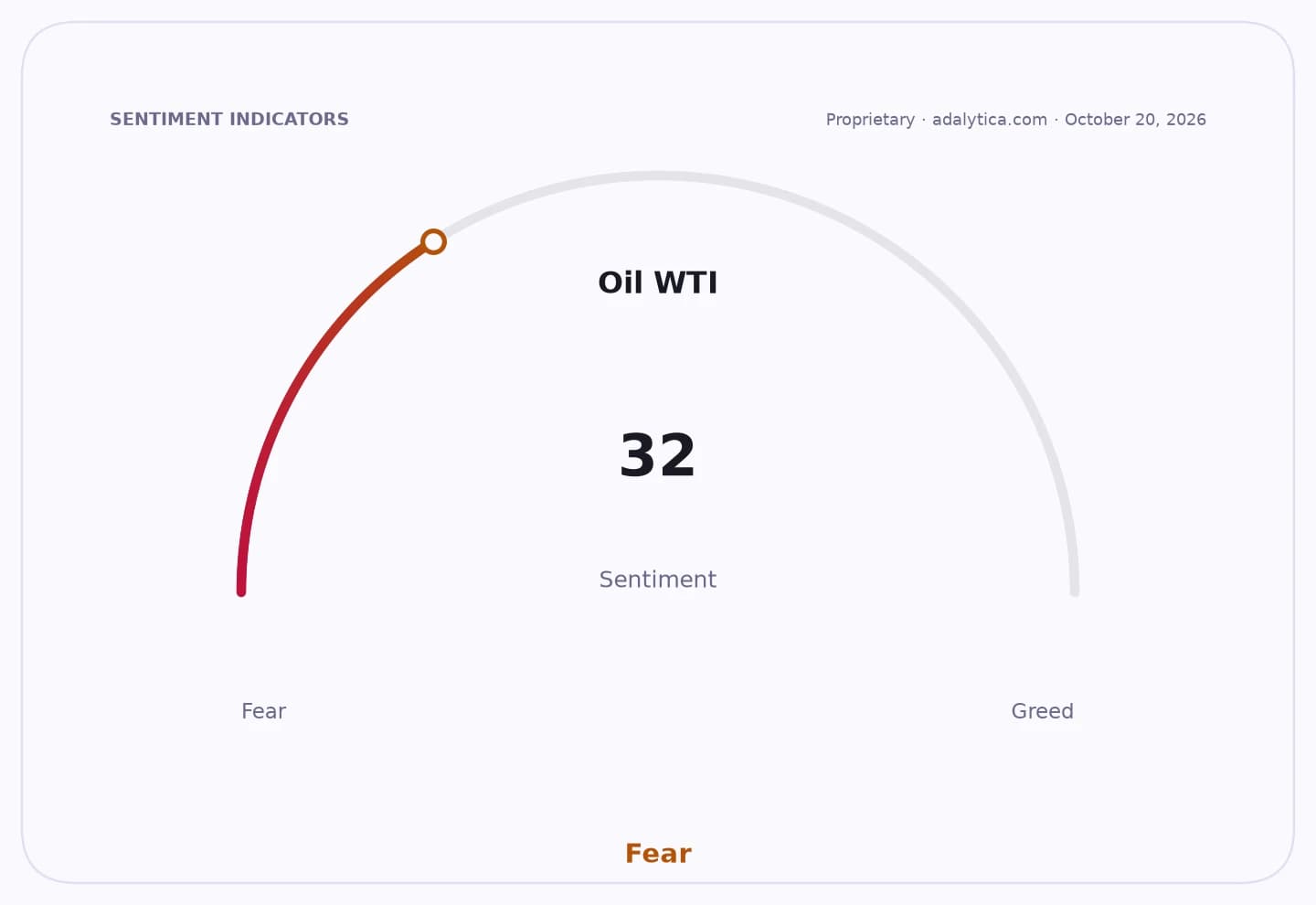
Sentiment Indicators
Egypt’s petroleum minister, Karim Badawi, captured the mood when he said no single country or company can unlock the world’s energy needs alone. Siemens Energy chief Christian Bruch went further, saying the region would be the first to build the resilient energy systems of the future, with local manufacturing, strategic storage and flexible global sourcing all needed to handle disruptions. Baker Hughes chairman and chief executive Lorenzo Simonelli said companies must think in terms of secondary, tertiary and even fourth sources of supply to avoid single choke points.
For investors, that is a useful clue about where long-term value may accumulate. The winners are likely to be the companies that make energy systems work, not just the producers that extract barrels. Think electrical equipment makers, grid and automation specialists, industrial software providers, compressors, turbines, pipeline operators and logistics firms with real pricing power. Schneider Electric’s Olivier Blum said utilities must increase generation while using power more efficiently, which is exactly the kind of durable, multi-year spending theme that tends to support earnings visibility and free cash flow.
Geopolitical Risk vs XLEadalytica.com
Explore this data interactively — full history, time series and cross-market comparisons.
The macro backdrop helps explain why this message is getting louder. Brent and U.S. crude remain elevated enough to keep producers disciplined, while Europe’s gas market has again shown how quickly supply anxiety can flare when reserves are low and tensions rise. The latest data also show credit and rates are still not easy: the U.S. 10-year yield is near 4.9%, which means capital-intensive energy projects must earn their keep. In that environment, firms that shorten delivery times, improve reliability and reduce wasted power can become essential rather than optional.
There is also a quieter but important technology story here. AI is adding a fresh layer of power demand, and that means the grid, storage and industrial backbone have to catch up. AVEVA chief executive Caspar Herzberg said AI infrastructure is being deployed much faster than other resources, but framed the issue as coordination rather than speed alone. That is a reminder that energy investing is no longer just about hydrocarbons; it is about the digital and physical systems that let modern economies scale.
For long-term investors, the takeaway is straightforward. Geopolitical disruption is pushing the energy industry toward a more fragmented but also more investable model, where resilience itself becomes a competitive advantage. The best-positioned businesses are those that can serve multiple fuel types, multiple regions and multiple layers of the supply chain. That is the kind of secular shift worth watching — and, for patient investors, worth building around over the next 3 to 10 years.
| Entity | Gains | Losses |
|---|---|---|
| Grid and automation suppliers | ▲More project spending | ▼Lower capital discipline on buyers |
| Energy producers | ▲Higher strategic pricing power | ▼Greater logistics complexity |
| Utilities and industrial users | ▲Better reliability over time | ▼Higher near-term investment costs |
| Geopolitical shock-prone importers | ▲Diversified sourcing options | ▼Single-route dependency |