Europe’s push for households to keep 72 hours of emergency supplies is a reminder that preparedness is becoming a policy issue, not just a personal one, and that matters for retailers, grocery chains and investors thinking about where demand is headed next.
Europe emergency supplies push lifts retailers
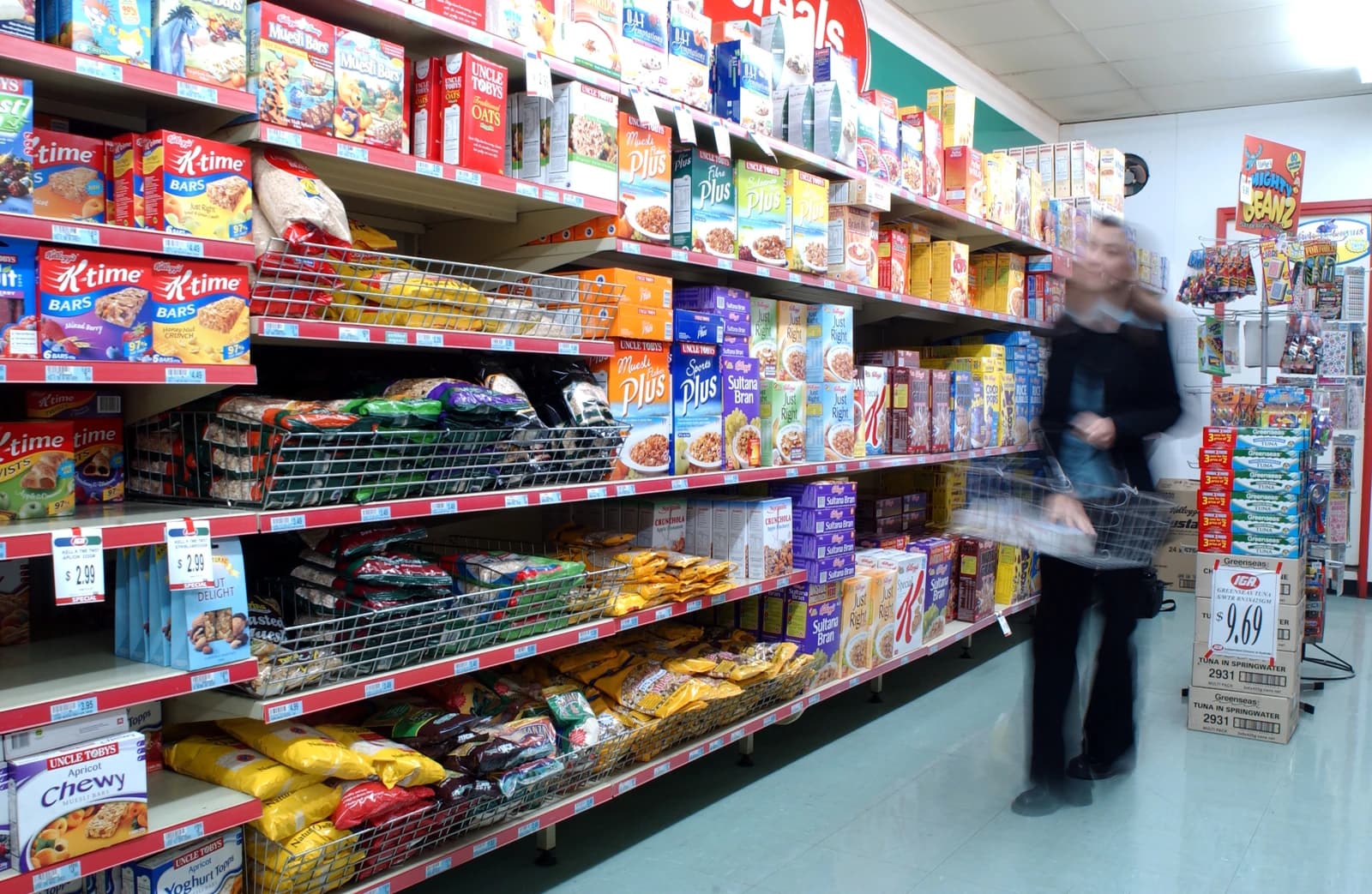
The European Commission’s new guidance, which urges citizens to assemble emergency backpacks with food, water and other essentials for at least three days, reflects a broader shift in how governments are framing disaster readiness. Officials are not sounding an immediate catastrophe alarm, but they are clearly telling households to be more self-sufficient at the start of a crisis. That is economically important because preparedness spending tends to favor staples, packaged foods, water, batteries and other necessities — the kind of low-margin, high-volume goods that big-box and grocery chains move every day.
For investors, the story is less about panic buying than about a durable change in consumer behavior. Retailers with scale and logistics strength are best placed to capture any lift in emergency-related demand, especially if governments keep reinforcing resilience messages in schools, workplaces and public campaigns. Costco Wholesale, Walmart and Kroger all sit close to that demand stream. Costco, in particular, has shown how quickly investors will reward a company that can turn household stock-up behavior into sales momentum: its shares have climbed to $1,065.59, up from $869.28 on Dec. 10, while the stock’s 50-day moving average has risen and the 14-day relative strength index sits near 70, a sign of strong but potentially extended momentum. Walmart and Kroger have also seen shares rebound sharply this year, helped by their role as defensive retail anchors when consumers look for value and essentials.
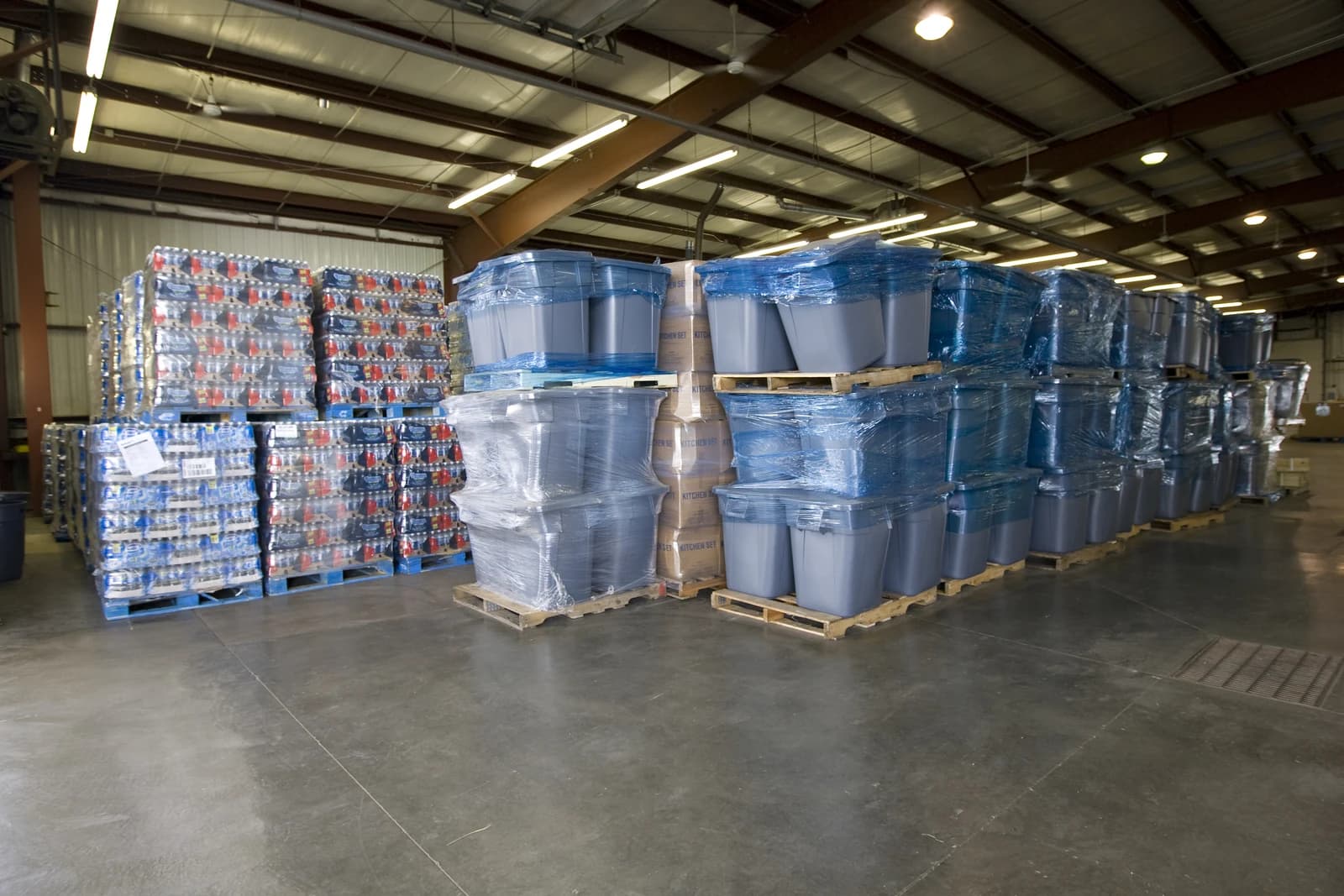
The key investor takeaway is that resilience spending is becoming part of the retail landscape alongside inflation, tariffs and supply-chain risk. Costco’s own filing warns that poor demand forecasting can leave it with too much inventory or not enough stock, both of which can hurt margins. That is exactly why preparedness campaigns matter: they can create bursts of demand for essentials, but they also test how well retailers manage inventory, imports and distribution at a time when governments are asking citizens to buy ahead of trouble.
Long term, this is another reason investors should favor retailers with pricing power, tight supply chains and enough scale to absorb shocks. Emergency-preparedness campaigns are not a one-quarter trade; they are a sign that households and governments are thinking more about resilience, and that should keep staples and grocery leaders on watchlists for years, not days.
| Entity | Gains | Losses |
|---|---|---|
| Costco | ▲Stock-up demand for essentials | ▼Inventory and supply missteps |
| Walmart | ▲Traffic in staples and household goods | ▼Smaller retailers with weaker scale |
| Kroger | ▲Grocery sales from preparedness buying | ▼Consumers shopping less predictably |
| Households | ▲Greater emergency readiness | ▼Higher upfront spending |