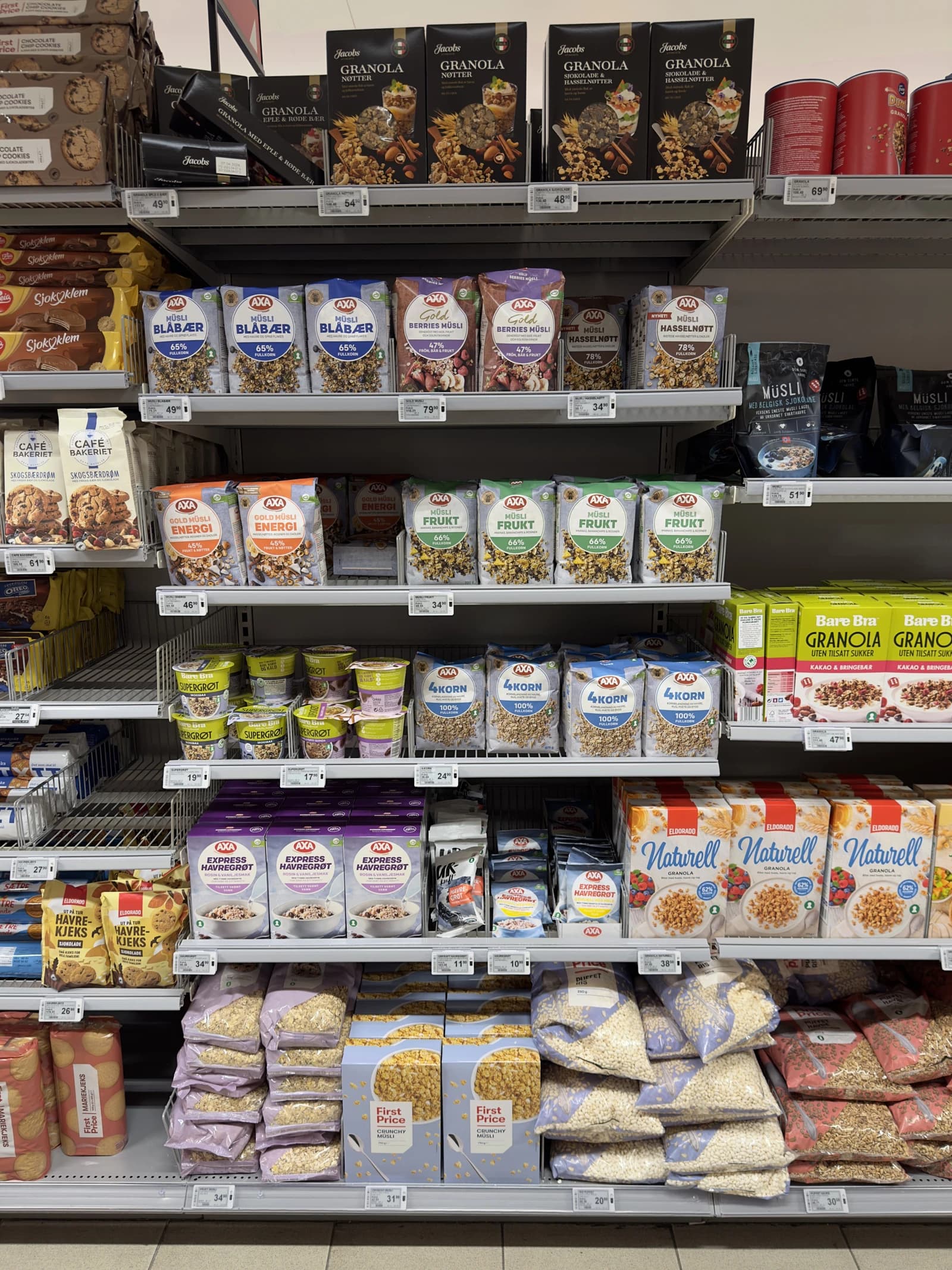
Washington households are spending more on groceries than most Americans, a sign that food costs remain a heavy burden even as consumer confidence stabilizes and retail appetite stays firm in some segments.
Washington Grocery Spending Stays Elevated
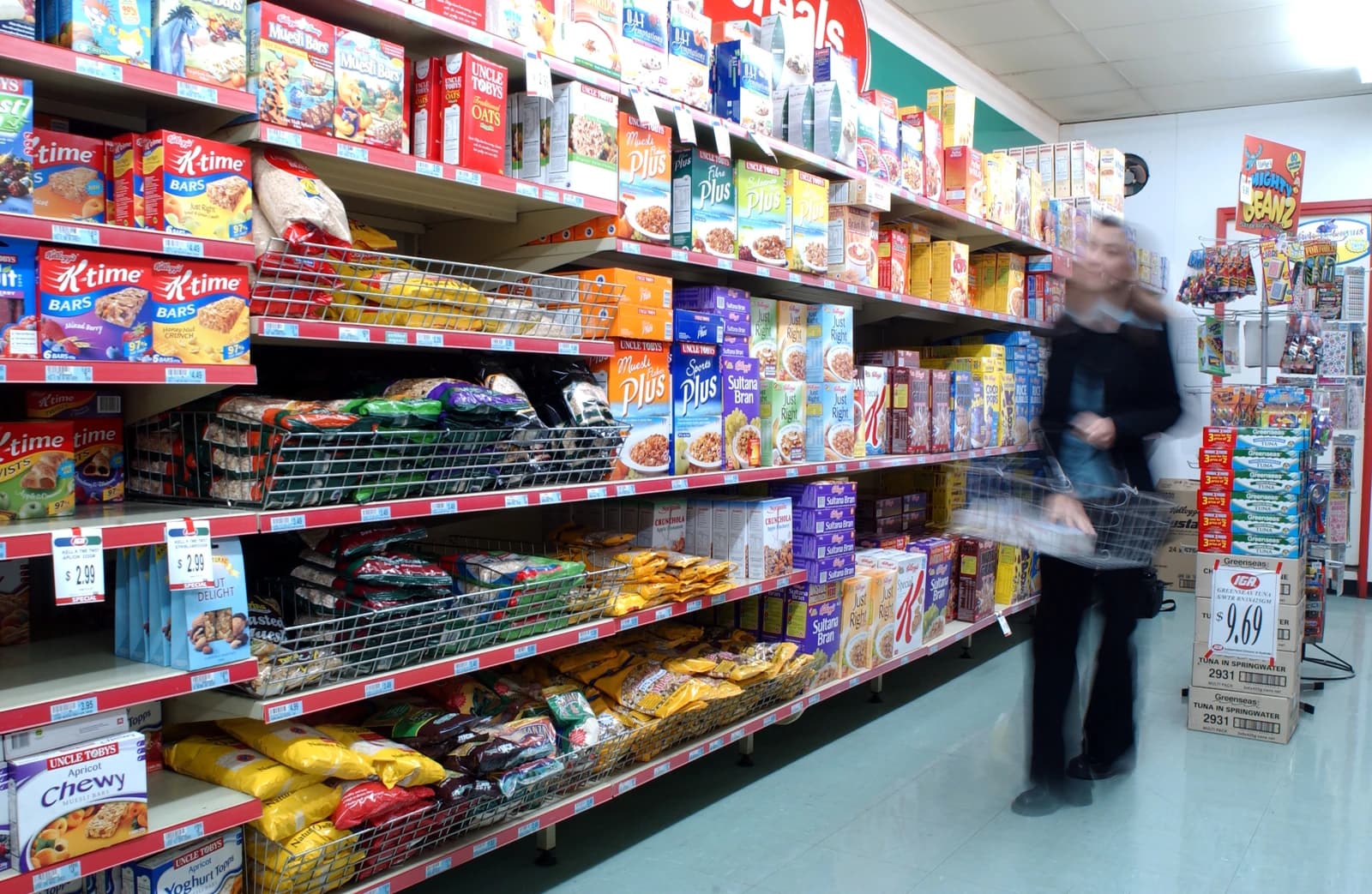
The new ranking matters because groceries are among the most non-discretionary items in the household budget: when spending is elevated, it usually reflects either higher prices, larger basket sizes or both. In Washington, where living costs are already among the highest in the U.S., elevated grocery spending points to continued pressure on real disposable income and leaves less room for spending on discretionary categories such as apparel, dining out and entertainment.
Sentiment Indicators
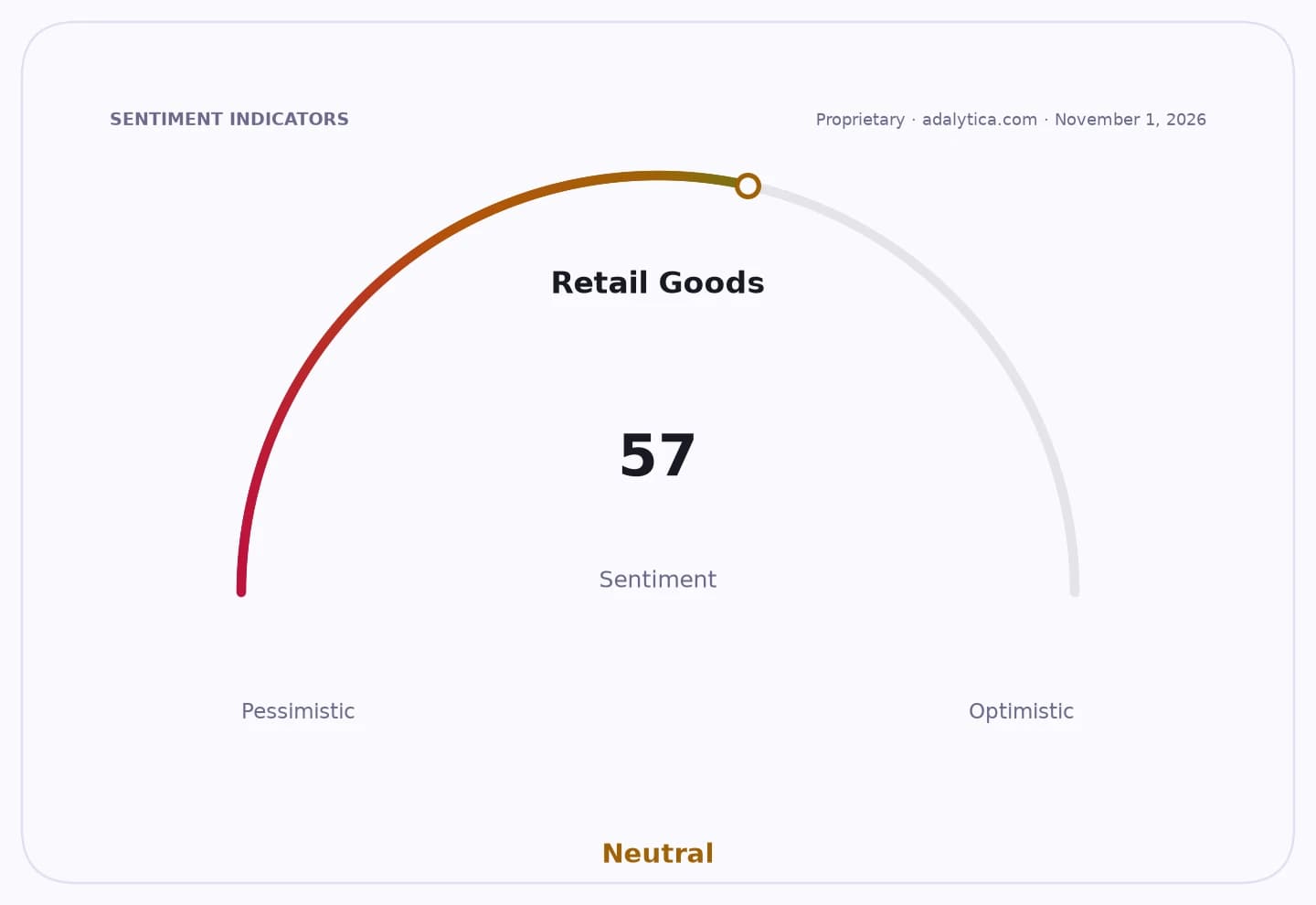
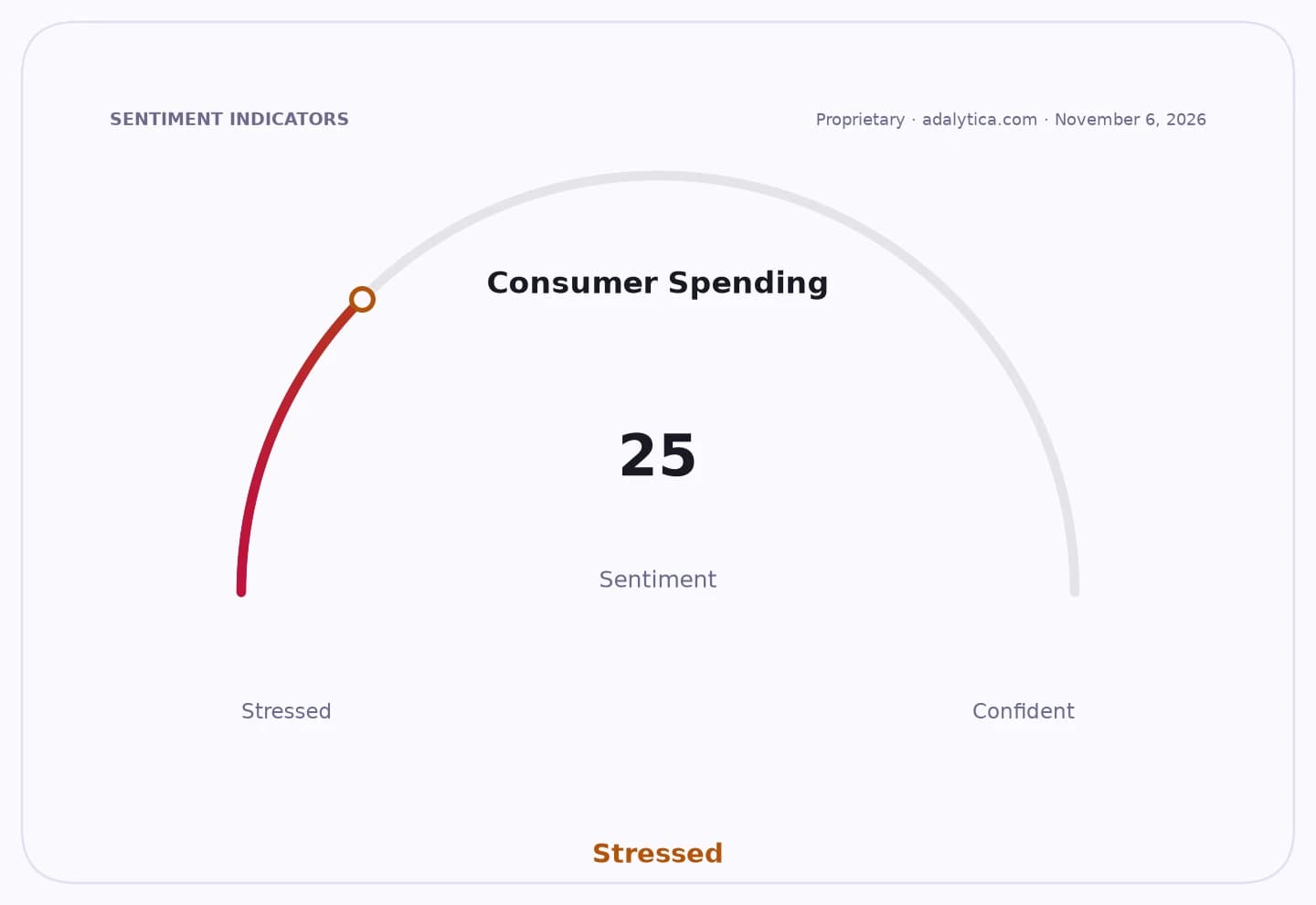
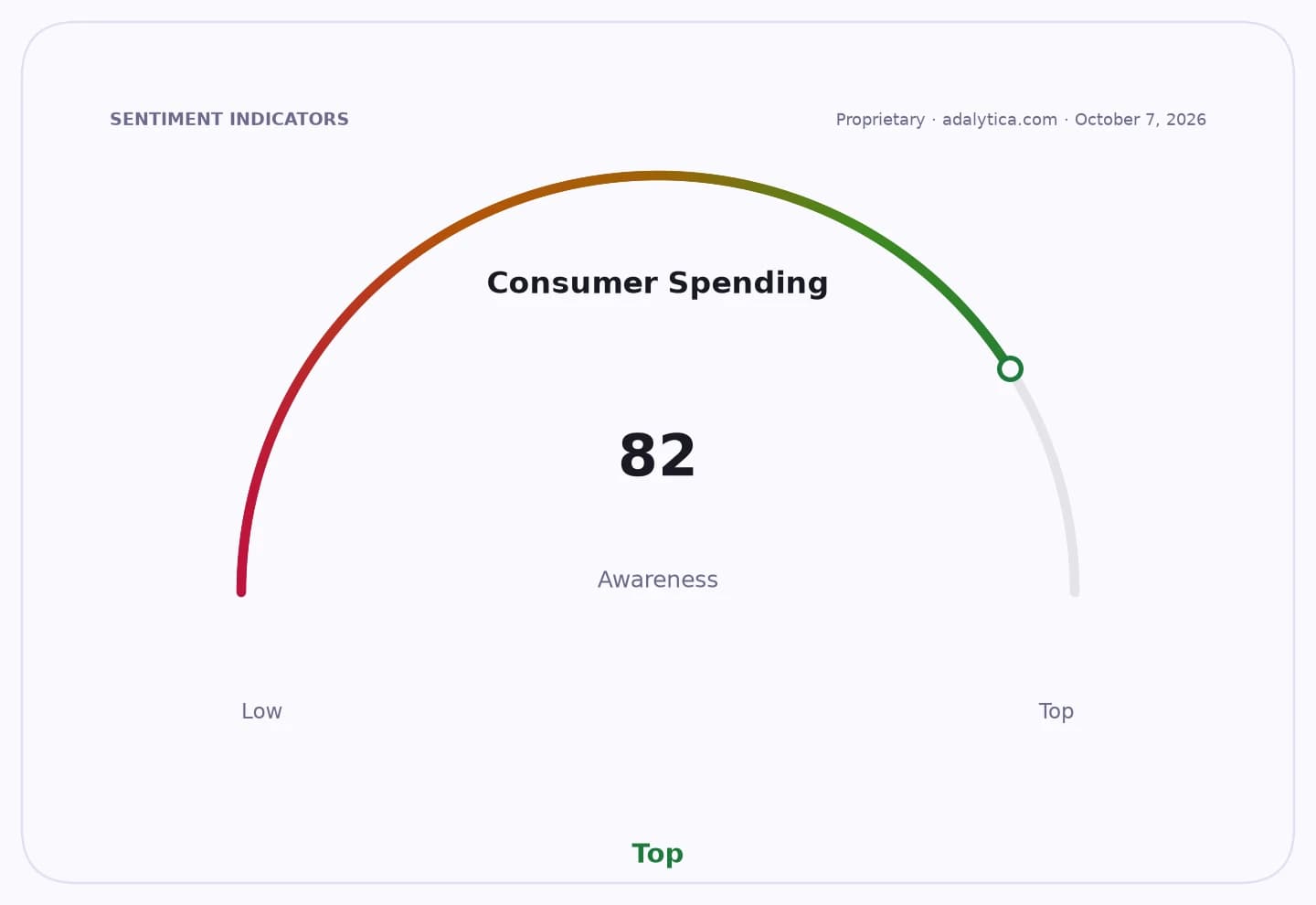
That backdrop helps explain the split in consumer signals. Adalytica’s consumer spending gauge is neutral at 43, down 25 points in a day and 57 points over the past week, suggesting a softer near-term tone in broader household spending. By contrast, retail goods spending sentiment sits at 89, or “extreme greed,” with awareness at 96, indicating that demand for goods remains strong even as consumers remain cautious elsewhere. Consumer confidence tied to recession fears is at 50, neutral, with awareness in fear territory at 25, underscoring how households can still spend on essentials while remaining uneasy about the macro outlook.
For retailers, the message is mixed. Grocery chains and food suppliers benefit from a larger spending pool, but they also face a more price-sensitive customer base that may trade down to private label, cut unit volumes or shift to promotions. Larger grocers and warehouse clubs are better placed to absorb that behavior than smaller independent operators, which have less pricing power and thinner margins. Higher grocery bills also reinforce the case for value-oriented merchandising and disciplined inventory management heading into the holiday period.
For investors, the ranking is another reminder that the consumer story is increasingly bifurcated. Strong spending in retail goods can support revenue for big-box chains and e-commerce platforms, while persistent food inflation can squeeze margins, pressure low-income households and slow broader consumption growth. The key question is whether grocery spending stays elevated because of resilient demand or simply because prices remain sticky. If inflation cools, the nominal numbers may ease; if it does not, Washington shoppers could remain under pressure well into next year.
| Entity | Gains | Losses |
|---|---|---|
| Grocers | ▲Higher basket values | ▼Price-sensitive shoppers |
| Private-label brands | ▲Trading-down demand | ▼Premium brands |
| Washington consumers | ▲Access to essentials | ▼Real purchasing power |
| Big-box retailers | ▲Share gains from value seekers | ▼Small independents |