ICA stores in Sweden have been forced to throw away food worth hundreds of thousands of kronor after a suspected cyberattack knocked out refrigeration systems on Monday, a reminder that retailers’ digital infrastructure has become a direct operating risk, not just an IT problem.
ICA stores in Sweden lose food after cyberattack
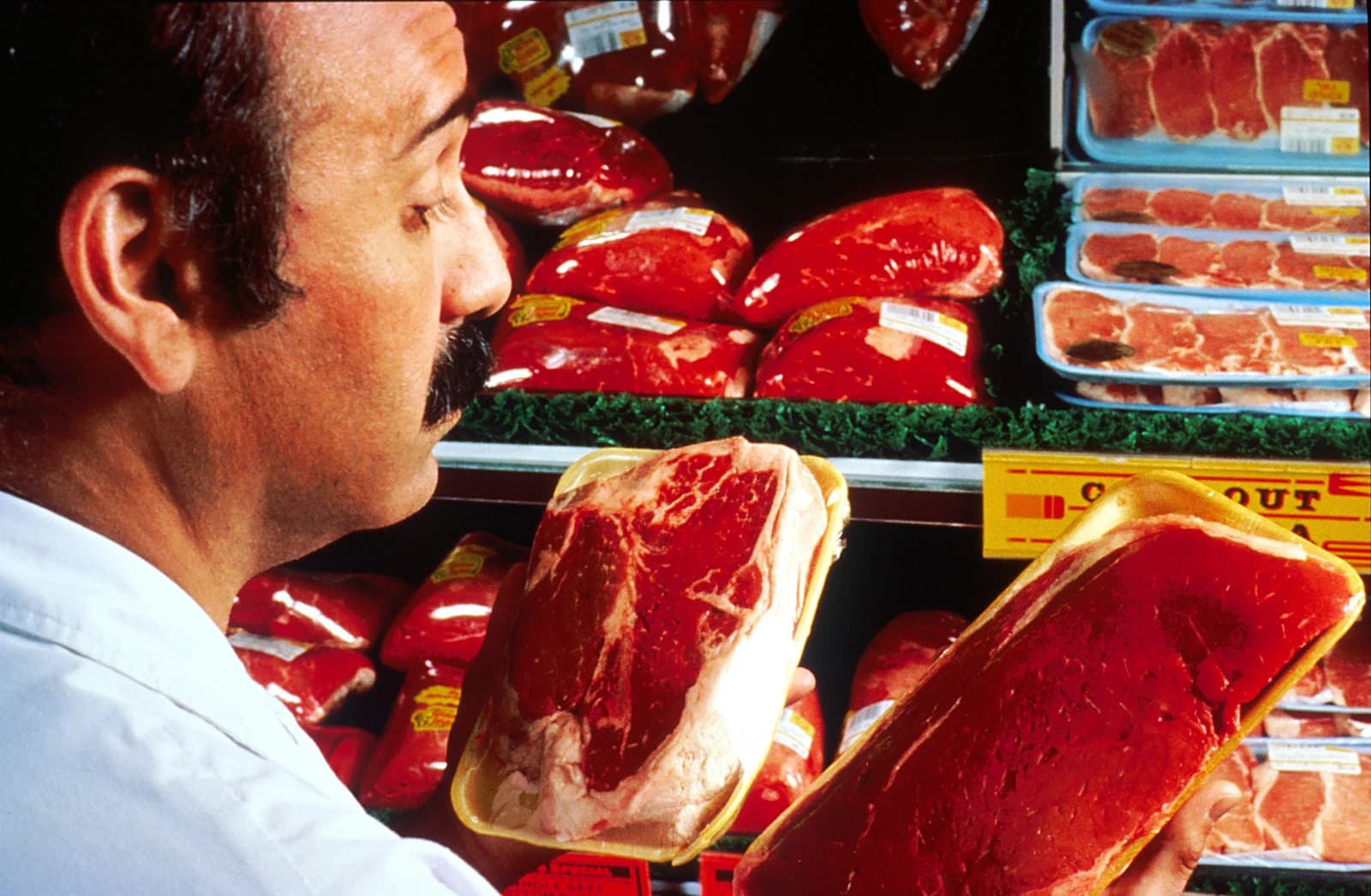
The most immediate economic damage is the loss of inventory. In Ramkvilla, ICA store owner Siw Klitsch said Puttes lanthandel chose to discount affected goods by 50% rather than scrap them, estimating about 35,000 kronor of stock was hit. Other stores were less fortunate and judged that all frozen and chilled goods exposed to the outage had to be destroyed because the cold chain had been broken. For food retailers, that means the loss is not limited to the original merchandise value: there are also disposal costs, staff disruption, insurance claims and the risk of customer trust being eroded if spoiled goods reach shelves.
The incident matters beyond the immediate spoilage bill because refrigeration is a core part of grocery economics. Supermarkets and convenience stores run on thin margins, and a cyber event that disables freezers can wipe out the profit on a day’s or even a week’s sales in affected categories. It also shows how a cyberattack can translate quickly into physical losses, an increasingly important theme for retailers with connected equipment, automated logistics and remote monitoring systems. ICA’s experience echoes warnings long embedded in U.S. grocery and mass-market filings, where chains such as Kroger, Costco and Target have all flagged cybersecurity incidents as a source of operational disruption, reputational damage and potential legal exposure.
For investors, the story is less about one Swedish chain than about a broader risk premium for retailers that rely on networked systems to manage inventory and temperature-sensitive goods. The initial hit is likely to be modest in group terms, but repeated incidents can lift insurance costs, force additional spending on cybersecurity and resilience, and pressure margins in already competitive food retail markets. Smaller stores are particularly exposed because they may lack the redundant systems and in-house security budgets of larger chains.
The wider narrative is that grocery retail is becoming a frontline target for cyber disruption because it combines fragile perishables, dispersed stores and increasingly digitized operations. If investigators confirm malicious interference, the episode could prompt more spending on endpoint security, backup controls and emergency refrigeration protocols. For investors, the key question is no longer whether retailers can absorb an isolated incident, but how often such attacks can happen before they begin to affect operating costs, shrinkage and valuation multiples.
| Entity | Gains | Losses |
|---|---|---|
| ICA stores with damaged stock | ▲Faster inventory clearance | ▼Direct spoilage losses |
| Customers buying discounted goods | ▲Lower prices | ▼Reduced product availability |
| Cybersecurity vendors | ▲Higher demand for protection | ▼None immediately |
| Grocery operators with weak controls | ▲Lessons from incident | ▼Higher costs and margin pressure |