A recall of more than 1.5 million pounds of meat and poultry sold at North Carolina grocery stores is raising fresh food-safety concerns for Tyson Foods, Kroger and Walmart, with the action centering on possible temperature abuse that can compromise product quality and increase the risk of illness.
Tyson Foods recall hits Kroger and Walmart stores
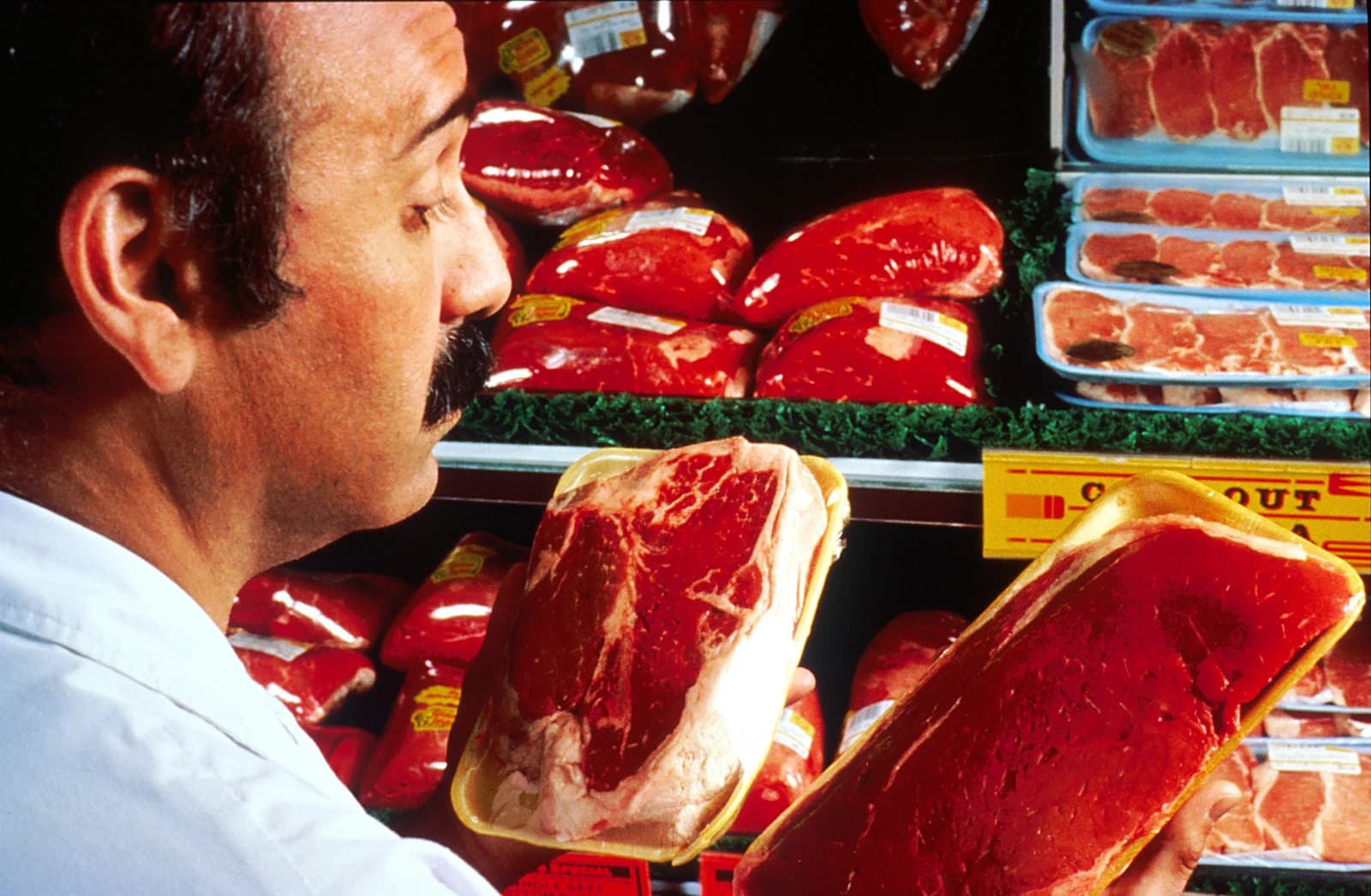
The scale matters because the affected products include everyday staples such as hot dogs, bacon and deli meats, items that move quickly through supermarket coolers and into household refrigerators. When cold-chain controls fail, retailers can face inventory losses, higher monitoring costs and reputational damage, while suppliers can see more scrutiny from regulators and buyers.
Tyson Foods, the most directly exposed name in the group, has been under pressure from investors to protect margins in a business where recalls can quickly erase pricing power. The company’s shares were last at $55.61, above the 50-day moving average of $53.74 but still below the 200-day average of $58.91, while its relative strength index sat at 71.7, suggesting the stock has been strong even as recall risk returns to the fore.
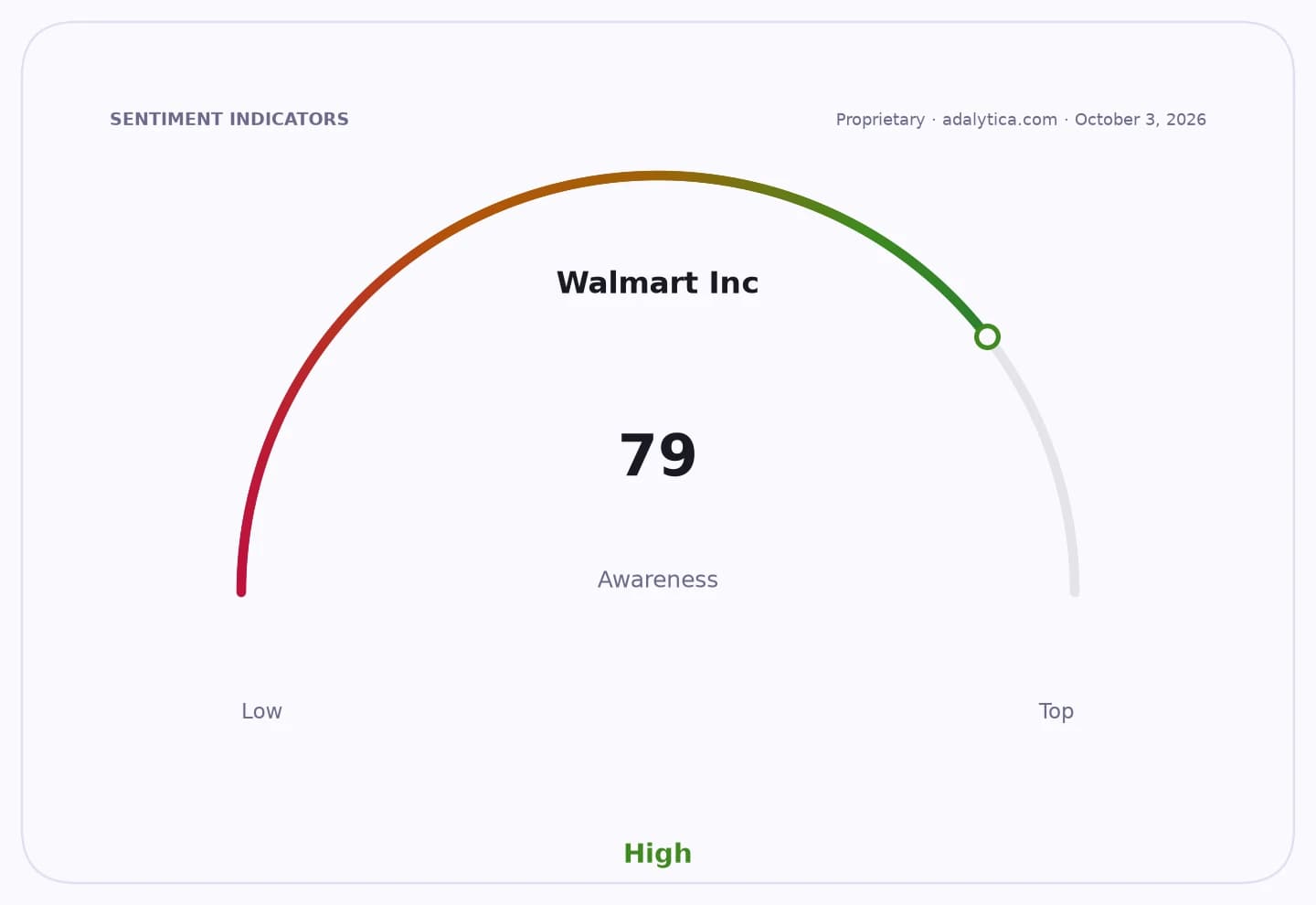
Kroger and Walmart are also in focus because both chains sell large volumes of packaged meat and deli products, and store-level recalls can force them to pull product, notify customers and tighten supplier checks. Kroger closed at $65.60, above both its 50-day average of $60.06 and 200-day average of $63.07, while Walmart ended at $118.81, just below its 200-day average of $118.10 after a long run that had left the stock stretched, with an RSI reading of 77.0.
The recall lands against a broader backdrop of food-safety enforcement and supply-chain strain, with temperature control a persistent weak link in meat processing and retail distribution. For investors, the key question is whether the incident stays contained to a one-off recall bill or turns into a wider margin and compliance issue for the meat aisle.
Authorities are likely to step up oversight, and the next catalyst will be whether companies disclose additional affected products, customer claims or follow-on inspections that could widen the financial hit.
| Entity | Gains | Losses |
|---|---|---|
| Tyson Foods | ▲faster cleanup if contained | ▼recall costs, brand damage |
| Kroger | ▲tighter store controls | ▼product pullbacks, labor costs |
| Walmart | ▲food-safety response credibility | ▼markdowns, supplier scrutiny |
| Consumers | ▲removal of risky product | ▼convenience, possible illness risk |