Fast food is becoming a political test case for how much automation, pricing and corporate power consumers will tolerate, even as demand stays strong enough to keep the sector in investors’ favor.
McDonald's, Starbucks and Yum Face Automation Backlash

The deeper story behind the “we need to talk” debate over taxing fast food, banning child-free spaces and allowing AI in schools is that food-service brands are operating in a tougher social and economic environment than their sales growth alone suggests. Consumers are still buying, but they are also more sensitive to what they pay, how companies behave and how much technology replaces human labor. That mix matters because it can shape regulation, menu pricing and brand loyalty at the same time.
Sentiment Indicators
For investors, the key question is not whether fast food disappears from the basket. It is whether the industry can preserve margins while navigating backlash over affordability, health policy and automation. McDonald’s, Starbucks and Yum Brands remain highly visible proxies for that trade-off. Their shares have recovered from earlier weakness, but the moves have been volatile, showing how quickly sentiment can swing when investors rotate between confidence in pricing power and concern about cost pressures.
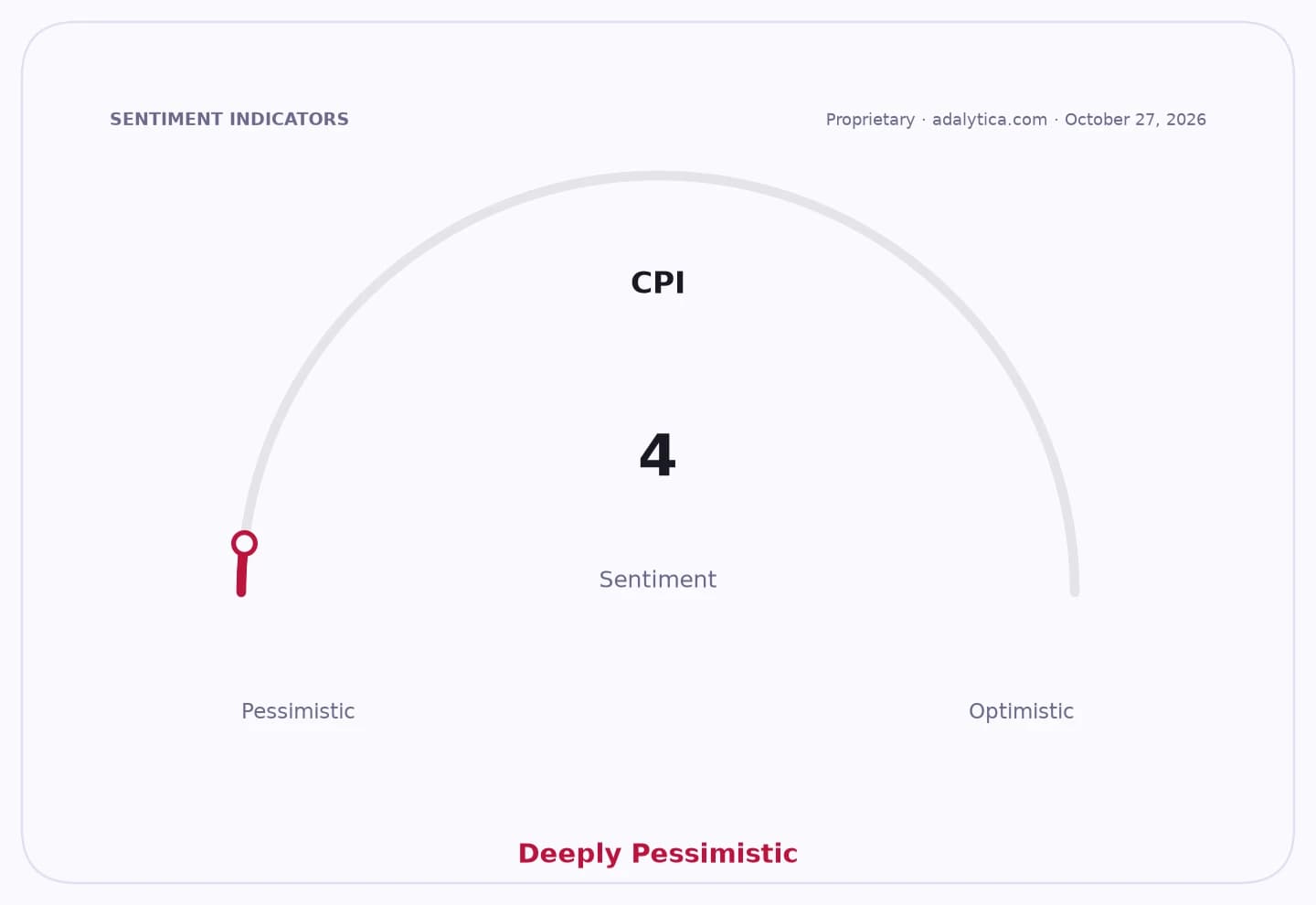
The macro backdrop is still supportive. U.S. inflation is running far above pre-pandemic norms, with the consumer price index at 336.298 in September and a forecast 335.818 for October, while unemployment is low at 4.2%. That combination usually leaves households able to spend, but choosier about value. In restaurants, that pushes traffic toward brands that can justify higher tickets through convenience, consistency or perceived quality. It also raises the stakes for any policy move that could make fast food look more expensive, whether through taxes or public-health campaigns.
That is why the sector’s response to AI is being watched so closely. McDonald’s, for example, has warned in filings that its success depends on keeping up with evolving consumer preferences and industry trends, while also addressing privacy and data-protection risks as digital engagement expands. The company’s stock recently traded around $250.50, down sharply from a 52-week stretch that included a climb above $334.50, while technical indicators such as the 50-day moving average and RSI readings show the shares trying to stabilize after a deep selloff. Starbucks, at about $103.20, has also rebounded after dropping below $91 in October, and Yum Brands, near $150.16, has recovered from a mid-September slide to $135.75.
Those moves suggest investors are still willing to pay for global restaurant franchises, but not at any price. McDonald’s is trading well below its 200-day moving average, while Starbucks and Yum are closer to their longer-term trend lines, underscoring different levels of confidence in each recovery story. The sharp rebound in McDonald’s and Starbucks also reflects a market that sees room for better execution, but it leaves little margin for disappointment if consumer backlash or regulatory pressure intensifies.
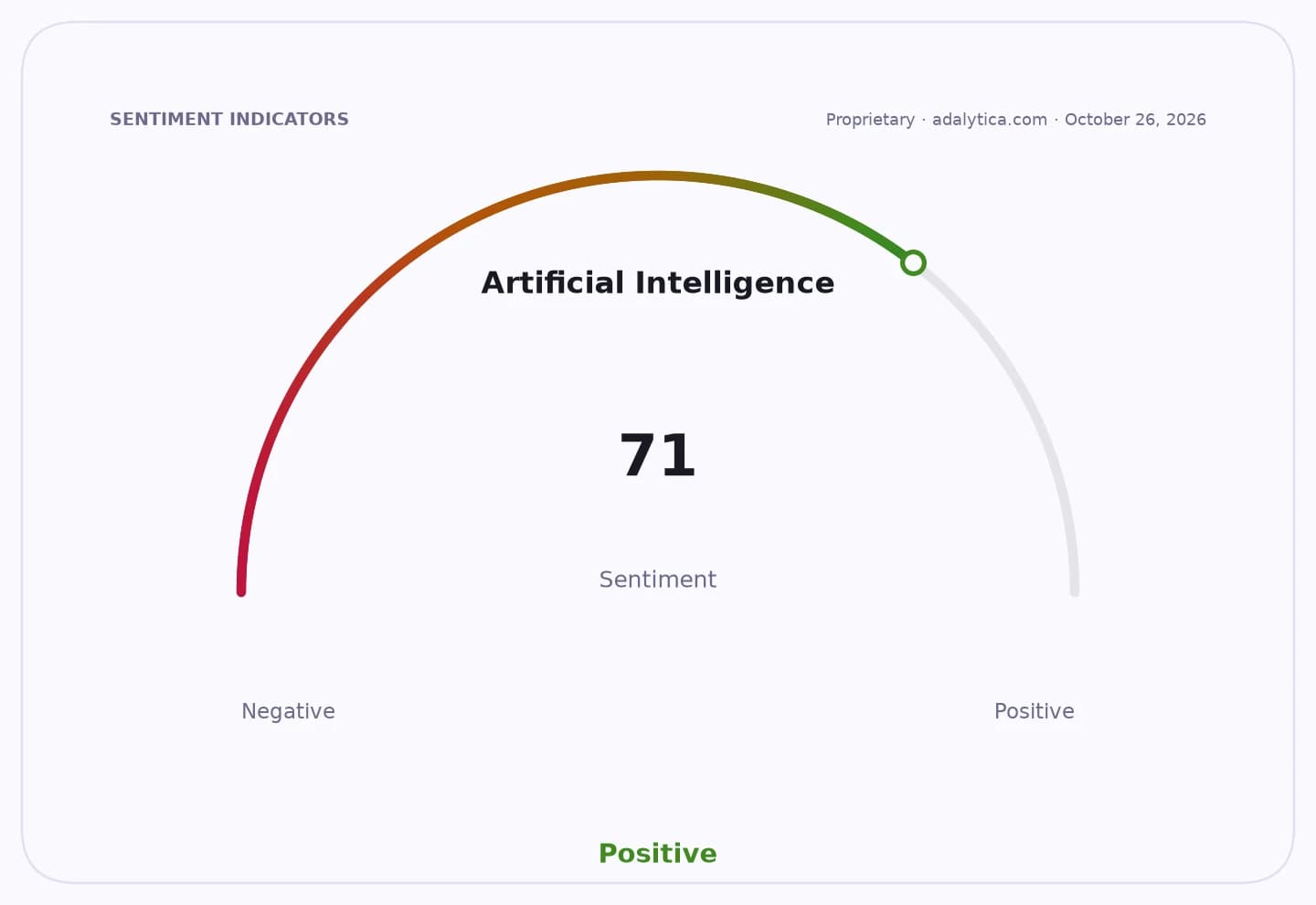
AI is central to that risk. Bloomberg reported that Google is testing AI in Boston hospitals to collect patient symptoms and prepare summaries ahead of doctor visits, showing how quickly artificial intelligence is moving into sensitive, high-trust sectors. The same logic is now reaching restaurants and schools: companies want efficiency, public institutions want productivity, but both face scrutiny over errors, privacy and accountability. Adalytica’s AI sentiment gauge sits at “Extreme Fear,” a sign that the market remains cautious about how quickly AI can be deployed without reputational damage.
For fast-food companies, the bull case is straightforward: AI can improve ordering, labor scheduling and personalization, helping offset wage inflation and protecting margins. The bear case is equally clear: if consumers view AI as replacing workers, lowering quality or making mistakes, the brands most associated with everyday pricing could become targets for political criticism. That is where the tax debate comes in. A fast-food levy, even if framed as a public-health measure, would hit a sector already under pressure to defend value and explain price increases.
The next catalyst is whether consumer spending holds up into year-end while restaurant chains continue to lean on promotions, digital ordering and operational automation. If inflation keeps easing and unemployment stays low, the sector can probably absorb more policy noise. If not, the combination of political scrutiny and AI-related distrust could become a more meaningful drag on sentiment, especially for the largest global chains.
| Entity | Gains | Losses |
|---|---|---|
| Fast-food chains | ▲Cost efficiency from AI | ▼Political scrutiny over prices |
| Consumers seeking value | ▲More promotions and convenience | ▼Higher menu prices from taxes |
| AI vendors | ▲Faster restaurant adoption | ▼Reputational risk from errors |
| Labor unions/workers | ▲More public attention on wages | ▼Automation pressure on jobs |