AI is moving from the data center to the grocery aisle, and that shift could change how the most everyday retail businesses buy inventory, cut waste and protect margins.
AI in grocery retail expands to colmados
What sounds like a modest pilot in the Dominican Republic points to a much bigger investing theme: artificial intelligence is no longer just for megacap tech companies. A new agreement between Asociación Popular de Ahorros y Préstamos and Pontificia Universidad Católica Madre y Maestra aims to teach AI to owners of colmados, the neighborhood grocery stores that power daily commerce. The project, called “El Colmado Inteligente,” is designed to help small merchants decide how much to buy, which products move fastest, when to restock and how to reduce losses.
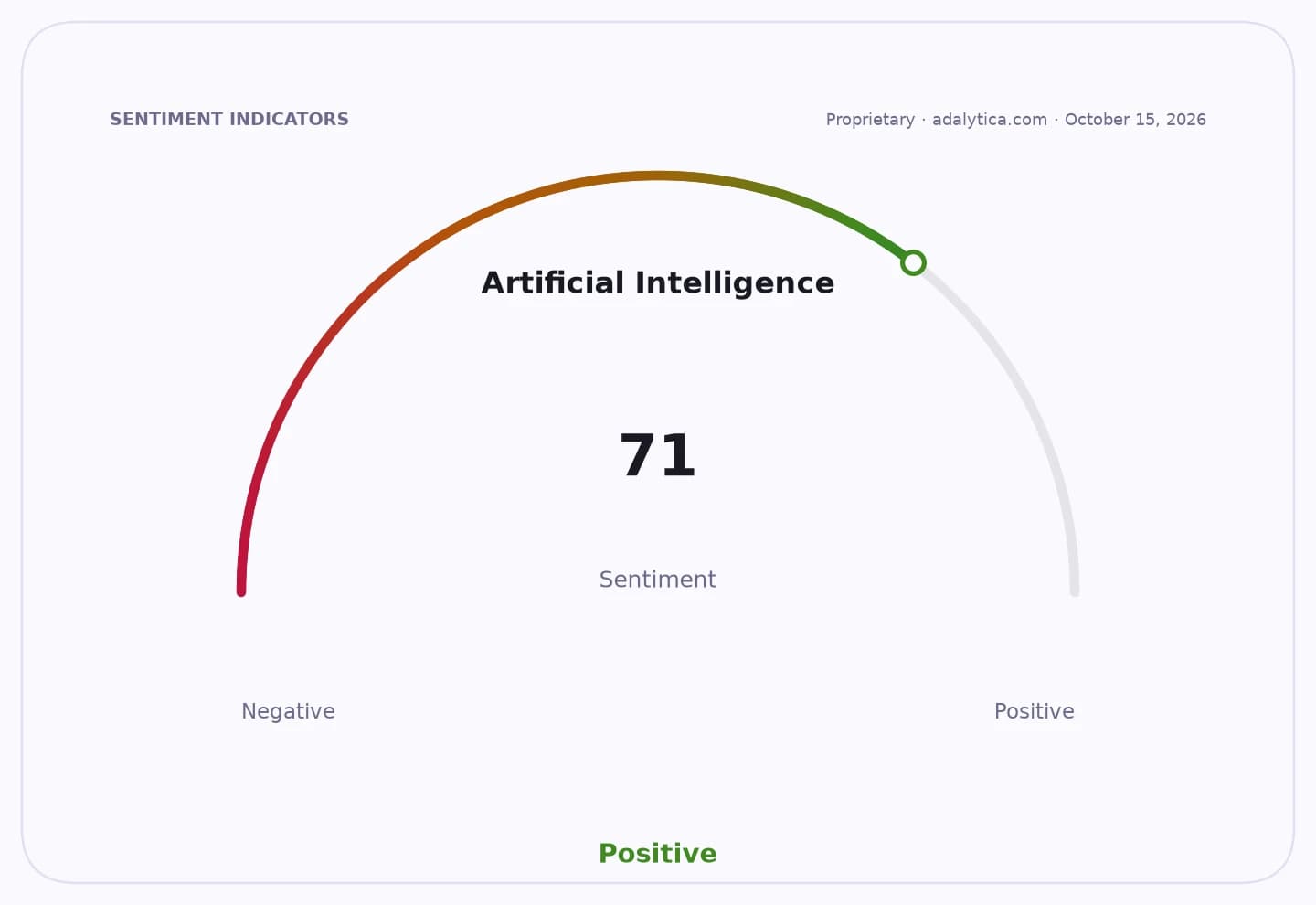
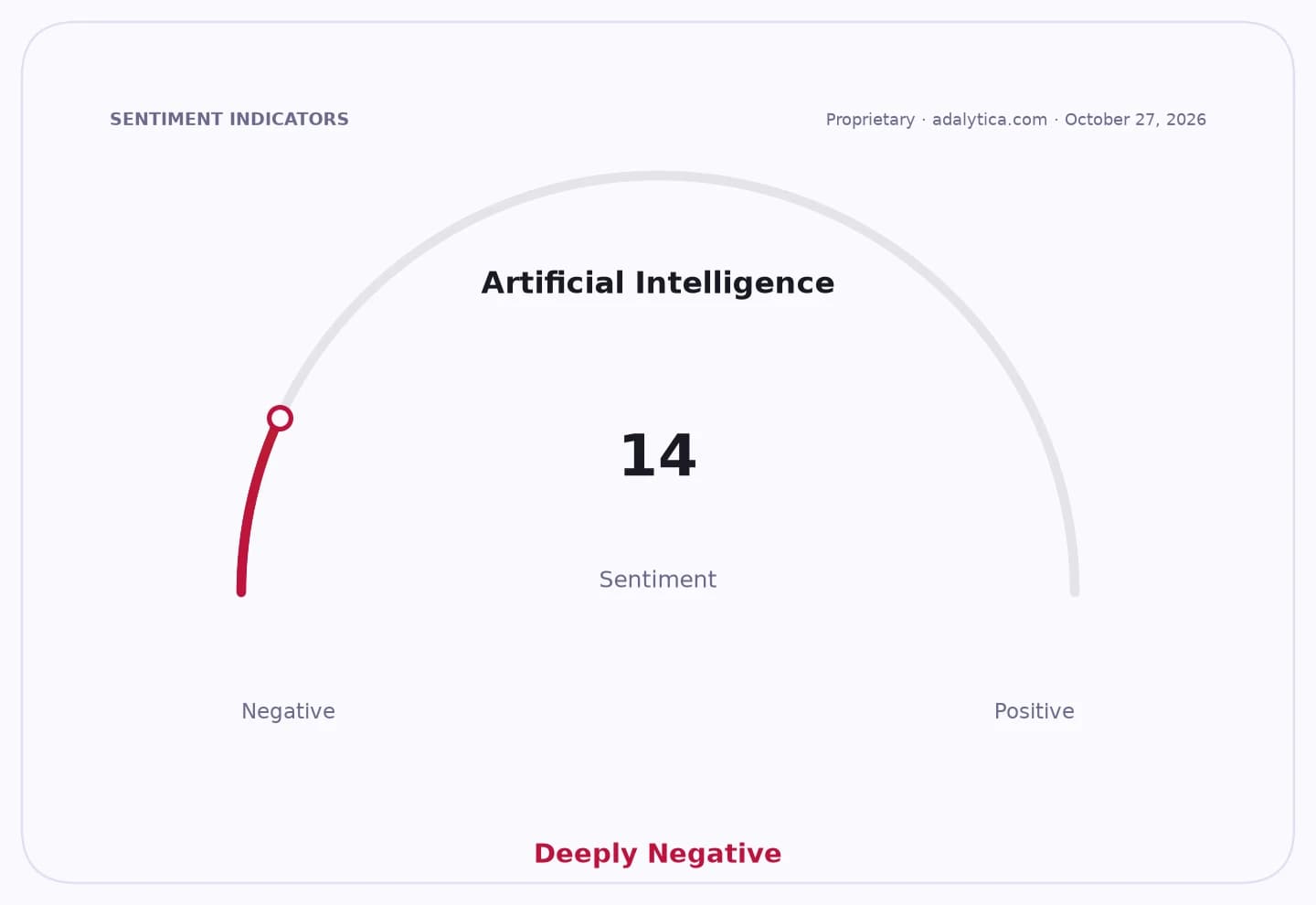
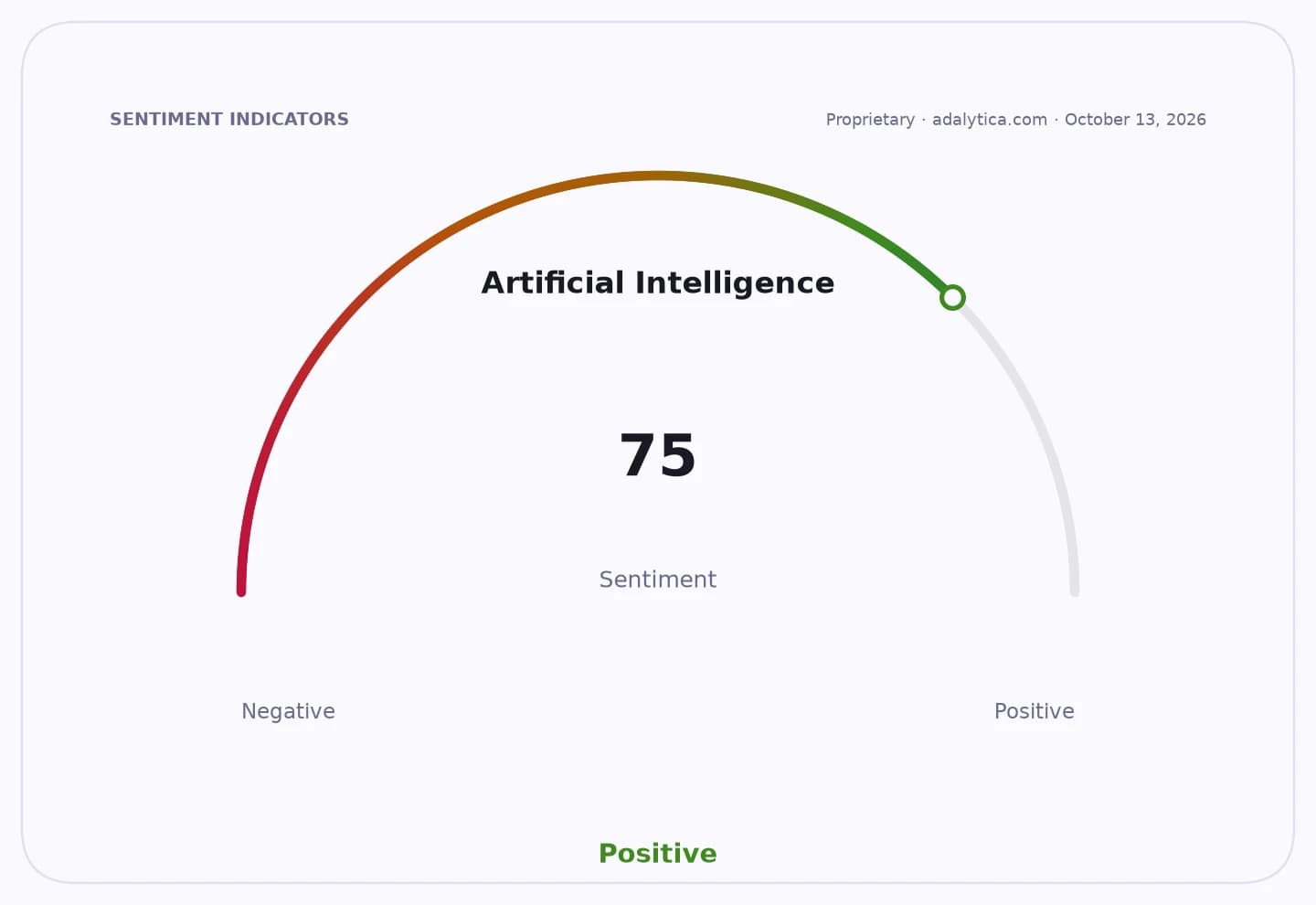
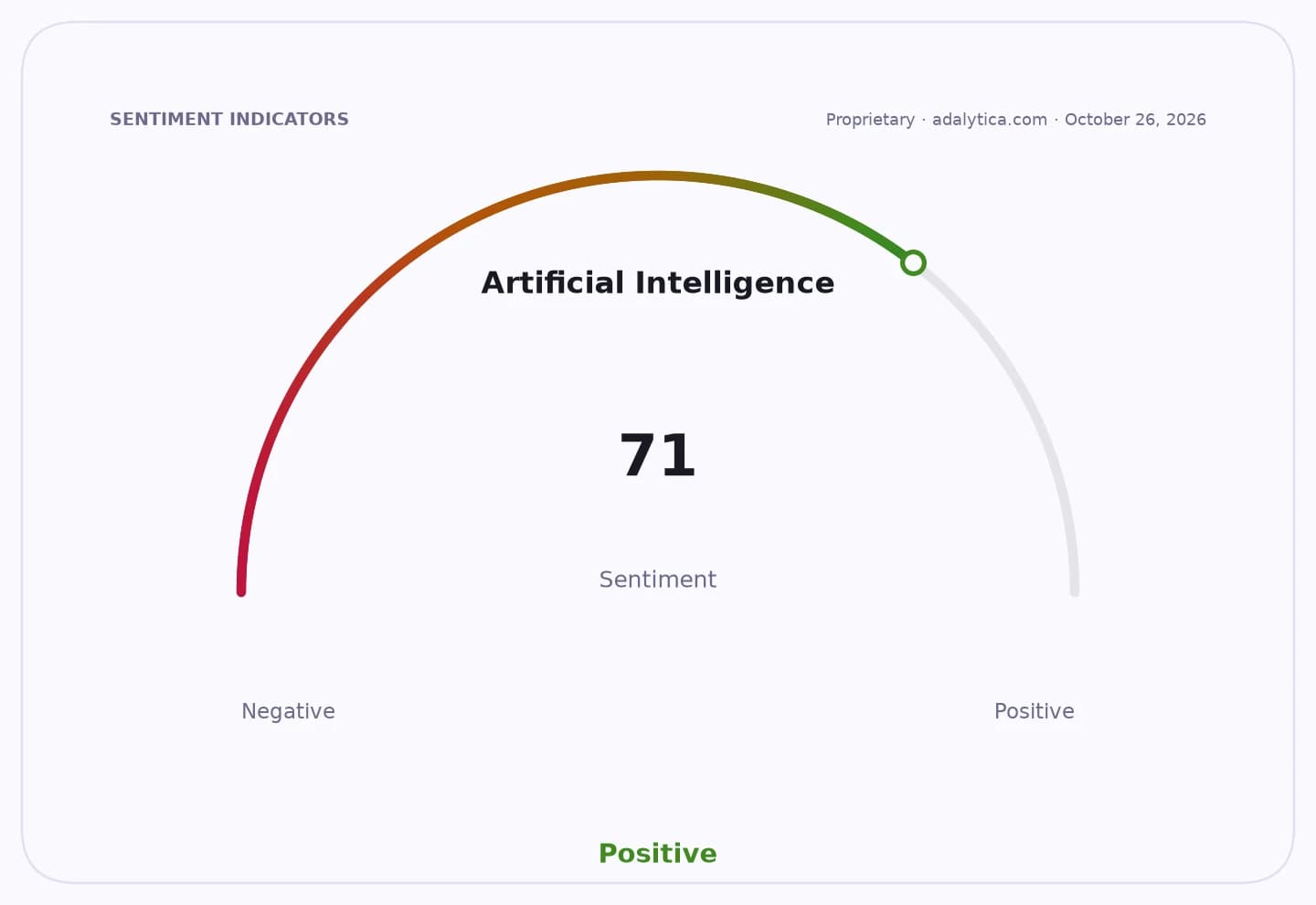
Sentiment IndicatorsⓘProprietary · adalytica.com · October 26, 2026
This is a snapshot — live sentiment, awareness and momentum for 130+ markets update continuously in the dashboard.Open AlphaPulse
That matters because grocery retail is a volume game with thin margins. Even small improvements in forecasting, inventory management and shrink reduction can have an outsized effect on profit. For informal and semi-formal operators, better use of AI could also speed the transition toward more organized, financeable businesses. In a country where small shops still anchor a large share of consumer activity, the productivity gains could ripple through suppliers, lenders and consumers.
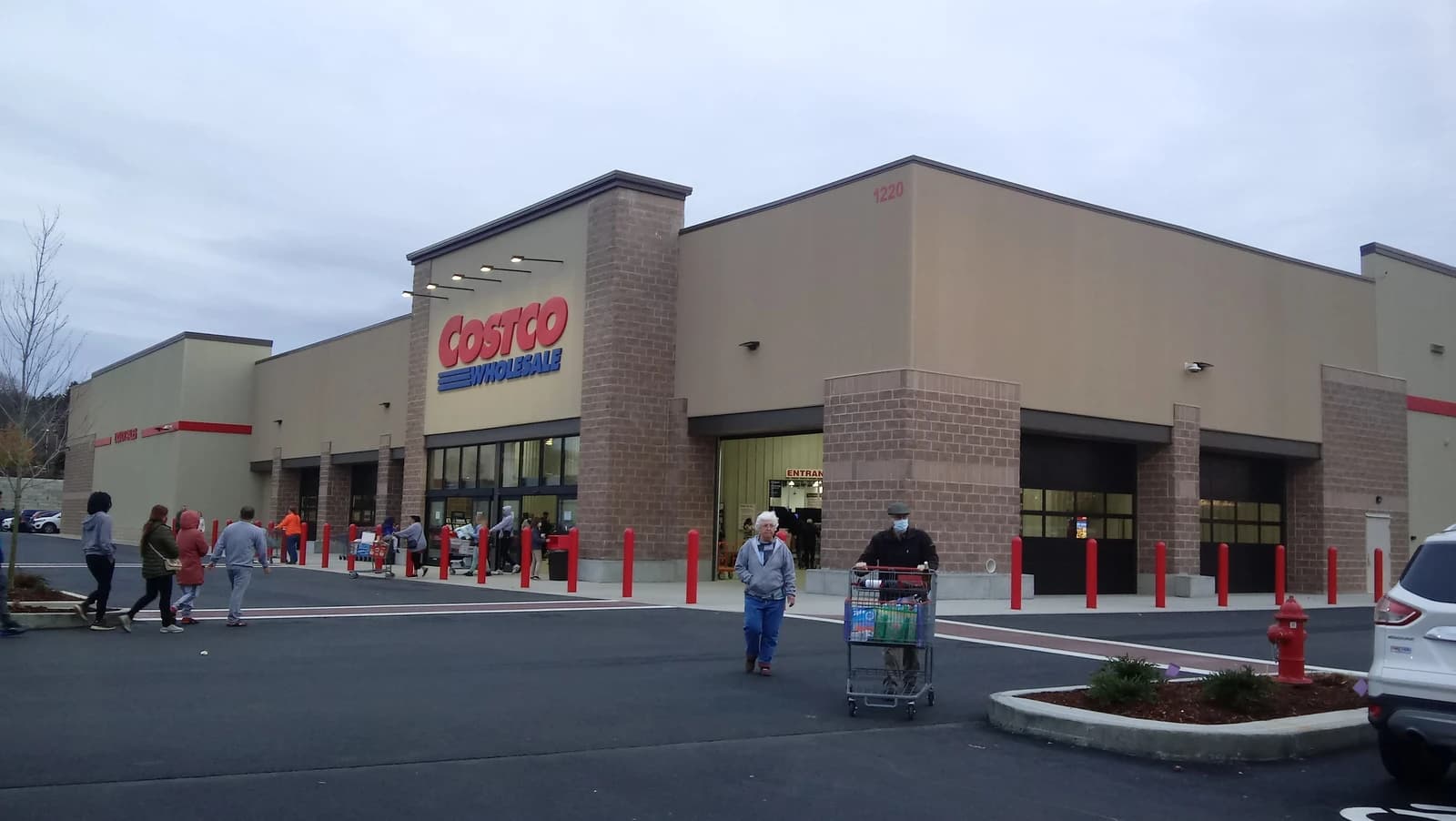
For investors, the message is broader than one country. Retailers that can use AI to sharpen demand planning and improve replenishment will be better positioned to defend margins as competition intensifies and shoppers compare prices more easily online and on mobile devices. Costco, Walmart and Kroger all sit inside that pressure cooker, and each is already dealing with the same basic question: how do you sell groceries efficiently enough to keep traffic high and earnings resilient?
The answer increasingly lies in data, automation and machine learning. Costco’s shares have recently hovered around the $1,000 mark, after a strong run that pushed the stock well above its 50-day moving average. Walmart has also rallied sharply, reflecting investor confidence that grocery strength and scale can cushion the business even as the stock trades close to recent highs. Kroger, meanwhile, has recovered from a weaker stretch and has been benefiting from steady demand in its core grocery operation. All three are being valued not just on store counts, but on how effectively they can use technology to run those stores.
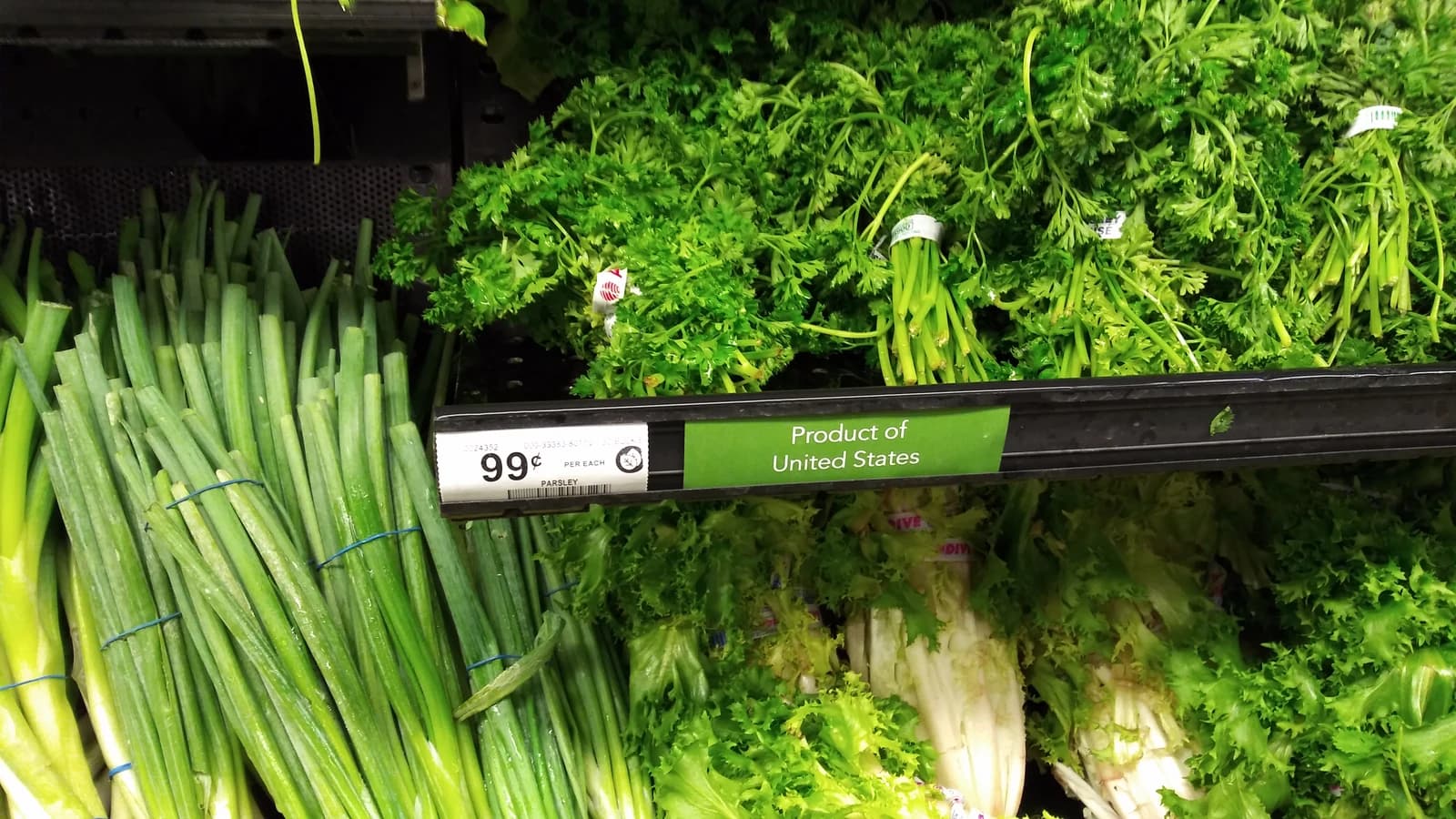
That is where AI becomes more than a buzzword. Grocery is one of the best real-world use cases for it because the economics are unforgiving: too much inventory means spoilage and markdowns; too little means lost sales and unhappy customers. AI tools can help retailers and small merchants make faster, better decisions on what to stock, where to place it and when to replenish it. Over time, that can improve free cash flow and make businesses more resilient through cycles.
There are risks, of course. The same AI tools that help merchants can also intensify competition by making pricing and assortment decisions more efficient across the industry. And the benefits will not arrive evenly; many smaller operators will need training, financing and clean data before they can fully adopt the technology. But that is also why the education angle matters. A workforce that understands AI is often the missing ingredient between a promising tool and a measurable business gain.
For long-term investors, this is one of those themes that rewards patience. AI will not transform grocery stores overnight, but it can steadily make them more productive, more profitable and more defensible. The companies and markets that adapt first are likely to compound those gains for years. Grocery may not be the flashiest AI story, but it could be one of the most durable. Worth watching closely.
| Entity | Gains | Losses |
|---|---|---|
| Grocery retailers using AI | ▲Better margins and inventory control | ▼Manual, waste-prone operations |
| Small colmados | ▲Higher productivity and formality | ▼Slow adopters and low-tech rivals |
| Costco, Walmart, Kroger | ▲Stronger efficiency and resilience | ▼Competitors with weaker data tools |
| Suppliers and lenders | ▲More organized customers | ▼Businesses that remain informal |