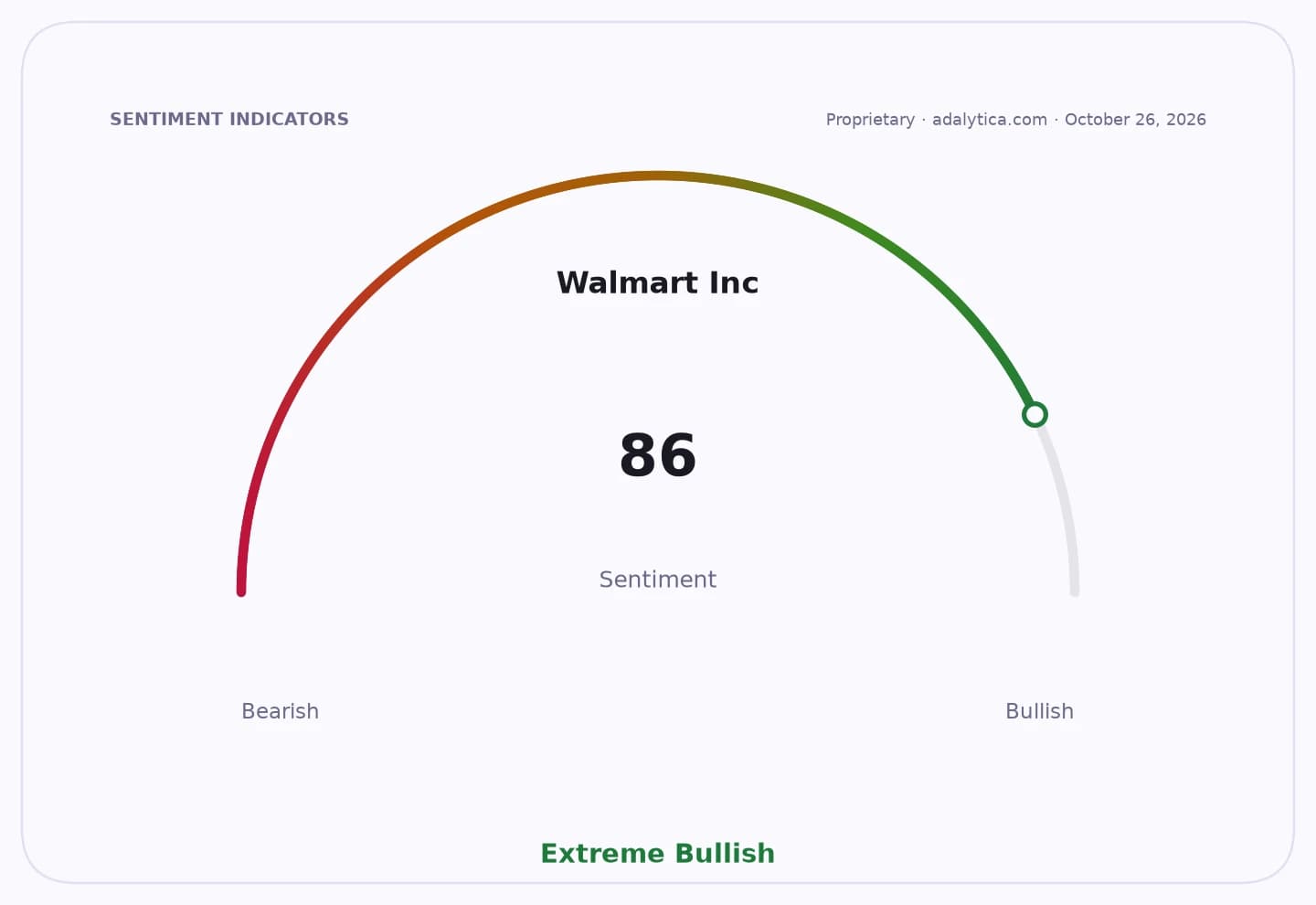
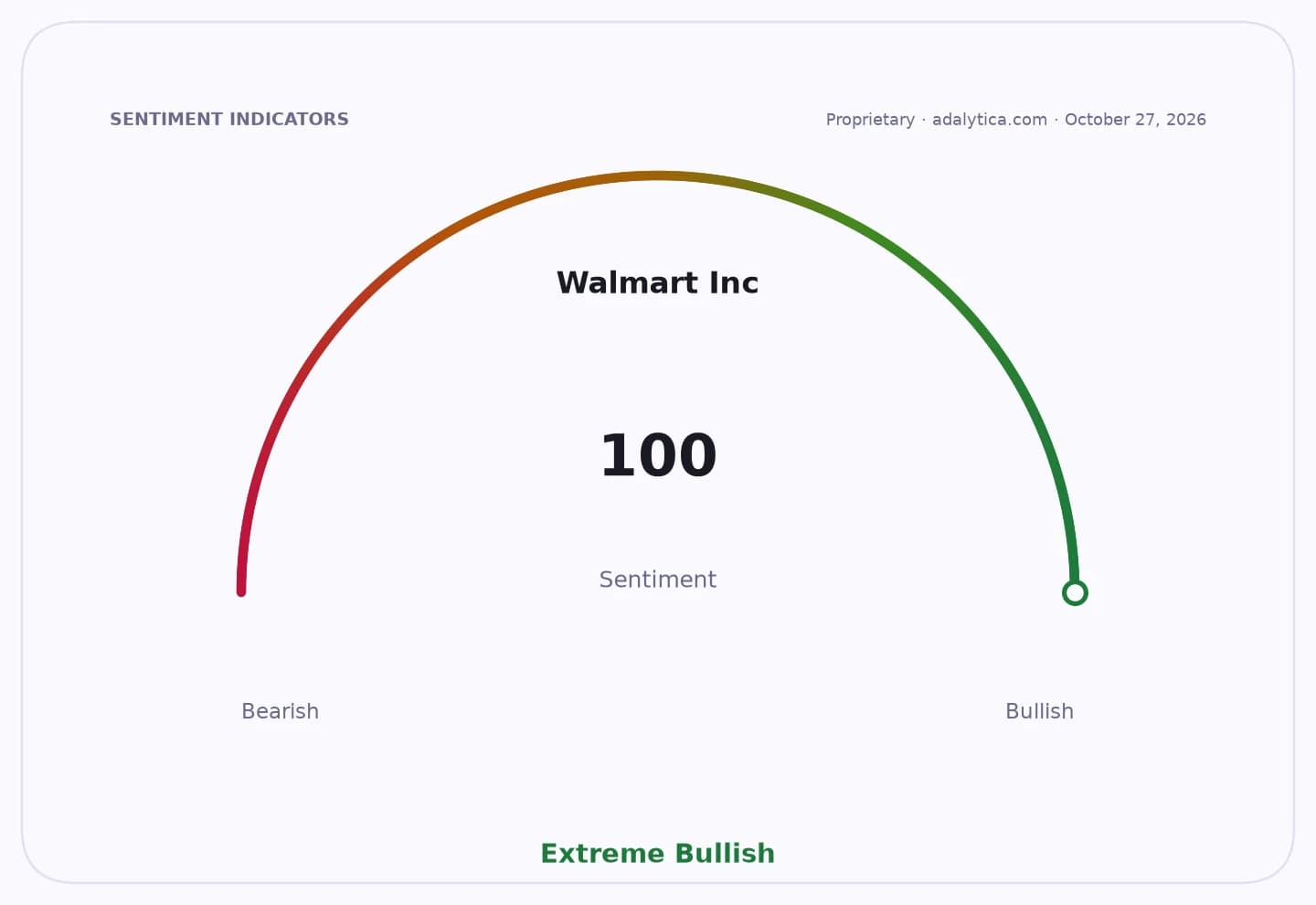
Walmart is rolling out tools that let artificial intelligence agents shop and complete purchases for customers, a move that could reshape how people buy online and deepen the battle with Amazon over who controls the next phase of e-commerce.
Walmart launches AI agent shopping tools
The retailer said it will launch “Agent Profiles” next month, giving shoppers the ability to authorize individual AI agents, set spending limits and require approval on transactions. Walmart is also introducing an “Agent Gateway” that connects assistants such as OpenAI’s ChatGPT, Google’s Gemini and Meta’s Muse directly to Walmart and Sam’s Club systems so they can search products and place orders.
The economic significance goes beyond convenience. If AI assistants become a standard layer between shoppers and retailers, the company with the most open, usable shopping rails could win more online traffic, more transactions and more data on consumer behavior. That raises the stakes for Walmart’s digital push at a time when e-commerce remains a key growth engine and margins across retail are under pressure from competition and technology spending.
Walmart is also framing the rollout as a controlled environment rather than a free-for-all. Customers will remain in control, can monitor AI-made purchases separately from their own orders and can revoke access at any time. The company said agents will not be allowed to access payment card data and can be blocked for violating company rules.
The strategy marks a clear contrast with Amazon, which has tried to restrict third-party AI shopping agents from its platform. That difference could matter for the broader industry if retailers start choosing whether to wall off AI agents or invite them in as a new distribution channel.
Mizuho analyst David Bellinger said the tools add confidence to what remains an “experimental” shopping process, adding that the backing from management teams suggests agentic commerce is becoming a real market. The tools will be available to all Walmart account holders and will not require a Walmart+ membership, widening the potential user base.
Walmart shares were trading near $119.32 on Tuesday, well above the 50-day moving average of $109.61 and around the 200-day moving average of $118.11, though the stock’s RSI reading of 79.1 points to stretched near-term momentum. Amazon closed at $253.10, also near its 50-day moving average of $255.21. Costco, another major retail peer, ended at $992.13.
For investors, the near-term question is whether AI shopping becomes a meaningful source of incremental sales or just another interface change. Longer term, the winner may be the retailer that turns agent-led shopping into a loyalty and data advantage without losing control of pricing, payment security or customer trust.
| Entity | Gains | Losses |
|---|---|---|
| Walmart | ▲More digital traffic, early AI commerce lead | ▼Higher integration and trust risk |
| Amazon | ▲Little from open access model | ▼Control over third-party agents |
| AI assistants | ▲Direct shopping utility | ▼Restricted access on closed platforms |
| Consumers | ▲Faster automated shopping | ▼Less control if rules fail |