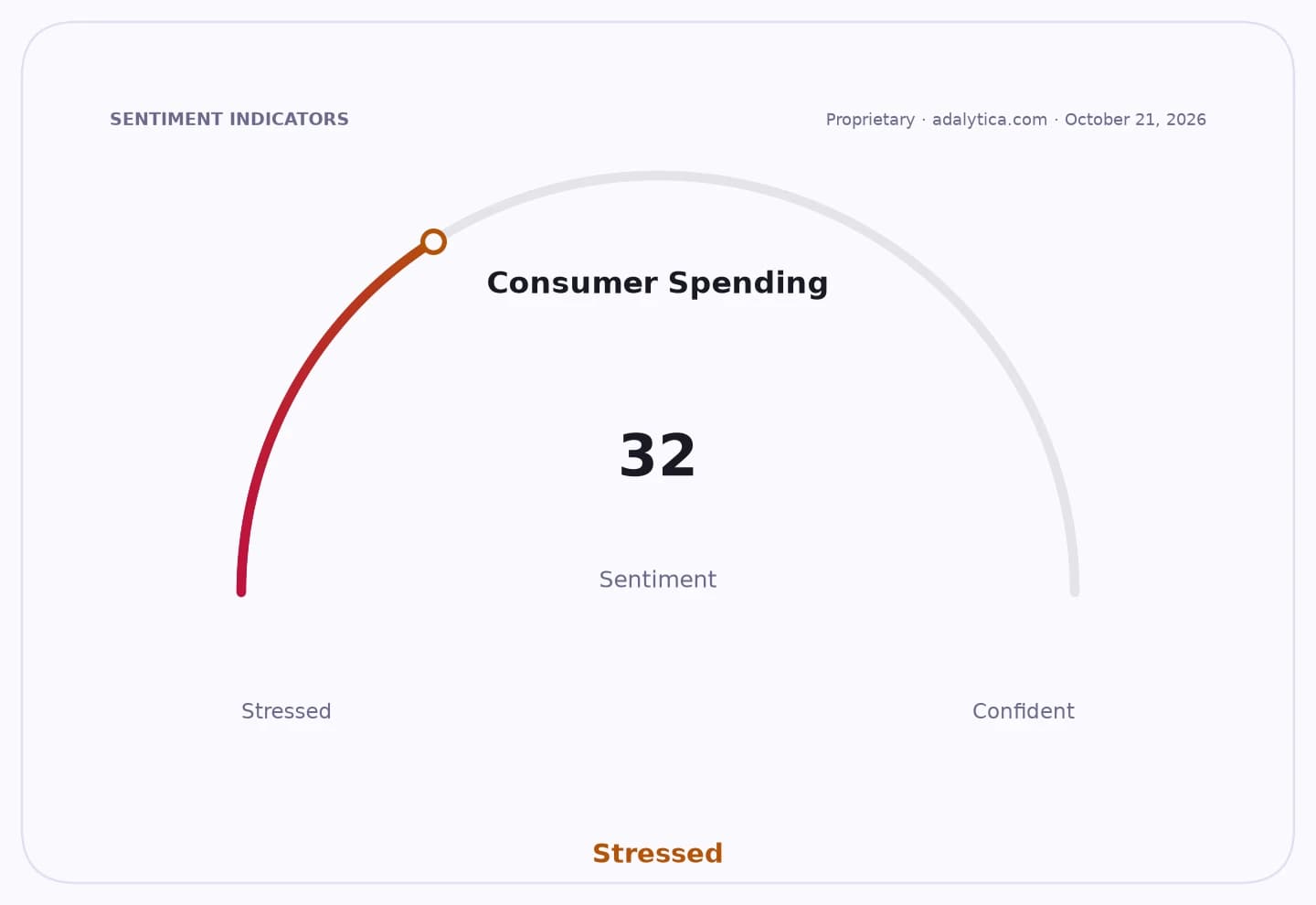
Walmart is bundling its two biggest membership programs into a $120 annual plan, a pricing move that deepens customer lock-in and could lift recurring revenue while making it cheaper for households to shop across both banners.
Walmart Bundles Walmart+ and Sam's Club for $120
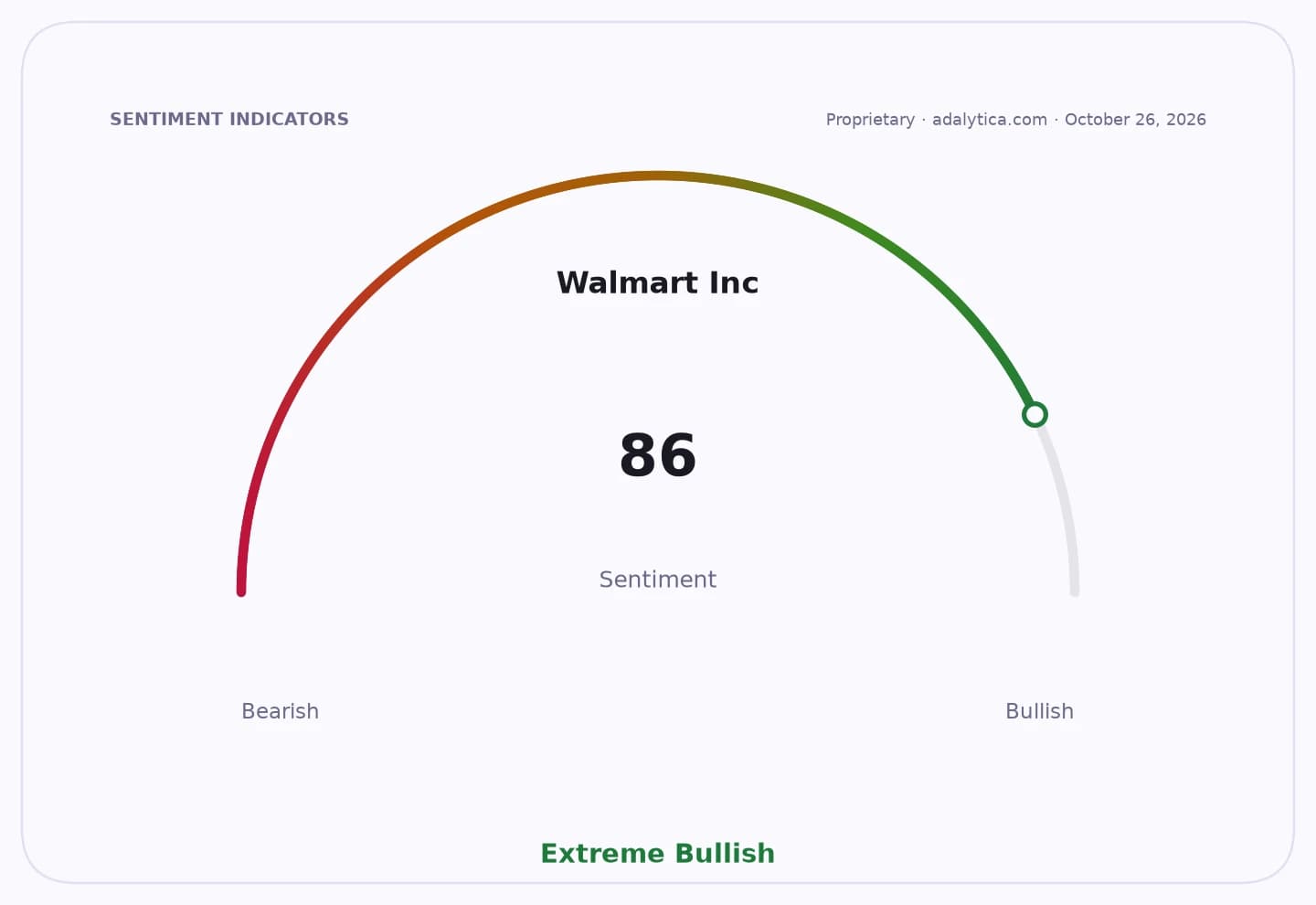
The new offering, available in the U.S. from Oct. 20, prices a joint Walmart+ and Sam’s Club Plus membership $98 below the $218 cost of buying both separately, before taxes. For Walmart, the appeal is less about the headline discount than about widening the moat around two of its most profitable consumer relationships: one tied to grocery and general merchandise convenience, the other to warehouse-club bulk buying.
The package is built to push more spending through Walmart’s ecosystem. It combines Sam’s Club warehouse access and member pricing with Walmart+ benefits including eligible grocery delivery and fuel discounts at participating stations. It also includes up to 2% Sam’s Cash on qualifying purchases and a streaming choice between Peacock Premium and Paramount+ Essential, both ad-supported.
But the economics for consumers are not as simple as the sticker discount suggests. Deliveries still carry minimums — $35 for scheduled Walmart orders and $50 before tax for eligible Sam’s Club delivery — and the gasoline savings depend on station coverage. The plan is annual only, with no monthly option or trial period, underscoring Walmart’s intent to secure longer-duration commitments rather than short-term sign-ups.
That matters because membership revenue has become an increasingly important profit engine for retailers facing thin merchandise margins and cautious shoppers. Walmart’s latest filing said U.S. e-commerce sales boosted comparable sales and that membership and other income rose, helped by double-digit growth in Walmart+ fee revenue. By tying Walmart+ more tightly to Sam’s Club Plus, the company is effectively trying to extract more value from households that already see both formats as complementary rather than competing.
For investors, the move is a reminder that Walmart’s growth story is increasingly about monetizing ecosystem participation, not just selling more units. A larger combined membership base can support higher frequency, better customer retention and more data on household spending patterns, while also helping Walmart defend against Amazon on convenience and Costco on value. Costco has long used renewal-driven memberships as a loyalty moat; Walmart is now pressing harder into that same model.
The setup also suggests some trade-offs. Households already paying for one or both memberships may need to run the math on delivery thresholds, fuel access and shopping habits before deciding whether the bundle truly saves money. The biggest beneficiaries are likely frequent shoppers who split their spend between grocery delivery, warehouse bulk buys and fuel discounts. The losers are consumers who sign up for the discount but do not use enough of the benefits to recoup the annual fee, and rival retailers competing for the same recurring wallet share.
For existing members, Walmart is making the transition relatively easy: Walmart+ annual subscribers can upgrade for an extra $22 a year, while Sam’s Club basic members can move to Plus and get Walmart+ for $60 more. Current Sam’s Club Plus members can activate Walmart+ at no extra cost, and Walmart says many dual subscribers may qualify for a prorated refund on Walmart+.
The broader investment implication is that Walmart is leaning further into a subscription-led model at a time when consumers remain price-sensitive but are still willing to pay for convenience. If the bundle lifts renewal rates and increases cross-shopping, it could support steadier fee income and higher customer lifetime value. The key question for the next few quarters is not whether the plan is cheaper on paper, but how much incremental spending it pulls into Walmart’s orbit.
| Entity | Gains | Losses |
|---|---|---|
| Walmart | ▲Higher loyalty and fee income | ▼More discounting pressure |
| Sam’s Club members | ▲Added Walmart+ benefits | ▼Must manage annual fee |
| Amazon | ▲Little from this move | ▼More competition on convenience |
| Costco | ▲Membership model stays relevant | ▼Walmart narrows the value gap |