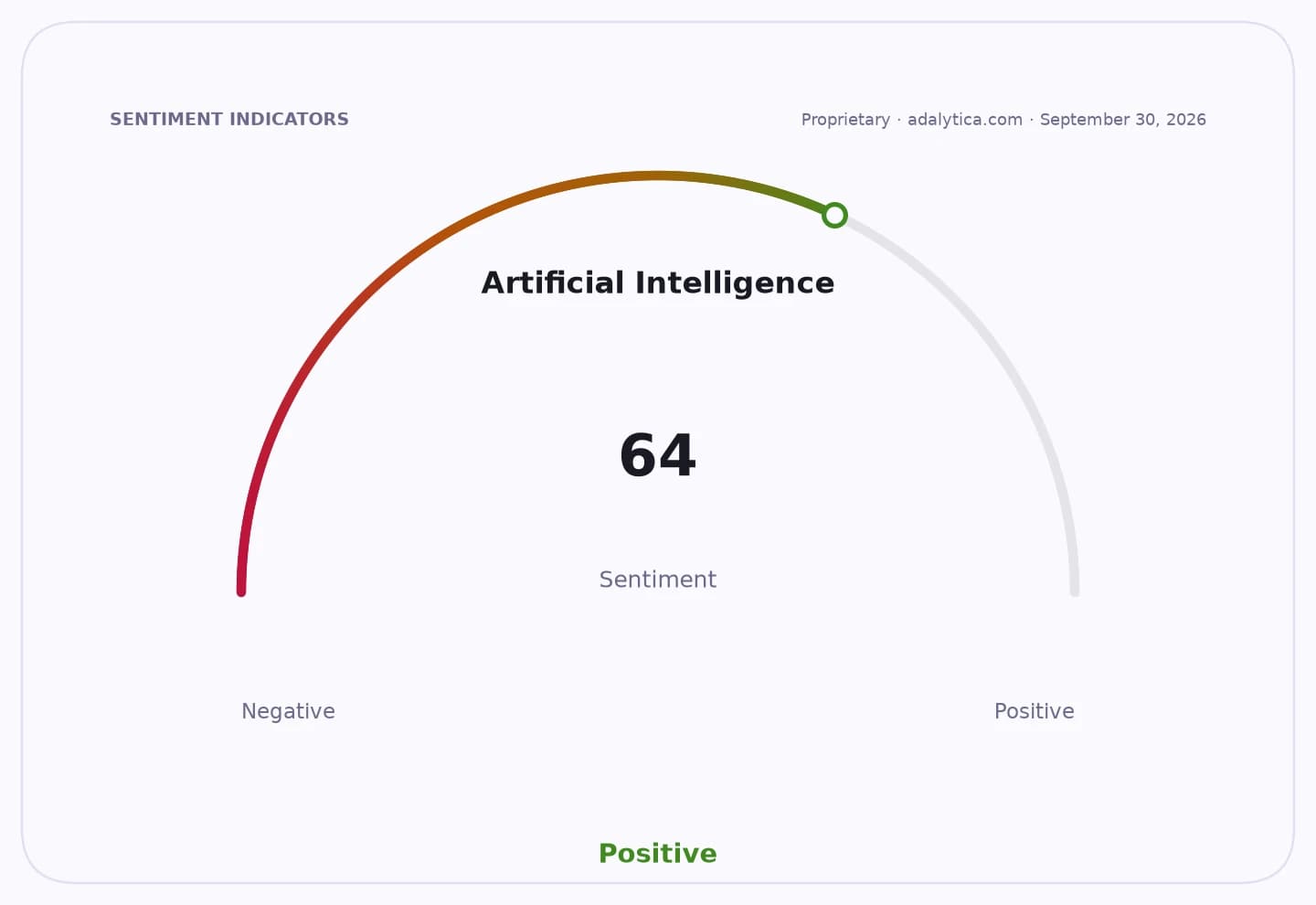
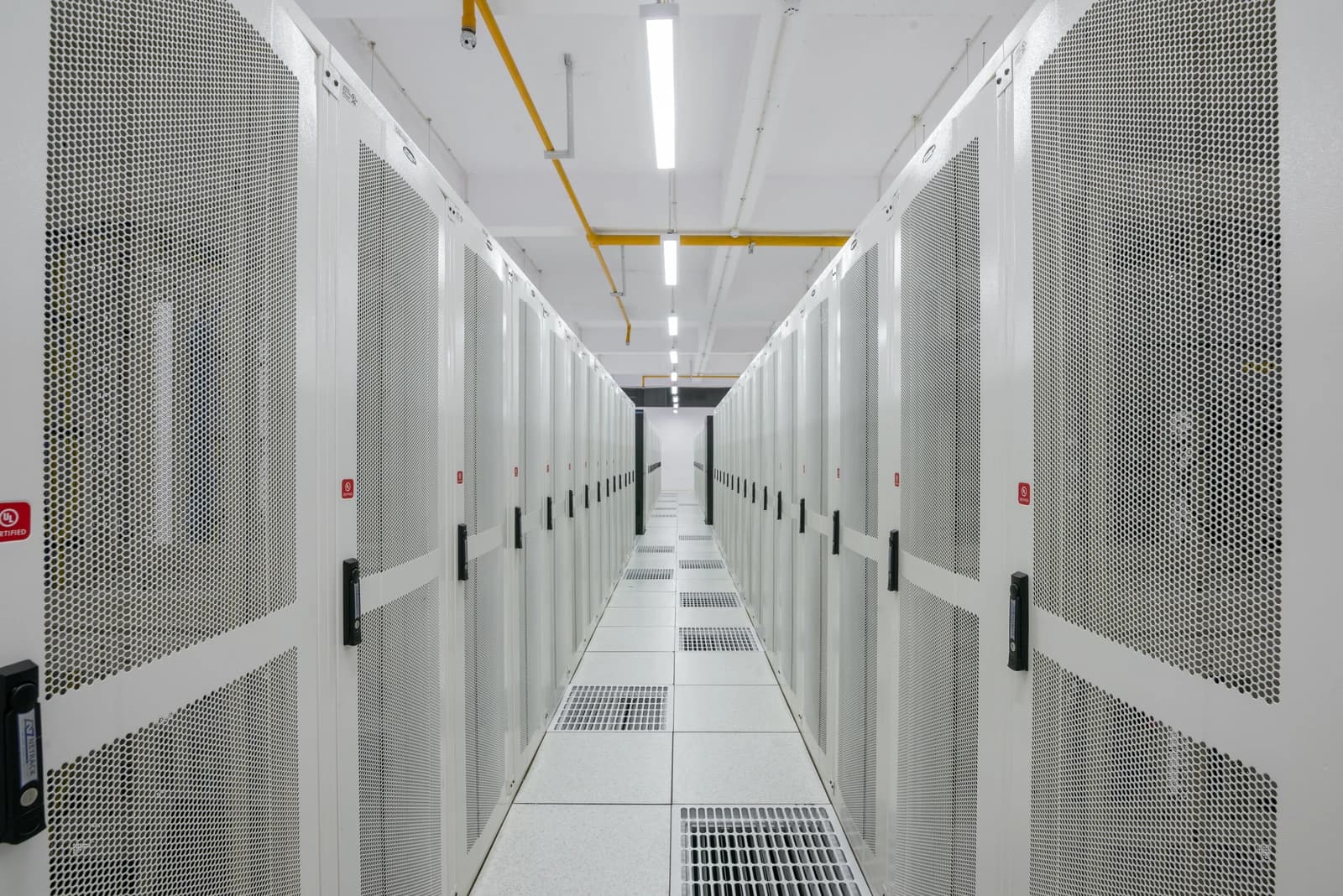
Ho Chi Minh City companies are moving faster on artificial intelligence and digital systems as they try to protect margins, lift productivity and stay competitive in a larger, more crowded market.
Ho Chi Minh City Firms Expand AI and Digital Systems
At a recent Ho Chi Minh City Golden Brand event, manufacturers, hospitals and banks described a shift away from standalone technology purchases toward broader operating-model changes — from AI-assisted factory planning to paperless hospitals and banks that sell cash management and digital services, not just loans.
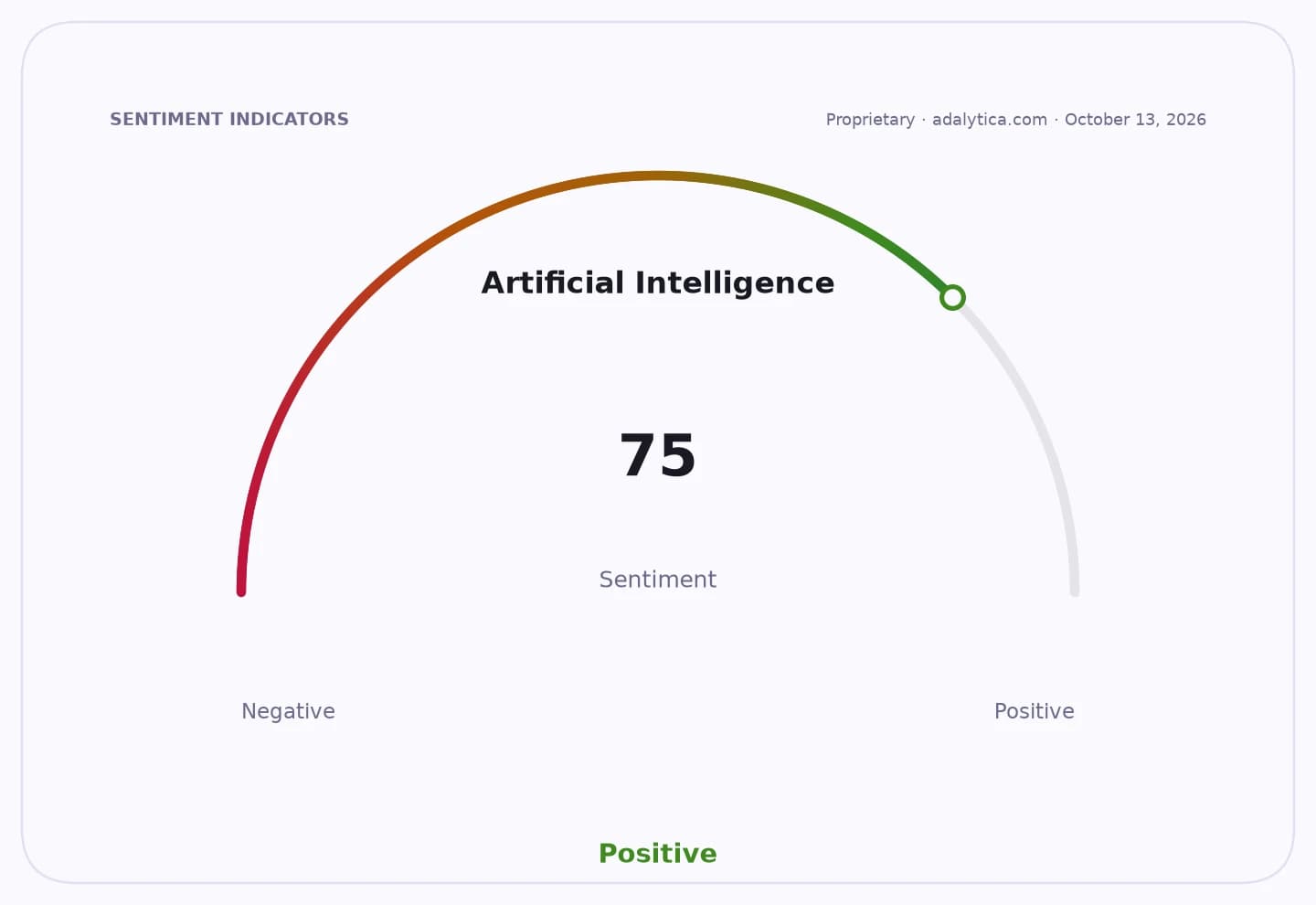
Sentiment IndicatorsⓘProprietary · adalytica.com · October 13, 2026
This is a snapshot — live sentiment, awareness and momentum for 130+ markets update continuously in the dashboard.Open AlphaPulse
KIDO Group said it is making innovation a core pillar for 2026-2030, with subsidiaries including Tuong An, Tho Phat and KIDO Bakery digitizing management, modernizing plants and developing new products. The company said AI is becoming important both for raising operating efficiency and for tracking changing consumer behavior.
Food maker LC Foods said its focus is moving toward an ERP system that links procurement, production, quality control, logistics, sales and finance. The company is also building a 3F chain — feed, farm and food — to tighten supply, improve response times and strengthen control over raw materials, a priority as food companies face pressure on traceability and supply-chain reliability.
In industry, Casumina said it is speeding up digitalization across management, production, sales and product traceability, while aiming to raise localization and deepen ties with domestic supply chains and customers including VinFast, Thaco and Tan Thanh. The company framed the wider expansion of Ho Chi Minh City’s economy as an opportunity, but also as a source of fiercer competition that will reward firms with stronger partnerships and better-connected supply chains.
The shift is not limited to factories. People’s Hospital Gia Dinh said it is moving toward a largely paperless operating model, with patients able to register at kiosks, receive test results online and access information on digital platforms. It has also built an AI chatbot to answer routine questions and ease pressure on front-line staff.
Sacombank said businesses now want more than cheap credit, seeking help with cash-flow management, digital payments and risk controls. The lender said it is offering preferential loans, including interest-rate cuts of as much as 2 percentage points for export-import customers in a nearly 100 trillion dong category, while expanding open banking, virtual assistants and digital payment tools for household businesses.
For investors, the message is that AI adoption in Vietnam’s commercial hub is becoming an earnings lever rather than a branding exercise. Companies that use technology to cut processing times, improve inventory control, tighten traceability and deepen customer data could defend margins even as competition intensifies.
The broader implication is that Ho Chi Minh City’s business cycle is increasingly tied to digital execution: manufacturers need smarter plants, hospitals need faster service delivery and banks need to become operating partners. The next catalysts will be how quickly these projects turn into measurable productivity gains and whether the city’s biggest companies can convert technology spending into stronger revenue growth and market share.
| Entity | Gains | Losses |
|---|---|---|
| KIDO, LC Foods, Casumina | ▲higher efficiency, better data control | ▼slower rivals |
| Hospitals and patients | ▲faster service, less paperwork | ▼legacy manual workflows |
| Sacombank and digital lenders | ▲deeper client relationships | ▼plain-vanilla lenders |
| Exporters and manufacturers using AI | ▲stronger margins, traceability | ▼firms facing rising competition |