Dien May Xanh is moving beyond traditional consumer electronics and into AI and robotics, a shift that could reshape the Vietnamese retailer’s growth model and raise its ticket size as it chases higher-margin future tech rather than simply adding more stores.
Dien May Xanh adds AI and robotics to mix

The chain said it will not open new outlets for now, instead rolling out a new “House of Future” format to showcase products and services it expects to become mainstream over the next five to 10 years. The concept centers on AI and robotics, including home robots, AI that recognizes family habits, smart bedrooms that monitor sleep and health-care technologies.
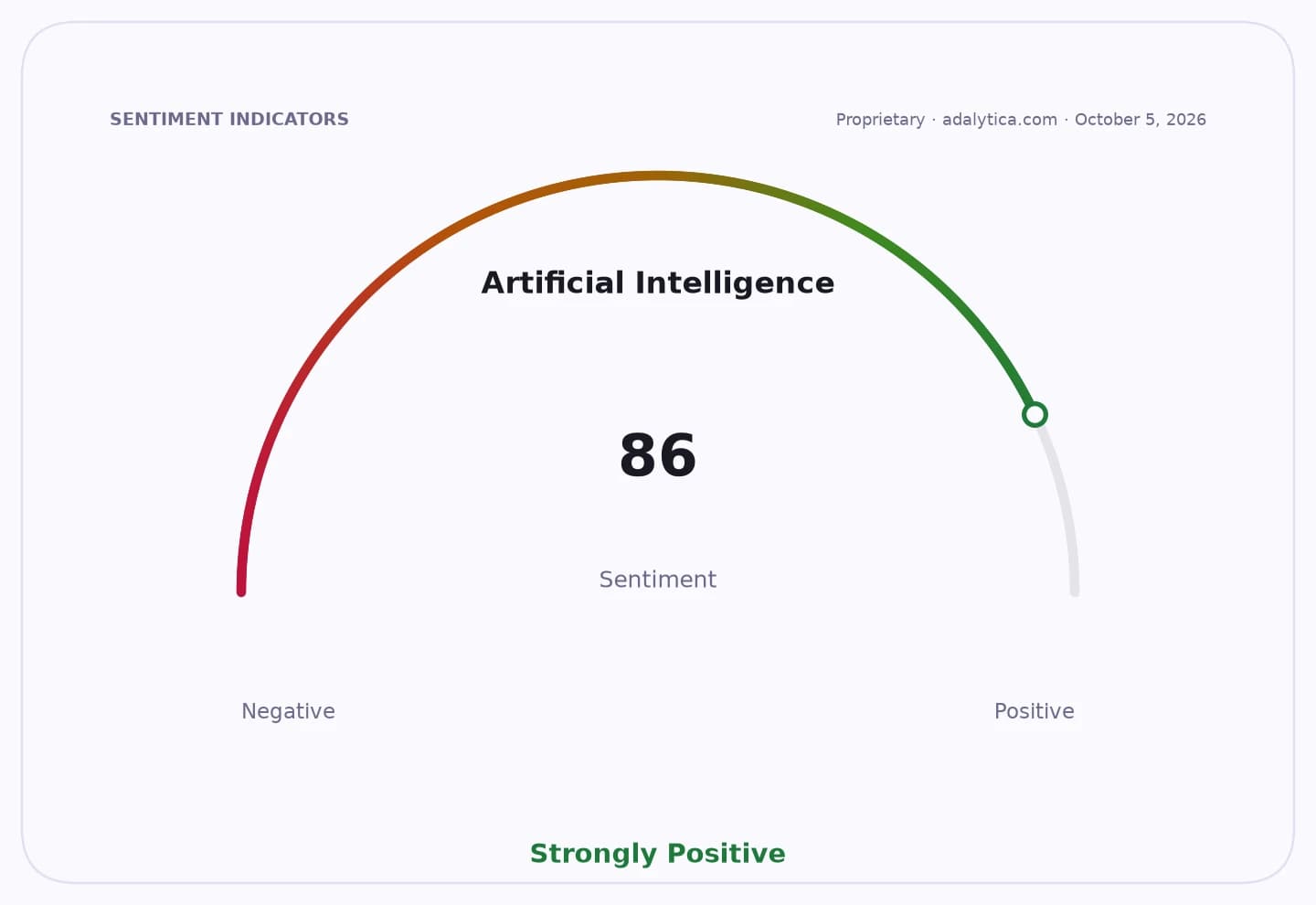
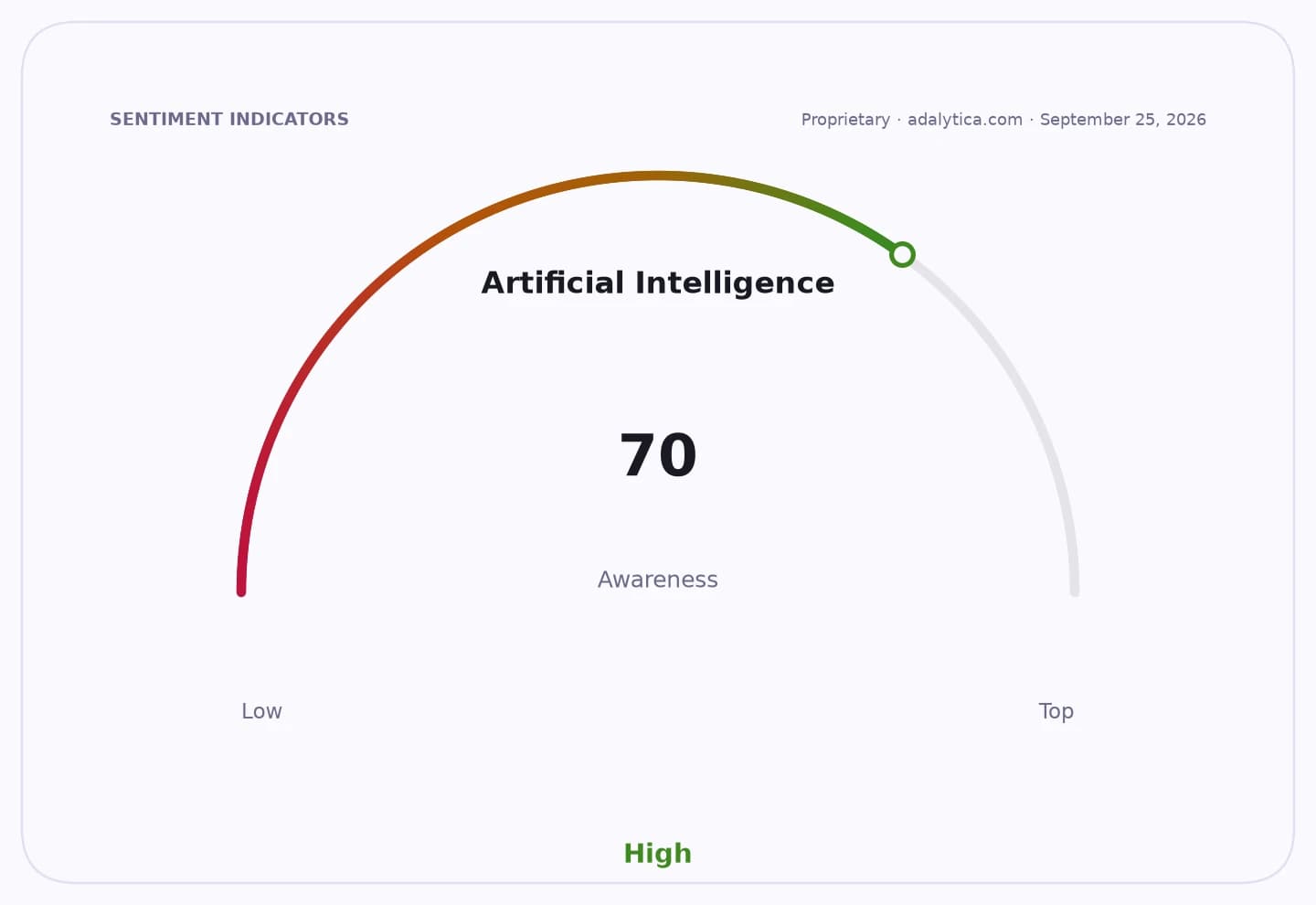
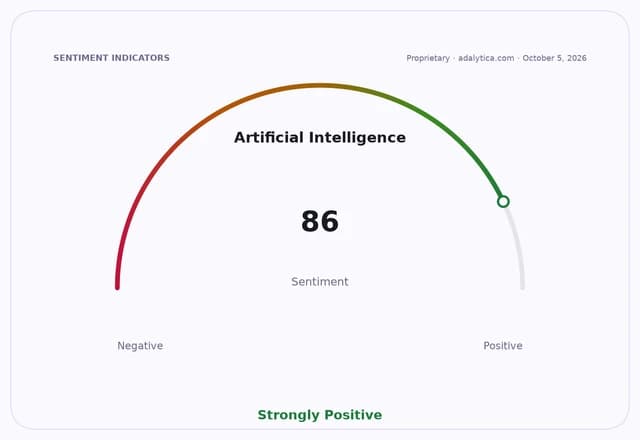
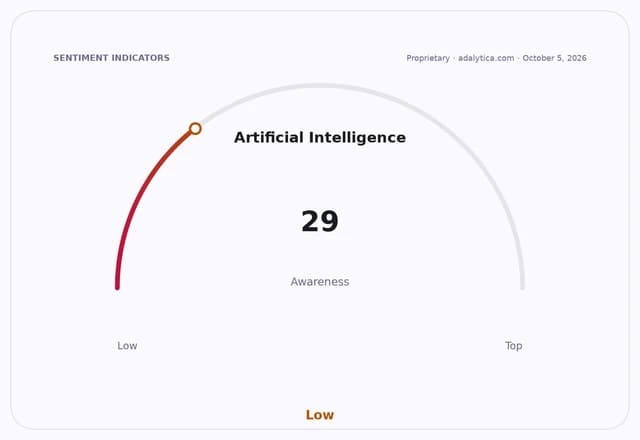
Sentiment IndicatorsⓘProprietary · adalytica.com · October 5, 2026
This is a snapshot — live sentiment, awareness and momentum for 130+ markets update continuously in the dashboard.Open AlphaPulse
For investors, the move matters because it signals a retailer with scale is trying to create a new demand pool before the market fully forms. That can support sales growth without relying only on store expansion, while also positioning Dien May Xanh to sell more expensive, experience-led products as Vietnamese consumers trade up into connected devices and automation.
The company said it has also formally added the AI and robotics category to its merchandise mix after nearly two decades focused on products serving current household needs. That puts it in line with a broader regional push to commercialize physical AI and robotics as labor-saving tools for homes and businesses.
The strategic pivot lands alongside a confidence boost from inside the company. On the same day, CEO and board member Doan Van Hieu Em bought 732,000 DMX shares, completing his previously announced plan to purchase 1 million shares after an earlier 268,000-share buy. He now holds 4.83 million shares.
That follows his sale of 1 million MWG shares on Sept. 25 to reallocate into DMX, underscoring personal conviction in the retailer’s standalone outlook. Insider buying does not change fundamentals by itself, but it often gets attention when management is signaling that growth and valuation upside remain ahead of the market.
Operationally, Dien May Xanh already has momentum to support the expansion. August revenue rose 28% from a year earlier to 11.576 trillion dong and 14% from July, the second-highest monthly tally this year. Revenue for the first eight months reached 87.05 trillion dong, up 29% and equal to 71% of the full-year plan.
The retailer is also betting on the iPhone cycle to keep traffic high into the third quarter, saying it recorded around 80,000 preorders for the iPhone 18 within 24 hours of opening registrations, more than double the preorders for the prior generation. Management expects third-quarter profit to beat the average of the first two quarters and is targeting 2026 after-tax profit above 10 trillion dong, well above its original 7.35 trillion dong commitment.
Dien May Xanh has also been building out financial services around its retail base, including a domestic credit-card tie-up with VietCredit and a strategic partnership with digital bank Cake by VPBank for 2027-2029. The move suggests the chain wants to monetize customer relationships across purchases, financing and after-sales services, not just hardware sales.
The next test is whether AI and robotics can translate from showcase concept to material revenue, and whether the retailer can sustain growth after the iPhone season and year-end buying rush.
| Entity | Gains | Losses |
|---|---|---|
| Dien May Xanh / DMX | ▲New growth categories, higher-margin traffic | ▼Capex and execution risk |
| CEO Doan Van Hieu Em | ▲Signals confidence, larger stake | ▼Concentration risk in DMX |
| Consumers | ▲Access to AI/robotics demos and finance options | ▼Higher-priced purchases |
| Traditional store expansion model | ▲Less dependence on new openings | ▼Slower footprint growth |