U.S. grocers are confronting a consumer and regulatory backlash over electronic shelf labels as shoppers worry that the technology could make everyday food prices less transparent and easier to manipulate.
U.S. Grocers Face Backlash Over Electronic Shelf Labels
That matters because groceries sit at the center of household inflation expectations, and any perception that retailers are using software or artificial intelligence to change prices more often — or differently for some customers — risks deepening distrust at a time when consumers remain highly sensitive to food costs. For investors, the issue cuts directly to pricing power, margin strategy and legal risk across supermarkets and big-box chains.
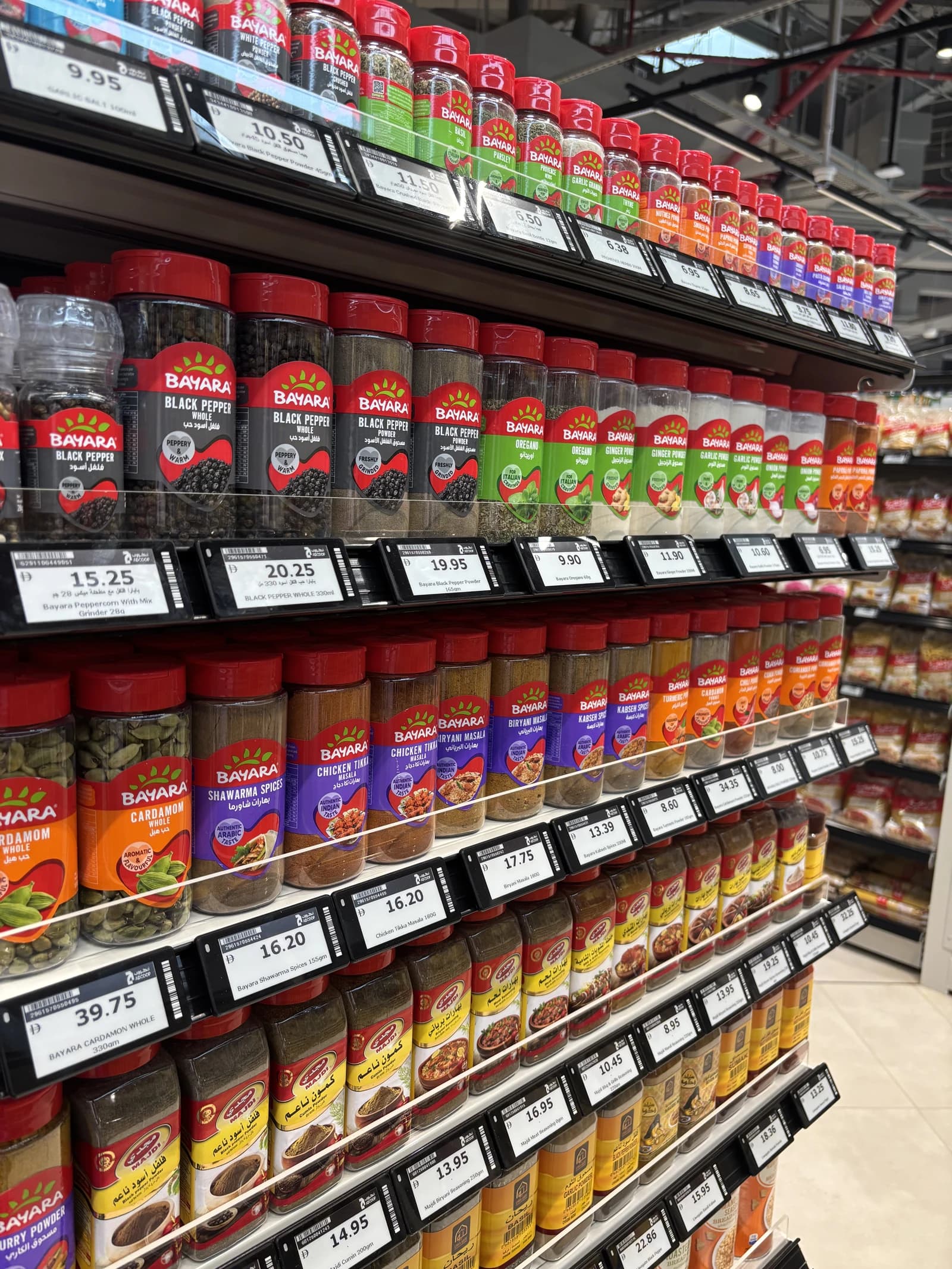
The debate has intensified as digital price tags replace paper labels in more stores, including at Walmart and Whole Foods, even though retailers say the systems mainly reduce labor, speed up updates and improve price accuracy. Walmart chief executive John Furner said last month the labels are not used to raise prices based on the weather, time of day or an individual shopper, adding: “We price the product, not the person.”
Still, the spread of the technology has collided with broader anxiety about algorithmic pricing and “surveillance pricing,” a term used by advocates and some regulators for practices that tailor prices using customer data such as location, browsing history or income. Social media speculation has amplified fears that digital shelf labels could enable personalized prices, even though retailers and pricing specialists say frequent intraday changes remain rare in grocery and general merchandise.
The economics are straightforward. Retailers face thin margins, higher labor costs and pressure to adjust faster to supply conditions, competitors’ promotions and changing demand. Electronic labels can lower the cost of updating thousands of shelf tags and make markdowns or promotions easier to execute. The upside for chains is operational efficiency and potentially better inventory management. The downside is reputational damage if shoppers conclude the technology is being used to squeeze them.
That tension is already drawing in policymakers. Legislators in at least 30 states have considered pricing bills this year, according to the National Conference of State Legislatures, while the Federal Trade Commission has proposed an enforcement policy warning that failing to disclose the use of personal data to set individualized prices could violate consumer protection law. Maryland, New Jersey and Connecticut have already enacted restrictions on using personal data in pricing decisions, with grocery-specific limits in the first two states.
The issue is not just theoretical. California prosecutors previously sued Target over app-based price changes and the company later agreed to a $5 million settlement and a ban on geofencing used to increase prices. Consumer groups have also challenged Instacart over differing prices shown to shoppers, highlighting how pricing tests can quickly become public controversies even when companies say they are not personalizing prices.
For grocers, the risk is that what was once a back-office technology story becomes a consumer trust issue. A chain that gains from faster repricing may lose if shoppers believe prices are being changed behind the scenes without clear disclosure. For regulators, the concern is whether algorithmic tools, even if not overtly personalized, can still facilitate discrimination or coordinated pricing.
Kroger’s shares, like those of peers, remain tied less to the labels themselves than to the broader question of how much pricing flexibility retailers can exercise without provoking backlash. The company and its competitors will likely keep adopting digital tools, but the next phase will hinge on transparency, disclosure and how far regulators are willing to draw the line between efficiency and surveillance.
| Entity | Gains | Losses |
|---|---|---|
| Grocery chains | ▲Lower labor costs, faster repricing | ▼Consumer trust, regulatory scrutiny |
| Walmart and peers | ▲Better pricing accuracy | ▼Backlash over perceived surveillance pricing |
| Shoppers | ▲Potentially fresher shelf prices | ▼Fear of opaque or unfair pricing |
| Regulators and lawmakers | ▲Stronger consumer protection role | ▼Need to police complex pricing tech |