A cyberattack that crippled refrigeration systems at hundreds of European supermarkets has exposed a weak point in grocery retail that could carry direct financial and operational consequences for U.S. chains, where more equipment is now tied to the internet.
European grocery cyberattack hits refrigeration systems
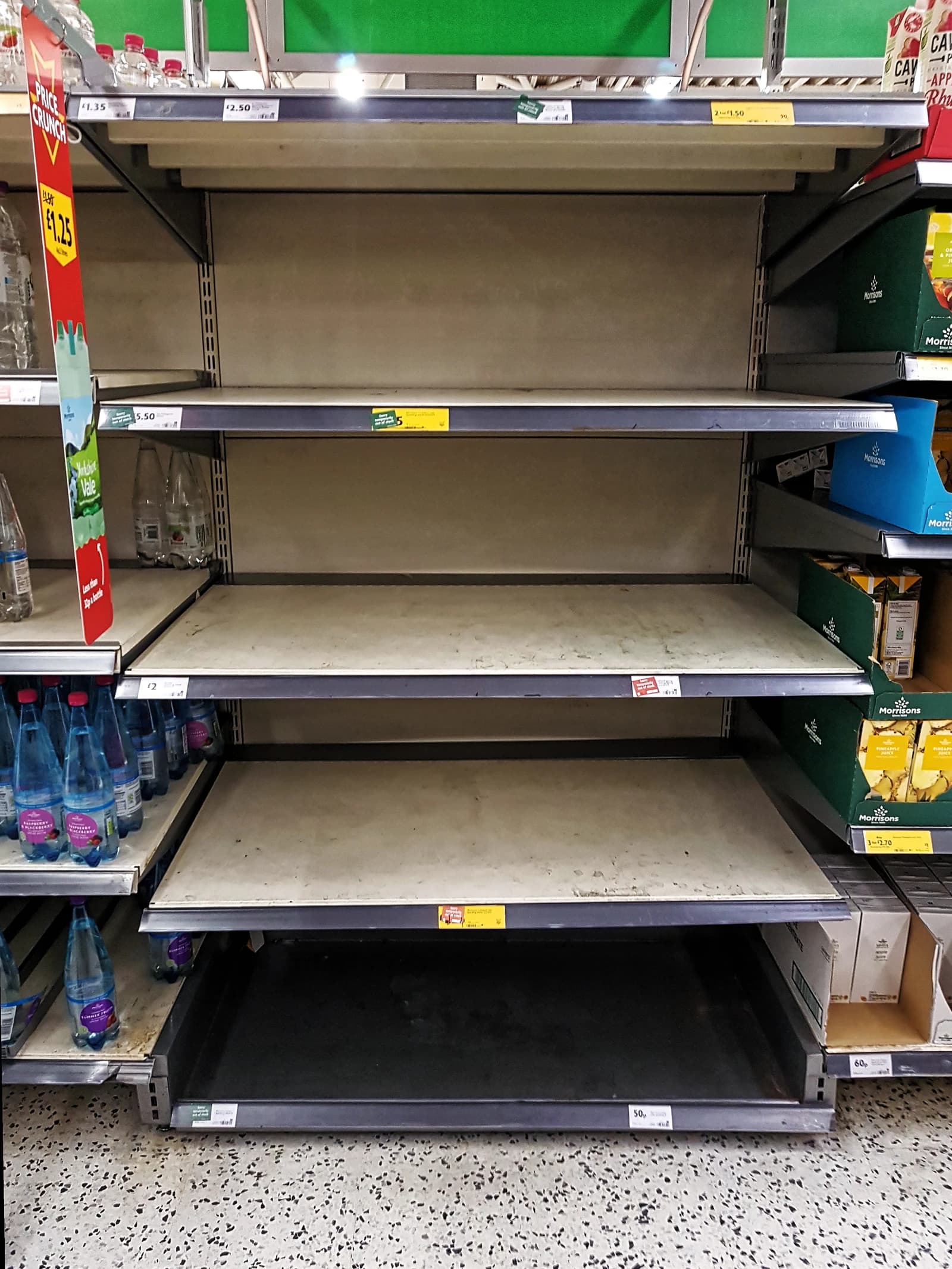
The incident affected about 700 stores across France, Spain, Portugal, Poland and Germany, according to reports, with hackers reportedly forcing refrigeration display cases into defrost cycles and leading to spoiled inventory that had to be discarded. No group has claimed responsibility or sought a ransom, but the attack is a reminder that cyber risk in retail is no longer limited to payment systems, customer data or website outages. It can now hit the cold chain itself.
Sentiment IndicatorsⓘProprietary · adalytica.com · October 18, 2026
This is a snapshot — live sentiment, awareness and momentum for 130+ markets update continuously in the dashboard.Open AlphaPulse
That matters economically because refrigeration failures strike a retailer’s margins in multiple ways at once: they destroy inventory, interrupt sales, create labor and cleanup costs, and can trigger claims or regulatory scrutiny if food safety is compromised. For grocers, especially those operating with thin margins and high inventory turnover, even a localized outage can quickly turn into a meaningful hit to earnings. The fact that the attack spread across multiple countries also suggests a scalable threat model rather than an isolated nuisance.
The warning is especially relevant for the U.S. supermarket sector, where major chains such as Costco, Walmart and Kroger run large, distributed food networks and increasingly rely on connected controllers and automated systems. Those companies already flag cybersecurity in regulatory filings as a material operational risk, citing potential disruption to systems, reputational damage, litigation and government enforcement. This episode shows why that language is no longer boilerplate. A vulnerability in a single vendor platform or remote-access tool could cascade across a broad store base.
For investors, the question is not whether grocers can absorb one attack, but how much it could cost if such an event hit a large U.S. chain during a high-volume period or in a hot-weather season, when refrigerated stock is especially vulnerable. The direct earnings risk is likely to be small for a mega-cap operator if contained quickly. But the second-order effects — insurance premiums, compliance costs, technology spending and potential store downtime — could add up, particularly if incidents become more frequent or if retailers have to harden older store infrastructure.
The market backdrop also matters. Grocery stocks tend to be viewed as defensive, but cyber incidents introduce a less predictable operating risk that can compress that reputation for stability. Walmart and Costco have both seen strong share performance this year, while Kroger has remained more tied to execution and margin trends. None of them appears to face immediate market pressure from the European hack, but the event reinforces a broader thesis: digital resilience is becoming part of the valuation case for essential retailers, not just their back-office expense line.
The likely response is accelerated spending on segmentation, vendor access controls and remote monitoring of refrigeration and other store systems. That will help suppliers of industrial automation and cybersecurity tools, while raising the cost of doing business for grocers that need to retrofit older infrastructure. The bear case is that the industry remains too fragmented and too dependent on third-party hardware and software to eliminate the risk entirely. The bull case is that a visible cross-border attack forces faster investment before a U.S. incident can cause larger losses.
| Entity | Gains | Losses |
|---|---|---|
| Cybersecurity vendors | ▲Higher demand | ▼Slower IT budgets at grocers |
| Large grocery chains | ▲Better risk controls | ▼Higher operating costs |
| Hackers | ▲Demonstrated leverage | ▼Greater scrutiny |
| Consumers and food suppliers | ▲More resilient supply chains | ▼Spoiled inventory and store disruption |