Ledger said a sophisticated group spent millions of dollars modifying its hardware wallets, a breach that exposed a weak link in crypto security that sits outside the devices themselves and inside the distribution chain.
Ledger hardware wallets hit by supply-chain tampering
The French wallet maker said the attack involved criminals buying authentic Ledger devices, opening them, installing hidden electronic components and then reselling the altered products through distributors in Southeast Asia and Hong Kong. The implants were designed to capture recovery phrases during setup, giving attackers the keys to drain wallets after purchase. Ledger said the operation was built over months and included servers to collect stolen credentials and infrastructure to move and launder the proceeds.
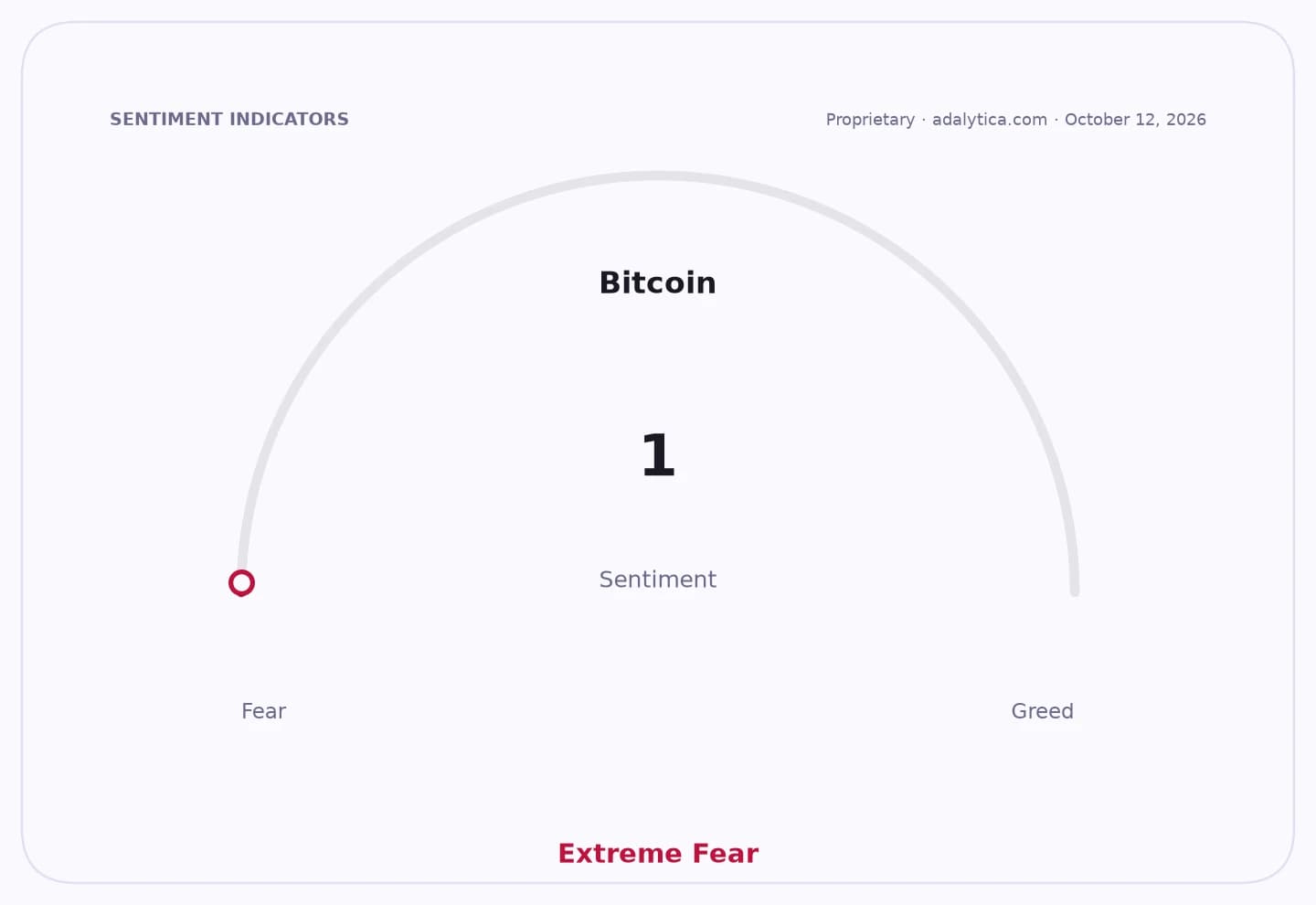
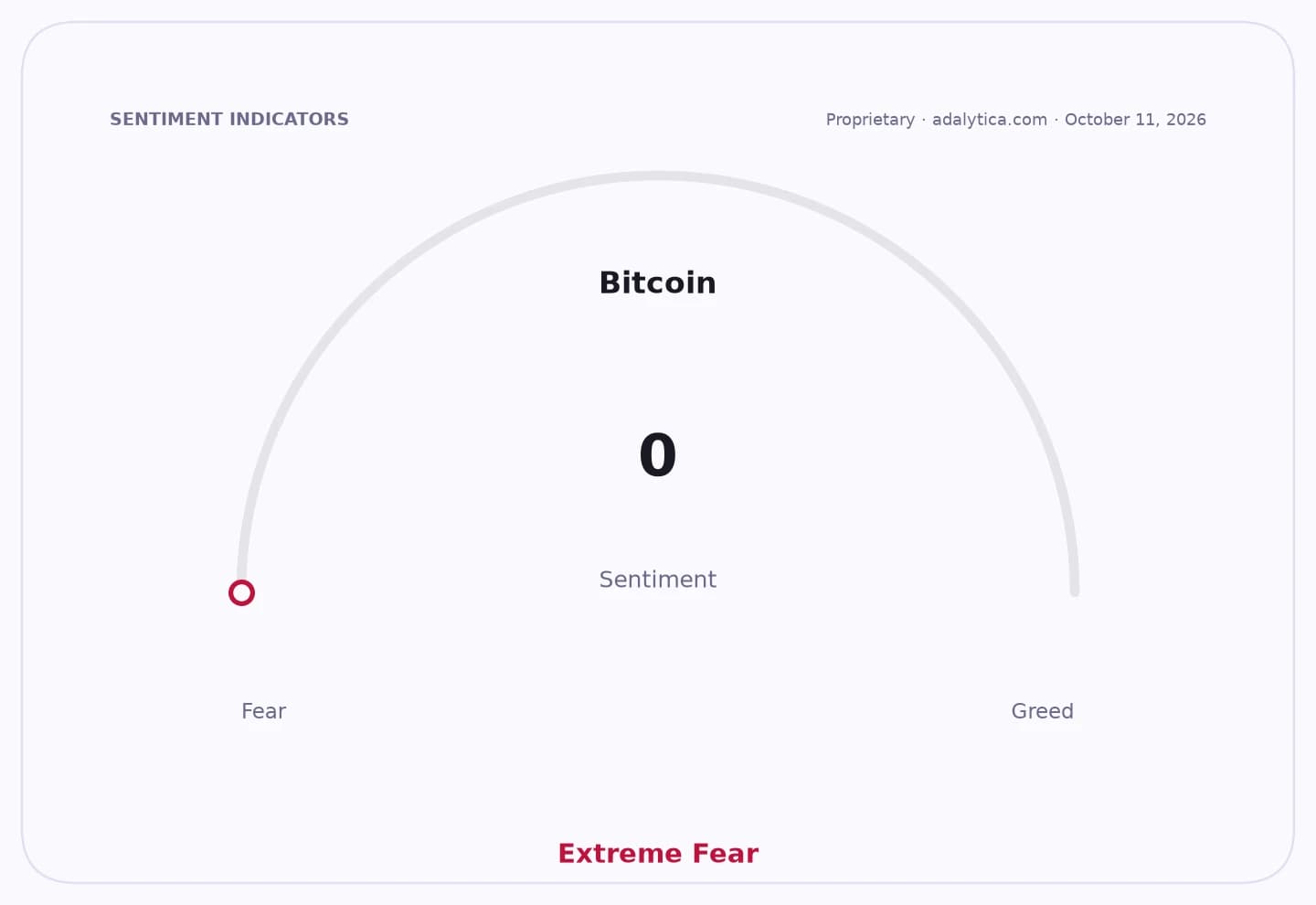
Sentiment IndicatorsⓘProprietary · adalytica.com · October 19, 2026
This is a snapshot — live sentiment, awareness and momentum for 130+ markets update continuously in the dashboard.Open AlphaPulse
The episode matters economically because it shifts the threat from software exploitation to physical supply-chain tampering, a more capital-intensive form of theft that is harder for users to detect and for vendors to prevent. In practical terms, it raises the cost of trust in crypto infrastructure. Hardware wallets are meant to be the safest way to store digital assets offline; if criminals can compromise them before they reach customers, the security premium investors pay for self-custody products narrows.
Ledger said the confirmed thefts so far are limited to Southeast Asia, and it has not verified any losses linked to devices bought in other markets. Still, the company’s response suggests the risk is broader than the known cases. It has asked authorized sellers to suspend sales in Southeast Asia and Hong Kong, told them not to resell returned units, and barred display models from being left on shelves or in store windows. It is also requiring retailers to report unusual products immediately.
For investors, the implications extend beyond Ledger’s brand. The incident reinforces a growing theme in digital assets: operational risk, not just market volatility, is becoming a bigger determinant of adoption and regulation. Exchanges, wallet makers and other crypto infrastructure providers are now being judged on their ability to police distribution channels, customer onboarding and recovery processes as much as on cryptographic design. That tends to benefit larger, better-capitalized firms with the resources to tighten controls and work with law enforcement, while smaller resellers and gray-market distributors face higher compliance costs and more scrutiny.
Ledger said it is working with police and cybersecurity specialists, including SEAL 911, to trace the stolen funds and dismantle the infrastructure behind the attack. The company also said its internal security lab found no evidence of tampering in products tested in other markets, including units bought in Germany and samples from warehouses. Even so, the case is likely to accelerate pressure on hardware-wallet makers to redesign packaging, tracking and activation procedures to make post-manufacture tampering harder to pull off.
| Entity | Gains | Losses |
|---|---|---|
| Ledger | ▲Stronger security credibility if reforms work | ▼Reputation hit from supply-chain breach |
| Crypto users | ▲Tighter retail controls and safer onboarding | ▼Higher friction and fewer retail displays |
| Authorized resellers | ▲Clearer compliance rules | ▼Lower sales flexibility, more costs |
| Criminal networks | ▲None | ▼Asset seizures, law enforcement pressure |