India’s campaign against fake and unsafe food is moving from a state-level crackdown in Maharashtra toward a nationwide regulatory push, raising the stakes for grocers, food-delivery platforms and packaged-food suppliers in one of the world’s fastest-growing consumer markets.
India Food Safety Rules Tighten for Grocers, Delivery
The shift matters because food safety is no longer just a public-health issue; it is becoming a compliance and distribution issue that can reshape margins, product sourcing and brand trust across the supply chain. Tighter rules, stronger inspections and clearer responsibility for food sold online and in institutional settings such as schools and hospitals could increase costs for sellers, but also help formalize the sector and reward players with better traceability and operating controls.
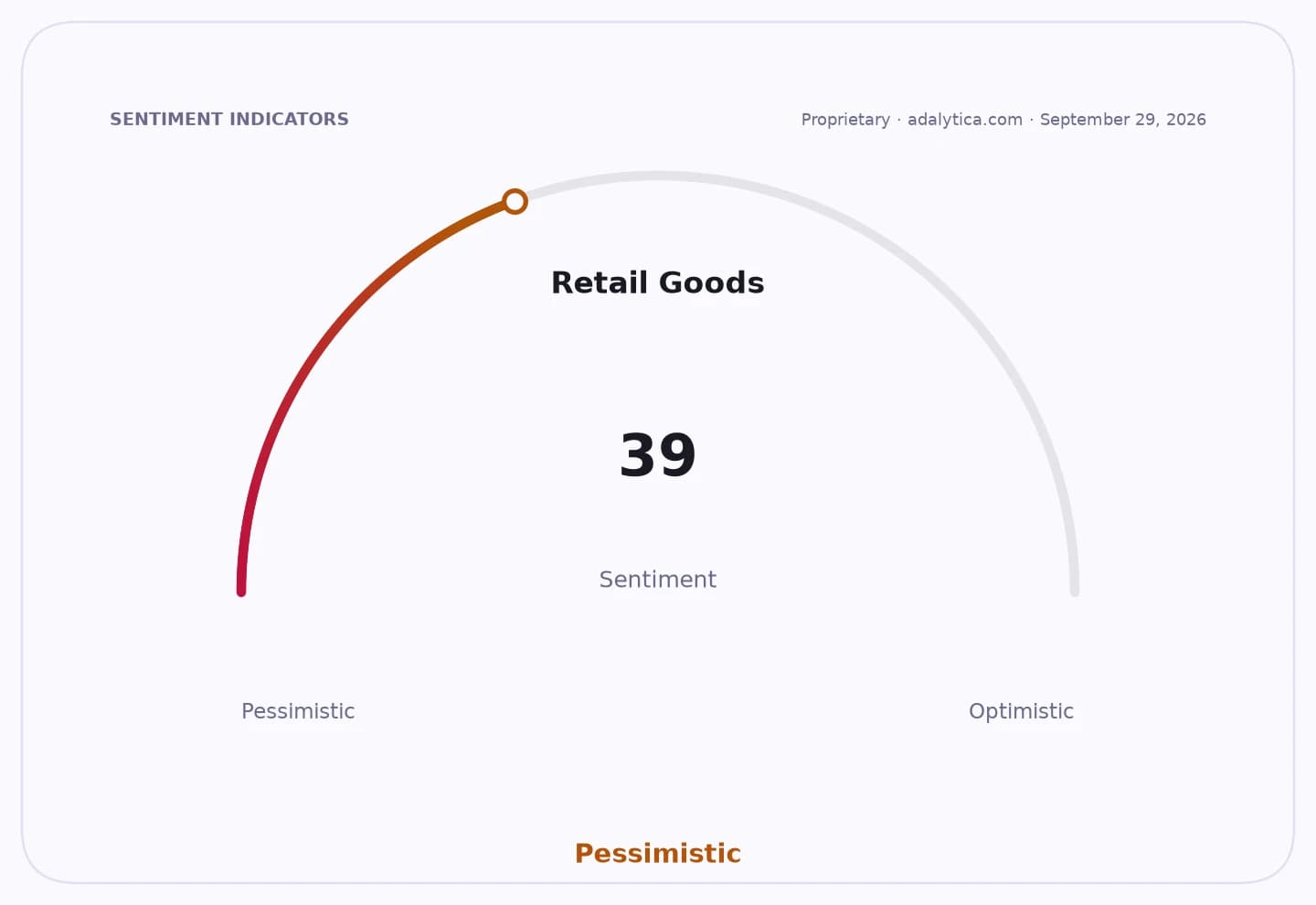
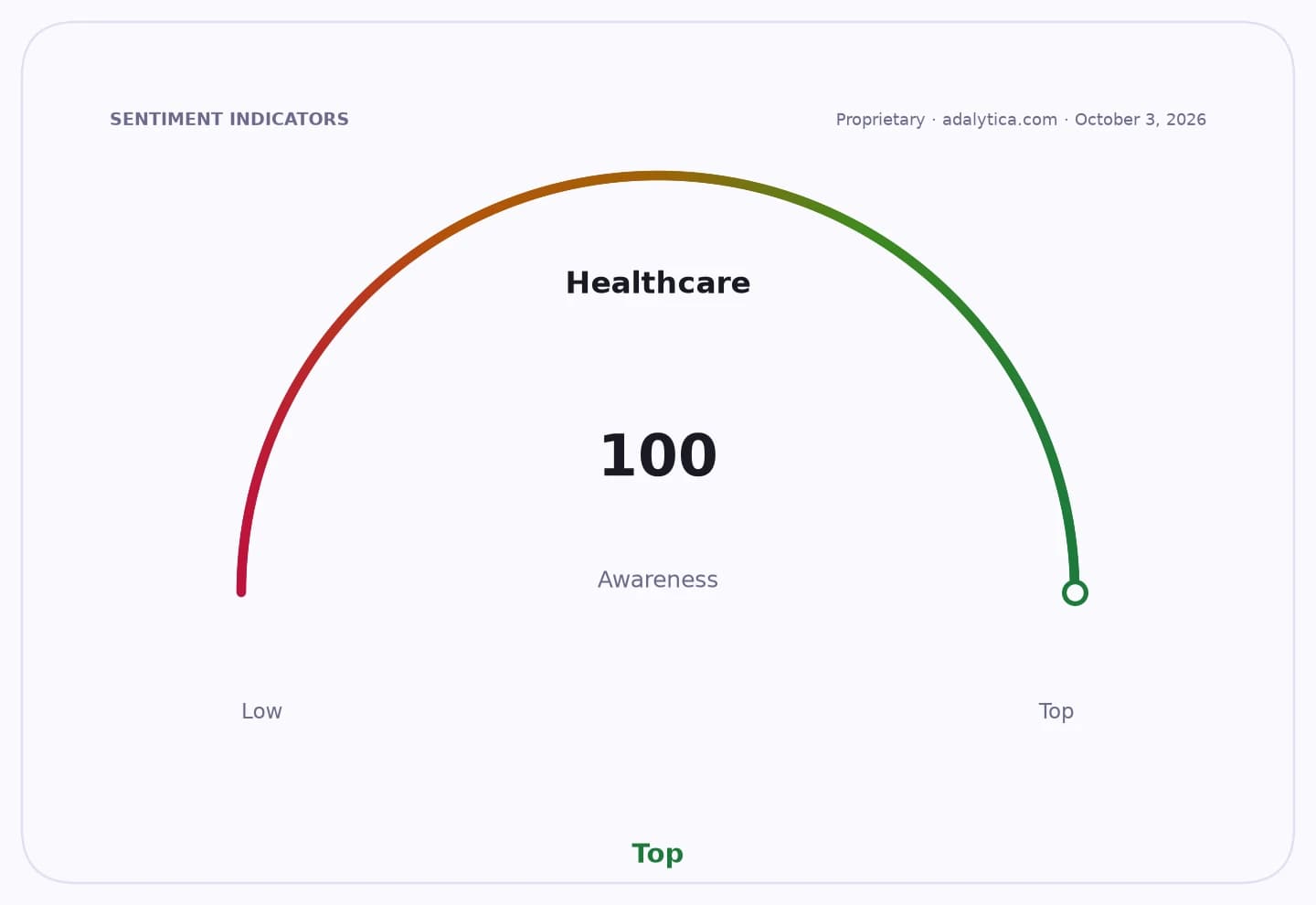
Sentiment IndicatorsⓘProprietary · adalytica.com · October 1, 2026
This is a snapshot — live sentiment, awareness and momentum for 130+ markets update continuously in the dashboard.Open AlphaPulse
The amended Food Safety Bill, according to the briefing, would impose stricter standards on online food delivery services and create Food Safety Branches in 34 provinces and cities to unify enforcement from the center to local authorities. That would address a long-standing weakness in India’s food system: patchy oversight across a sprawling network of small vendors, fast-growing digital platforms and fragmented local jurisdictions.
For investors, the most immediate implication is that regulatory scrutiny could tighten around every layer of the food chain. Large retailers and organized supermarket groups such as Walmart’s India-relevant supply chains, Costco’s packaged-goods ecosystem and Kroger’s grocery model are less exposed than informal sellers, but they are not immune to higher compliance burdens, import checks and certification delays. Companies with robust cold-chain logistics, supplier audits and traceability systems may gain market share if smaller rivals are forced to adapt or exit.
The policy also speaks to a broader economic trend: as incomes rise and online food consumption expands, consumers are demanding safer, more standardized products. That can support premiumization and formal retail penetration over time, but it usually comes with short-term friction in the form of inspections, documentation costs and disruption to lightly regulated channels. The law’s focus on “source-to-sale” oversight suggests authorities want to move away from reactive enforcement after outbreaks and toward a more preventive model.
The market backdrop is mixed. U.S. retailers and grocery stocks have been trading on their own company-specific fundamentals, but broader risk appetite has weakened, with the S&P 500’s trade signals still showing neutral sentiment and elevated fear in Adalytica’s gauge. In that environment, investors tend to favor businesses with predictable margins and low regulatory surprise. A nationwide food-safety push in India could reinforce that preference by widening the gap between organized operators and weaker competitors.
Still, the bull case is that cleaner rules can lift the entire sector by improving consumer trust and reducing the reputational damage that periodically hits food businesses after contamination scandals. The bear case is that enforcement-heavy implementation could raise operating costs faster than companies can pass them on, squeezing margins in an already price-sensitive market.
What to watch next is whether Maharashtra’s enforcement drive becomes a template for other states and how quickly the central bill translates into inspections, licensing changes and penalties. If the rollout is consistent, the policy could accelerate formalization in India’s food economy and become a longer-term advantage for scale players with the systems to absorb compliance demands.
| Entity | Gains | Losses |
|---|---|---|
| Organized grocers | ▲Better trust, share gains | ▼Higher compliance costs |
| Food-delivery platforms | ▲Cleaner market position | ▼Tighter operating rules |
| Small informal vendors | ▲— | ▼Inspection pressure |
| Consumers | ▲Safer food supply | ▼Possible price increases |