Ghana is moving to turn its 2025-2030 trans fat elimination plan into enforceable food policy, with stakeholders asking the National TFA Multi-Sectoral Technical Working Group to draft the documents needed to ban partially hydrogenated oils and tighten standards across the food system.
Ghana moves to ban partially hydrogenated oils
The push matters because PHOs are a major source of industrial trans fat, which health officials say is tied to cardiovascular disease, diabetes, cancers and hypertension. The World Health Organization has said non-communicable diseases account for 43% of deaths in Ghana, and the new forum framed the ban as a direct response to that burden.
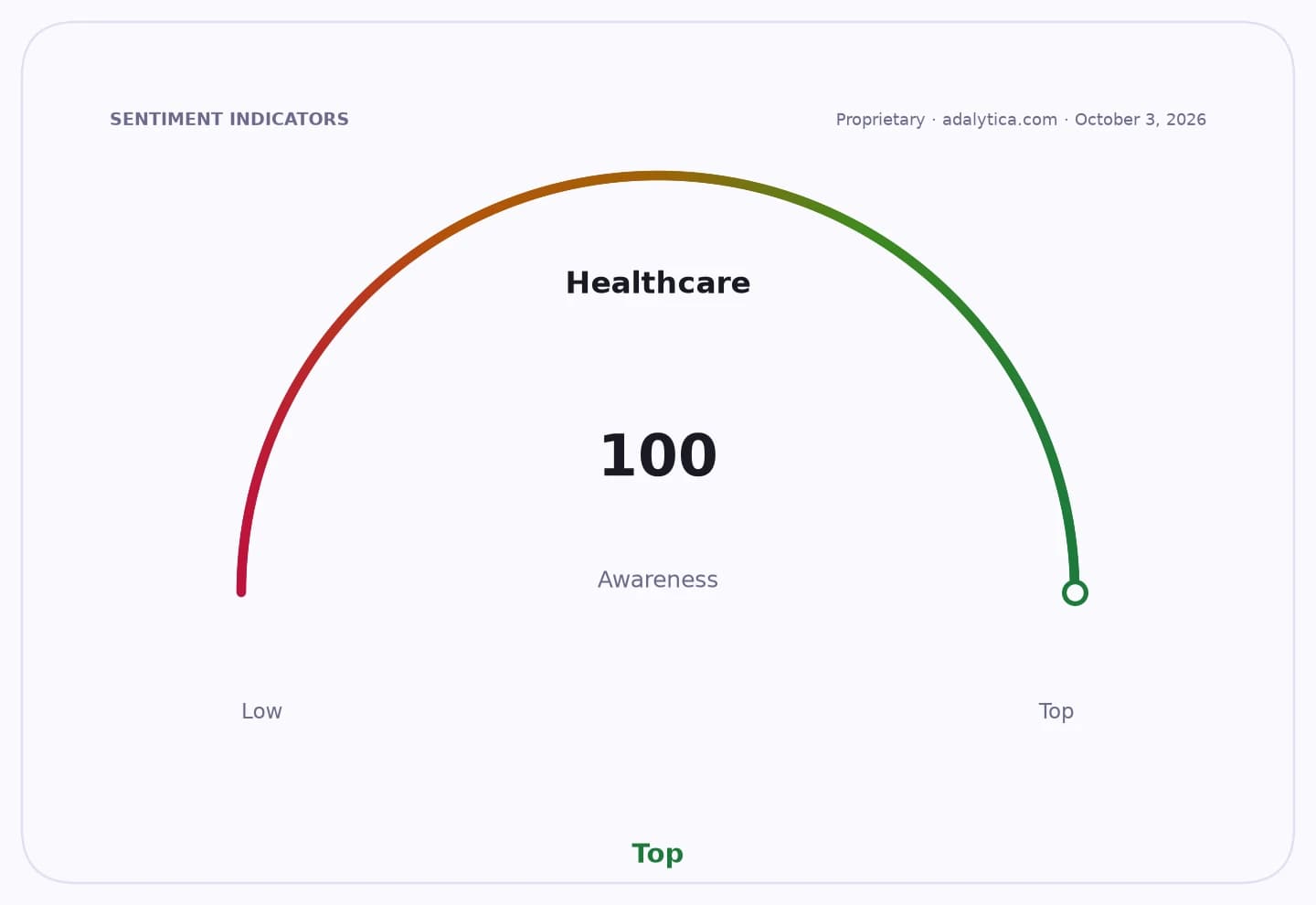
Sentiment IndicatorsⓘProprietary · adalytica.com · October 3, 2026
This is a snapshot — live sentiment, awareness and momentum for 130+ markets update continuously in the dashboard.Open AlphaPulse
The first national high-level forum on the strategy, held in Accra and backed by the Ministry of Health and INSLA, urged authorities to incorporate the 2 grams per 100 grams fats limit into food standards and to move the PHO ban into product rules for oils and other foods. That would give regulators a clearer enforcement path and force manufacturers, retailers and importers to reformulate products or risk losing market access.
For investors and companies in the food chain, the implications extend beyond public health. Food manufacturers, oil importers, retailers and restaurant suppliers may face reformulation costs, new testing requirements and tighter labeling or compliance checks, while companies that already use non-PHO formulations could gain a competitive edge.
Officials also want the government to build testing capacity, launch public awareness campaigns and secure sustainable financing, underscoring that the proposal is not just a health campaign but a regulatory and supply-chain overhaul. Dr. Hafez Adam Taher of the Health Ministry said the next step requires “coordinated action, clear responsibilities, adequate financing, and effective monitoring.”
The key investor question is timing: Ghana has already launched its strategy, but the pace of standard-setting, laboratory upgrades and industry consultation will determine how quickly the ban becomes binding. If the working group delivers a concrete draft and implementation timeline, the move could set up one of West Africa’s more aggressive anti-trans-fat regulatory regimes.
| Entity | Gains | Losses |
|---|---|---|
| Ghana health authorities | ▲Stronger public-health mandate | ▼Implementation burden |
| Consumers | ▲Lower trans-fat exposure | ▼Possible price pass-through |
| Reformulating food makers | ▲Compliance advantage | ▼Reformulation costs |
| PHO/oil suppliers | ▲— | ▼Demand risk and tighter standards |