Walmart is drawing a hard line against AI-powered personalized pricing, saying it will not charge shoppers different amounts based on who they are, what they earn or even the weather, as U.S. regulators and lawmakers ramp up pressure on retailers over dynamic pricing.
Walmart Rejects AI Personalized Pricing
The commitment matters because Walmart is the country’s biggest grocer and one of the most visible test cases for how artificial intelligence and digital shelf labels may be used in mass retail. With inflation still a sensitive issue for consumers and Washington increasingly wary of price discrimination, the company is trying to defuse a political and reputational risk before it becomes a business problem.
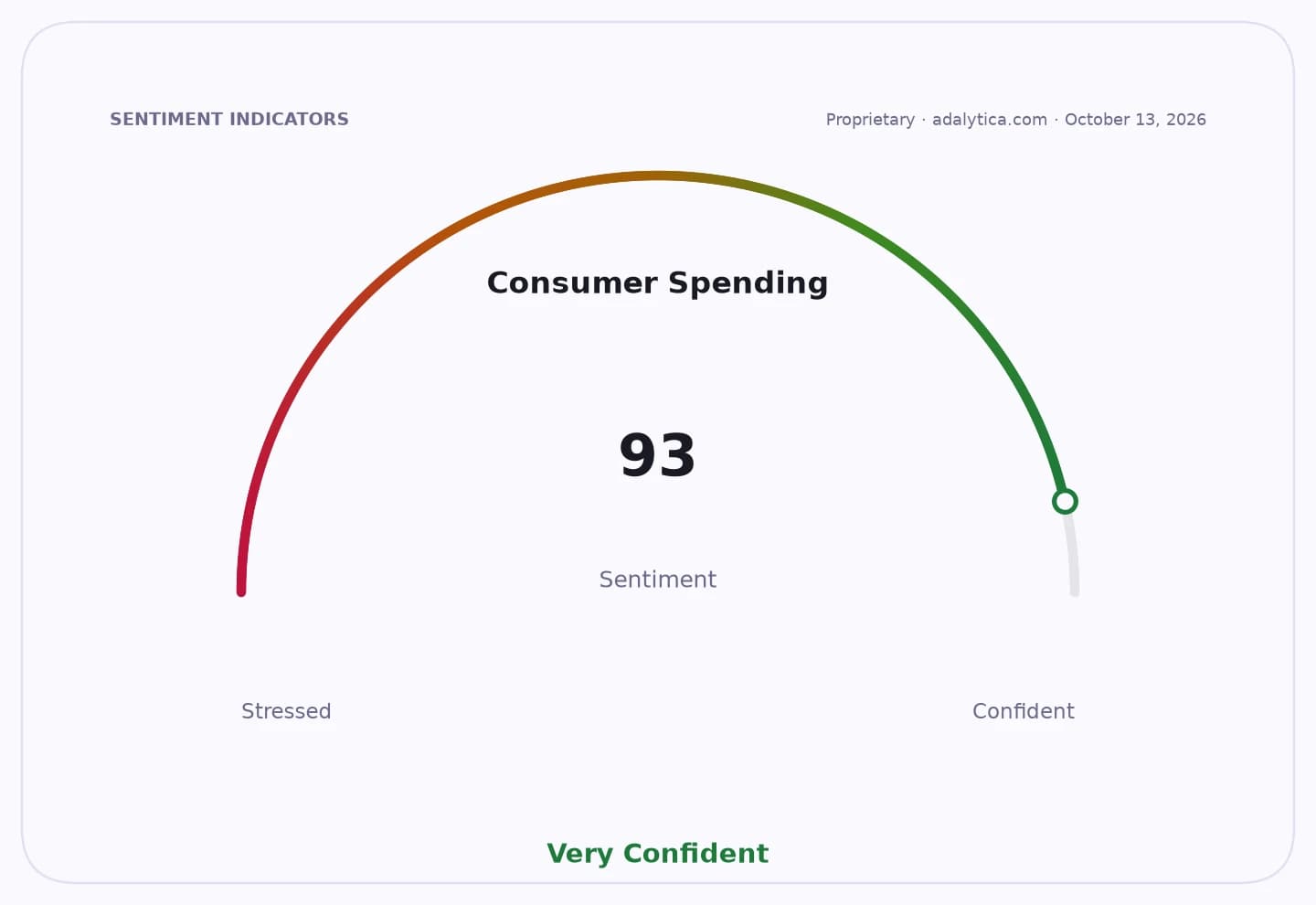
Sentiment IndicatorsⓘProprietary · adalytica.com · October 2, 2026
This is a snapshot — live sentiment, awareness and momentum for 130+ markets update continuously in the dashboard.Open AlphaPulse
In a rare open letter, Walmart U.S. chief John Furner said the retailer will not use customer data, its AI shopping assistant or electronic shelf labels to set different prices for different shoppers. “We do not set prices based on who you are, what time of day it is, or anything else,” Furner wrote, adding that income, purchase history and urgency would not affect pricing.
The pledge comes as Walmart has already been leaning more heavily on automation in pricing. The company secured two patents earlier this year tied to machine learning and demand forecasting, including one that described pricing recommendations using data such as purchases, payment methods and customer identification. That has fed concerns that retailers could move from broad promotion management to individualized pricing models.
The timing is also politically charged. The letter landed on the final day of a public comment period for a proposed FTC enforcement policy warning firms they could run afoul of the law if they fail to disclose the use of personal data in pricing. Lawmakers from both parties have also been pressing companies over pricing practices, with Republican Senator Josh Hawley and top House Democrat Frank Pallone among those raising alarms.
For investors, the key issue is not whether Walmart can tweak prices in response to demand — it already does that in the normal course of retail — but whether it can keep using technology to protect margins without triggering a consumer backlash or regulatory crackdown. Walmart’s shares have outperformed in 2026, trading near $104 after a sharp pullback from August highs, while larger peers such as Target and Costco have also remained under pressure to defend value propositions in a sticky inflation environment.
Walmart said its electronic shelf labels do not contain cameras, microphones or facial-recognition tools and that every customer sees the same price on the shelf. That message is meant to reassure shoppers, but it also signals that the next battleground in retail pricing will be transparency: how much algorithmic flexibility stores can use before consumers and regulators decide it looks like discrimination.
The issue is likely to stay in focus as the FTC finalizes its approach and as retailers head into the critical holiday period, when pricing scrutiny and political attention to inflation tend to rise.
| Entity | Gains | Losses |
|---|---|---|
| Walmart | ▲Public trust | ▼Flexibility on personalized pricing |
| FTC and lawmakers | ▲Regulatory leverage | ▼Less ambiguity in enforcement |
| Consumers | ▲Price transparency | ▼Potential upside from individualized discounts |
| Target and Costco | ▲Competitive clarity | ▼Pressure to explain pricing tools |