Walmart is expanding its U.S. delivery network with a new 900,000-square-foot fulfillment center in Stockton, California, a move designed to cut shipping times across the West Coast and strengthen its e-commerce edge against Amazon and other rivals.
Walmart opens Stockton fulfillment center
The facility is Walmart’s fifth next-generation fulfillment center and is expected to create more than 1,000 local jobs. For investors, the key takeaway is not the real estate footprint but the operational payoff: denser logistics capacity should help Walmart push orders out faster in California and neighboring states, where delivery speed remains a major battleground in online retail.
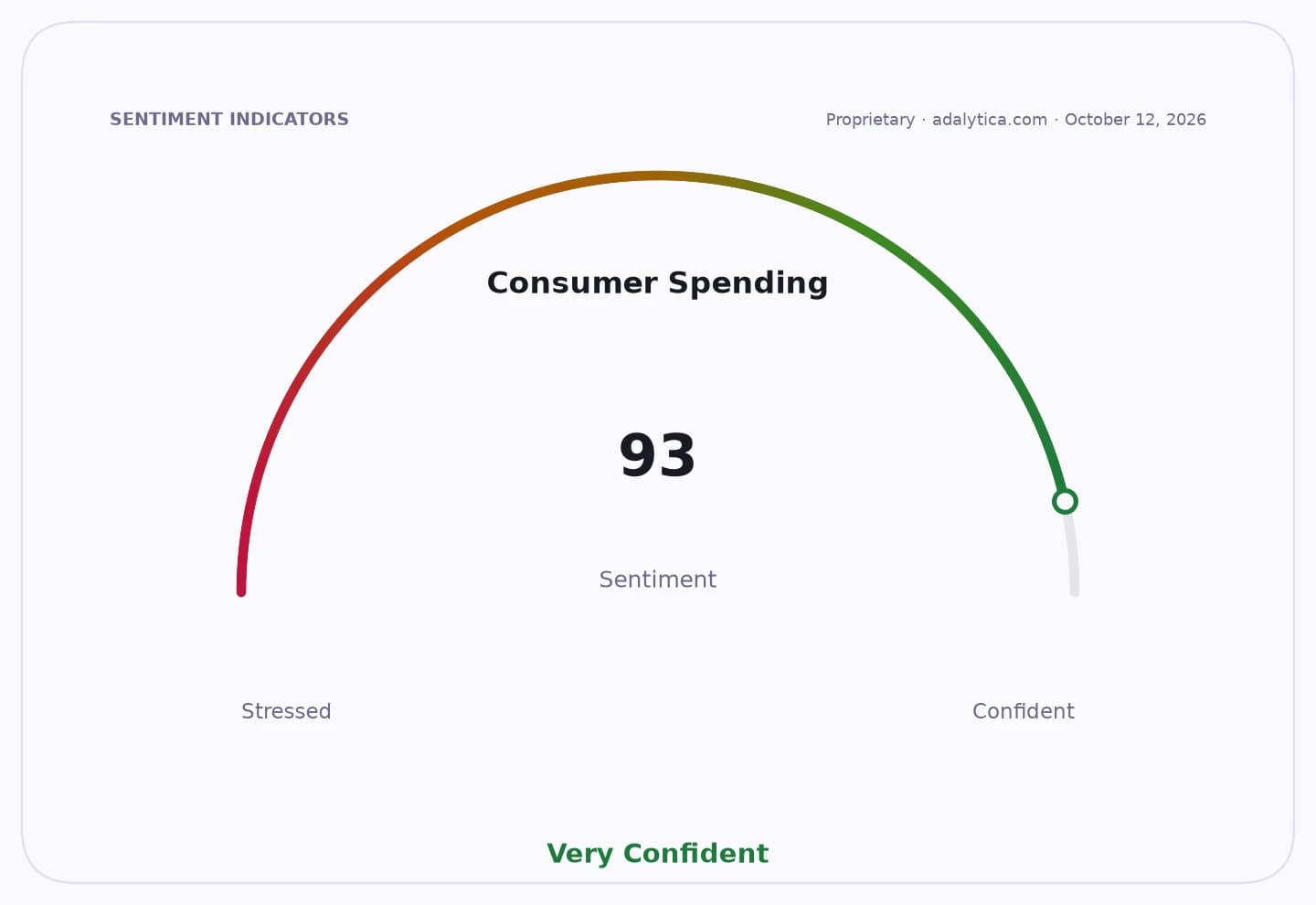
Sentiment IndicatorsⓘProprietary · adalytica.com · October 12, 2026
This is a snapshot — live sentiment, awareness and momentum for 130+ markets update continuously in the dashboard.Open AlphaPulse
The opening fits Walmart’s broader strategy of using automation and distribution infrastructure to support rising digital demand while protecting margins in a low-price business. Faster fulfillment can boost customer satisfaction and conversion, but it also requires steady capital spending and can add to shipping and fulfillment costs if volumes do not keep pace.
The expansion comes as Walmart works to reassure customers and investors on pricing after clarifying this week that it does not use personal data for individualized price setting. That mattered because the company has been caught up in a wider debate over how artificial intelligence is being deployed in consumer pricing, even as it leans more heavily on automation behind the scenes.
The stock has been firm, with shares adding 7.3% over the past week in the context of a broader retail sector that is still chasing resilient consumer spending. Standard technical indicators also show the shares trading above the 50-day moving average but below the 200-day moving average, while RSI readings suggest momentum is no longer stretched after earlier gains.
Walmart will now face the market’s next test in its upcoming quarterly results and fresh U.S. inflation data, both of which will help show whether heavier logistics investment is translating into durable sales and profit growth.
| Entity | Gains | Losses |
|---|---|---|
| Walmart | ▲Faster deliveries, stronger e-commerce reach | ▼Higher capital spending |
| West Coast shoppers | ▲Shorter shipping times | ▼Less chance of price relief |
| Amazon | ▲More pressure on last-mile competition | ▼Slower relative fulfillment advantage |
| Logistics workers in Stockton | ▲1,000+ new jobs | ▼Automation may cap long-term labor growth |