Walmart’s multibillion-dollar warehouse automation drive is running into costly limits, with robots still struggling to handle heavy goods, cardboard boxes and other mundane tasks that are central to moving inventory through the world’s biggest retailer’s supply chain.
Walmart warehouse automation faces cost and reliability issues

That matters because Walmart is betting automation will eventually lower labor costs, speed shipments and reduce stockouts across nearly 200 locations. If the technology cannot reliably manage oversized items, breakpack work and packaging changes at scale, the payoff arrives later and at a higher near-term cost.
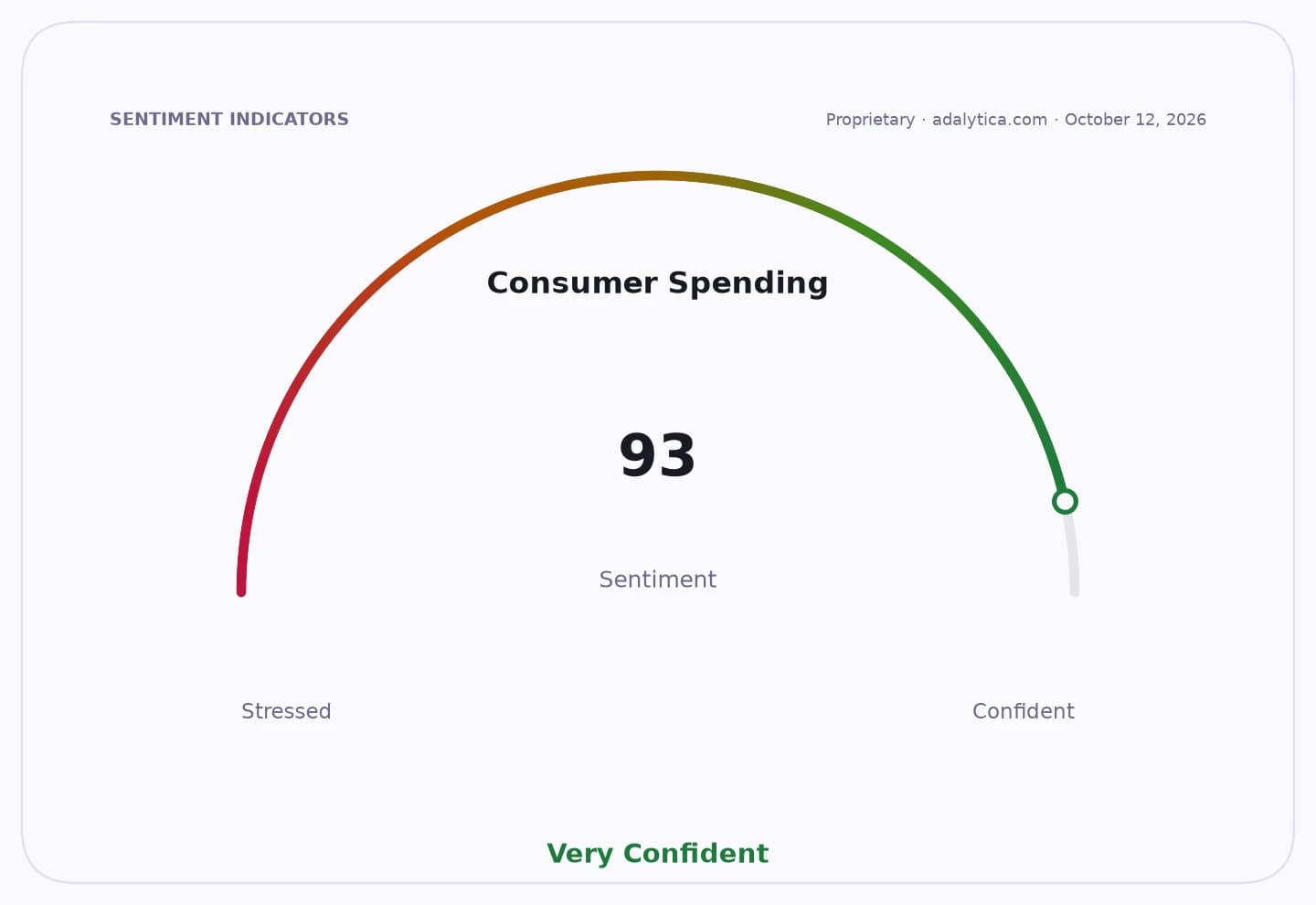
Sentiment IndicatorsⓘProprietary · adalytica.com · October 12, 2026
This is a snapshot — live sentiment, awareness and momentum for 130+ markets update continuously in the dashboard.Open AlphaPulse
The Wall Street Journal reported that Walmart’s robots, built with Symbotic, have had trouble with dog food, large-screen TVs, frozen turkeys and cardboard boxes. In some facilities, workers still have to step in when machines falter, underscoring how much warehouse work remains too variable for current systems.
At Brooksville, Florida, Walmart’s automation test site, about 80% of inventory is now moved with automation, according to the report, but the remaining 20% includes the heaviest and most awkward items. The company still needs human workers to unload trailers and service the robotic systems, even as executives argue layoffs are unnecessary because warehouse turnover is high.
The rollout is also raising operating costs before savings show up. The Journal said monthly electric bills at automated grocery facilities can reach $800,000 or more, versus about $250,000 when operations were mostly manual, while Walmart is also spending money on new shorter boxes that must be taped shut instead of reused.
For investors, the story is a reminder that automation is not just a margin lever but a capital-intensive transition with execution risk. Walmart shares have held near the $110 to $111 range in recent trading, with the stock above its 50-day moving average but still below its 200-day line, suggesting the market is watching for proof that automation improves throughput and margins rather than just adding cost.
The issue also has implications beyond Walmart. Symbotic and other warehouse robotics providers need the retail giant’s rollout to work, while Amazon and other logistics-heavy operators are watching whether the same automation models can scale without creating bottlenecks in peak shipping periods.
Walmart expects automation spending to peak this year and next, leaving the market focused on whether the company can turn a messy rollout into measurable labor savings, faster inventory flow and fewer out-of-stocks heading into future holiday periods.
| Entity | Gains | Losses |
|---|---|---|
| Walmart | ▲Long-term labor savings | ▼Near-term automation costs |
| Symbotic | ▲More deployment revenue | ▼Reliability scrutiny |
| Warehouse workers | ▲Continued job demand | ▼Routine tasks under pressure |
| Amazon and peers | ▲Lessons from Walmart rollout | ▼Higher bar for automation ROI |