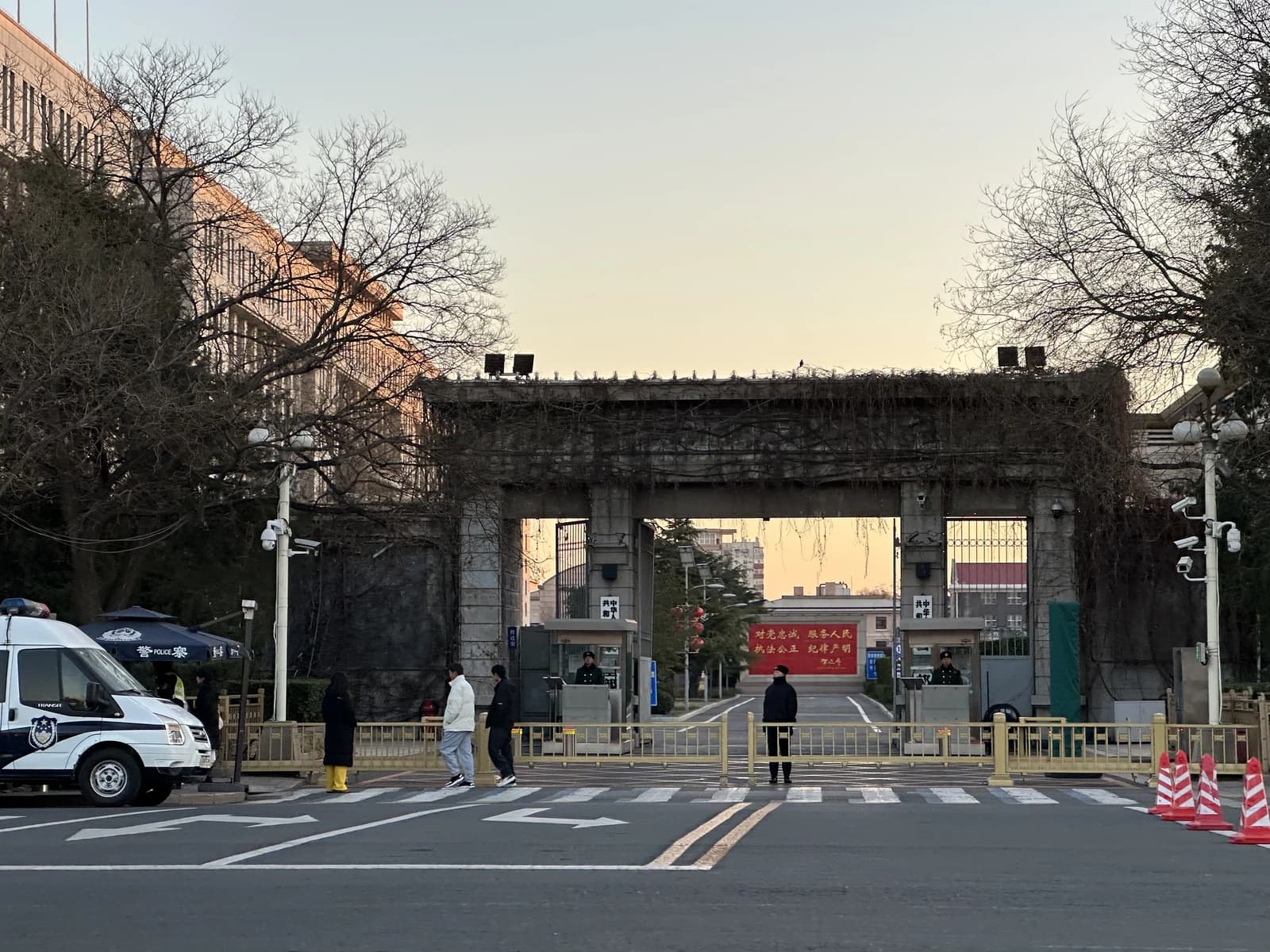
China has warned its citizens travelling to Thailand to watch for kidnapping and fraud, a fresh blow to one of Southeast Asia’s most tourism-dependent economies as safety fears spread through Chinese social media and booking channels.
China warns travelers about Thailand kidnapping risks
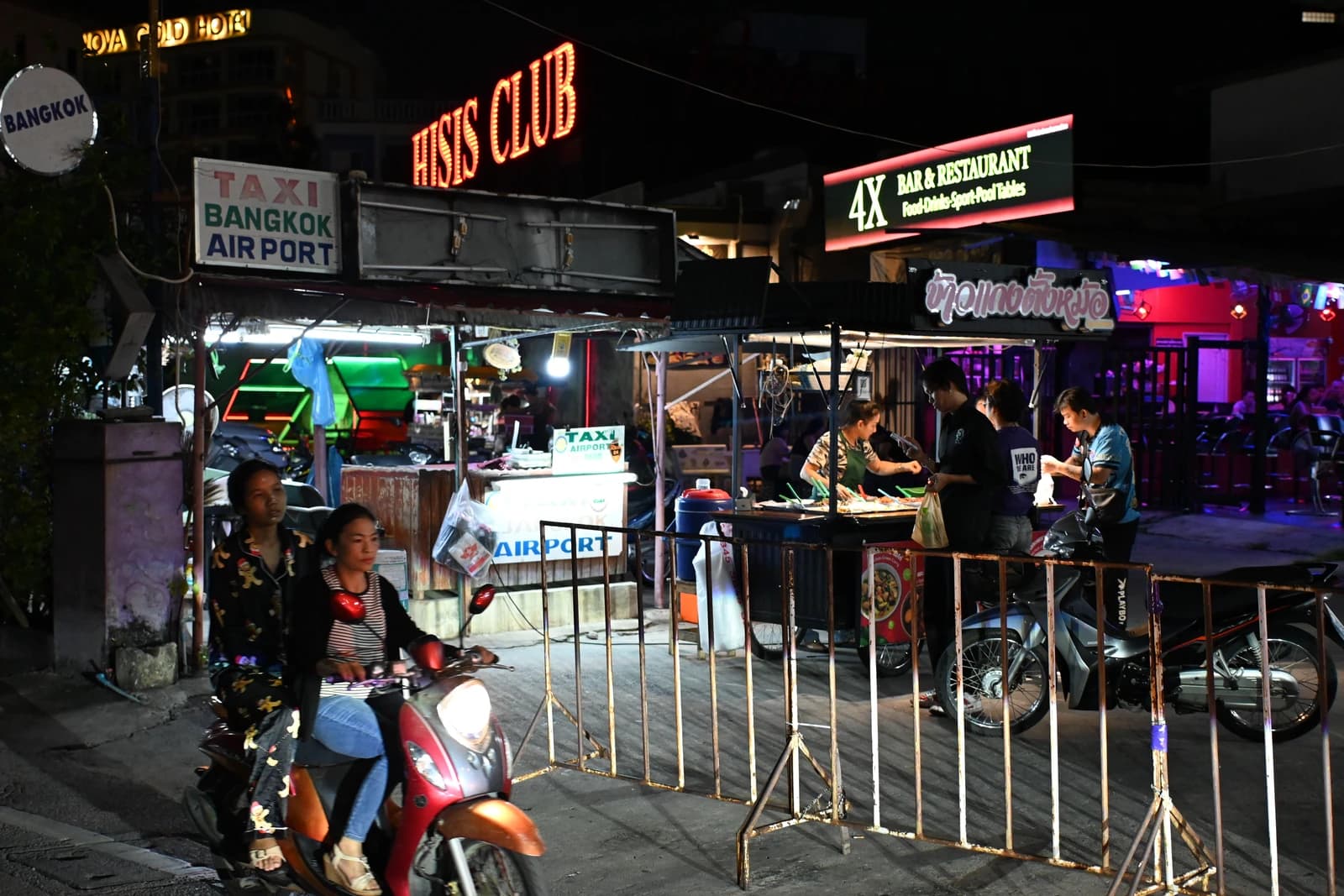
The Chinese embassy in Bangkok urged travellers to plan trips carefully, use licensed transport, avoid unsolicited ride offers and be wary of sudden changes in destination or route, after a series of cases in which Chinese nationals were allegedly lured into Thailand and then taken toward scam compounds across the Myanmar border. For Thailand, the warning matters because Chinese visitors remain a critical source of arrivals, spending and airline demand, and any perception that the country is unsafe can quickly depress bookings.
Sentiment IndicatorsⓘProprietary · adalytica.com · October 22, 2026
This is a snapshot — live sentiment, awareness and momentum for 130+ markets update continuously in the dashboard.Open AlphaPulse
The economic stakes are already showing up in the tourism outlook. Thanapol Cheewarattanaporn, chairman of the Association of Thai Travel Agents, said expectations for Chinese arrivals this year had been cut to about 7 million from 9 million. That is a sizeable downgrade for hotels, malls, restaurants, tour operators and carriers that had been counting on a fuller rebound in Chinese travel after years of pandemic disruption. When confidence erodes, the damage is often immediate: leisure travellers can switch destinations quickly, while group tours and influencer-driven travel are especially sensitive to reputational shocks.
The warning also underscores how cross-border scam networks have become a macro issue, not just a law-enforcement problem. The embassy said it was concerned about entertainers, social-media figures and other online personalities being enticed by fake job offers, then moved on to trafficking rings or scam operations. Thai media reported the arrest of a man in Tak province near Myanmar on suspicion of involvement in trafficking, while earlier cases included a Chinese actor, a photographer and a tourist who were all reportedly targeted through fake work or transport offers. Those incidents feed a broader narrative of transnational criminal groups exploiting porous border regions and cheap digital recruitment tactics to draw victims in.
For investors, the implications run beyond Thai tourism equities and into transport, hospitality and retail exposure tied to Chinese visitors. Thailand-listed stocks with heavy tourism leverage have reason to remain volatile as long as the safety narrative dominates, while airlines and hotels with higher Chinese exposure face a slower recovery in occupancy and ancillary spending. The warning also raises the odds of tougher official messaging and more visible security measures, which may help at the margin but are unlikely to reverse sentiment quickly if fresh incidents keep circulating online.
The counterargument is that the impact may prove temporary if Thai authorities can contain the criminal networks and demonstrate stronger border security. But reputational risk in tourism compounds fast, and the latest advisory suggests Thailand’s biggest challenge is no longer simply attracting Chinese visitors back — it is convincing them they can travel there without becoming targets.
| Entity | Gains | Losses |
|---|---|---|
| Thai tourism competitors | ▲Gain share from diverted travellers | ▼Lose less to Thailand bookings |
| Thai hotels and airlines | ▲Could gain from stronger security response | ▼Lose Chinese arrivals and spending |
| China’s travellers | ▲Gain more caution and awareness | ▼Face higher perceived safety risk |
| Scam networks / traffickers | ▲Gain from fear-driven recruitment gaps | ▼Lose if enforcement tightens |