China’s footprint in Southeast Asia is widening beyond trade and infrastructure into military basing, after satellite images showed Chinese-built light combat aircraft and new runway construction at a military airfield in Laos.
China Laos airfield buildup near Vientiane

The site, Ban Keun, about 50 kilometers north of Vientiane, has seen farmland and dirt tracks replaced by new buildings and an asphalt runway, according to images from satellite operator Vantor. Analysts said the aircraft visible on the latest pictures appear to be eight Chinese-made Hongdu JL-8 light attack and trainer jets.
Sentiment IndicatorsⓘProprietary · adalytica.com · October 9, 2026
This is a snapshot — live sentiment, awareness and momentum for 130+ markets update continuously in the dashboard.Open AlphaPulse
The development matters because it would give Beijing a potential first overseas air base, a major step for a military that has long lacked the kind of global basing network the United States maintains. A permanent or semi-permanent Chinese presence in Laos would deepen Beijing’s ability to project power, support logistics and training, and extend surveillance reach across a region where it is already expanding influence.
Officially, China’s defense ministry described the site as a joint support and training center. Security experts, however, say the scale of the work suggests more than a facility for Lao pilot instruction. The gap between the official explanation and the physical buildout is likely to fuel concern among regional governments and Western policymakers about China’s intent and its long-term military posture.
The Laos project fits a broader pattern. China already operates a network of positions in the South China Sea, including on islands it controls or has built up, and last year announced a joint logistics and training center at Cambodia’s Ream naval base. Together, the sites point to a strategy of locking in access points around mainland Southeast Asia and the maritime approaches to the region.
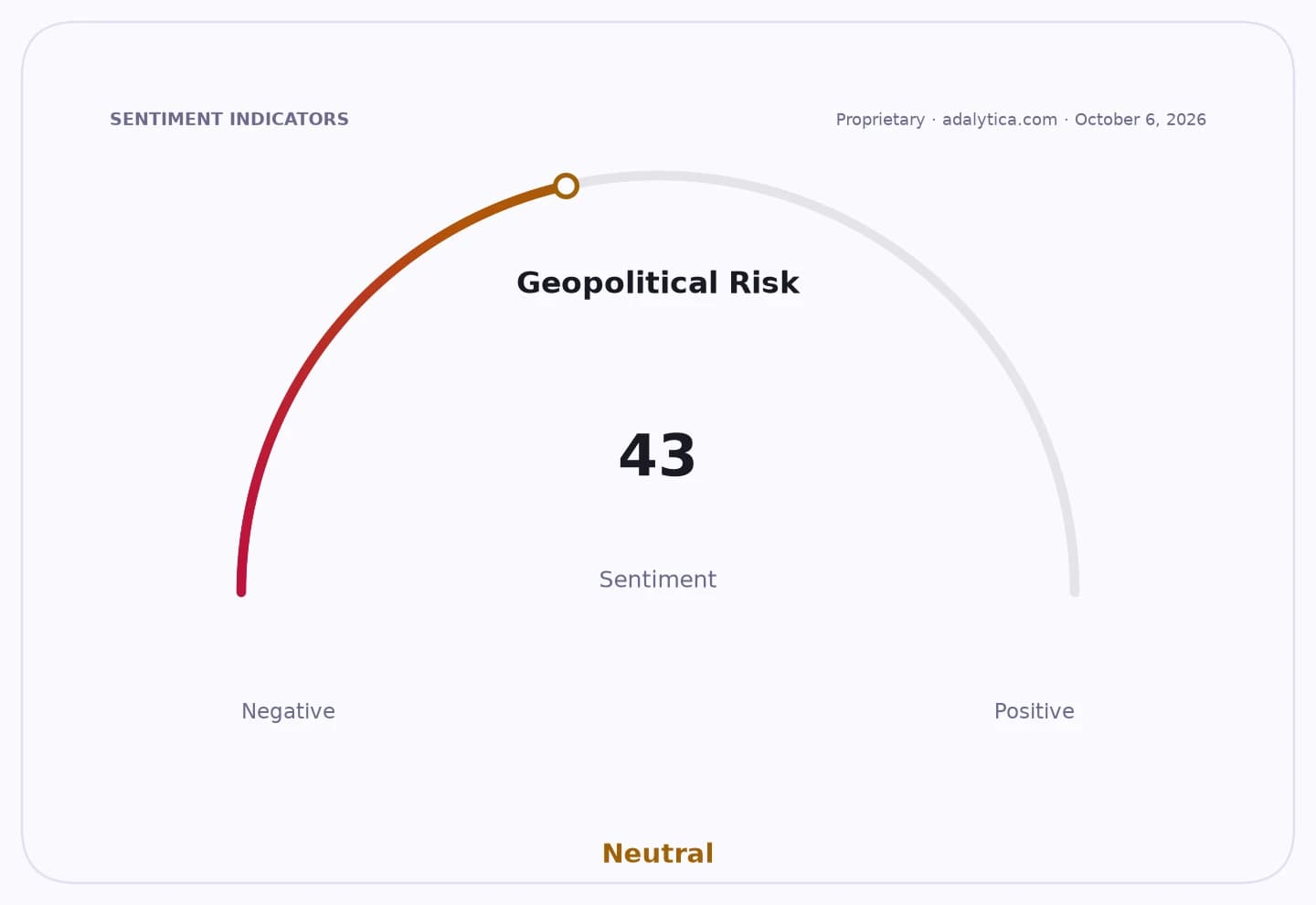
For investors, the immediate effect is less about direct market exposure than about geopolitics: any sign that China is turning economic leverage into military access raises regional risk premia, keeps pressure on defense spending, and complicates supply-chain and shipping assumptions across Asia. It also underscores why tension between China and the U.S. remains a persistent overhang for Chinese assets, including the FXI and MCHI funds, which have been trading below their 200-day moving averages.
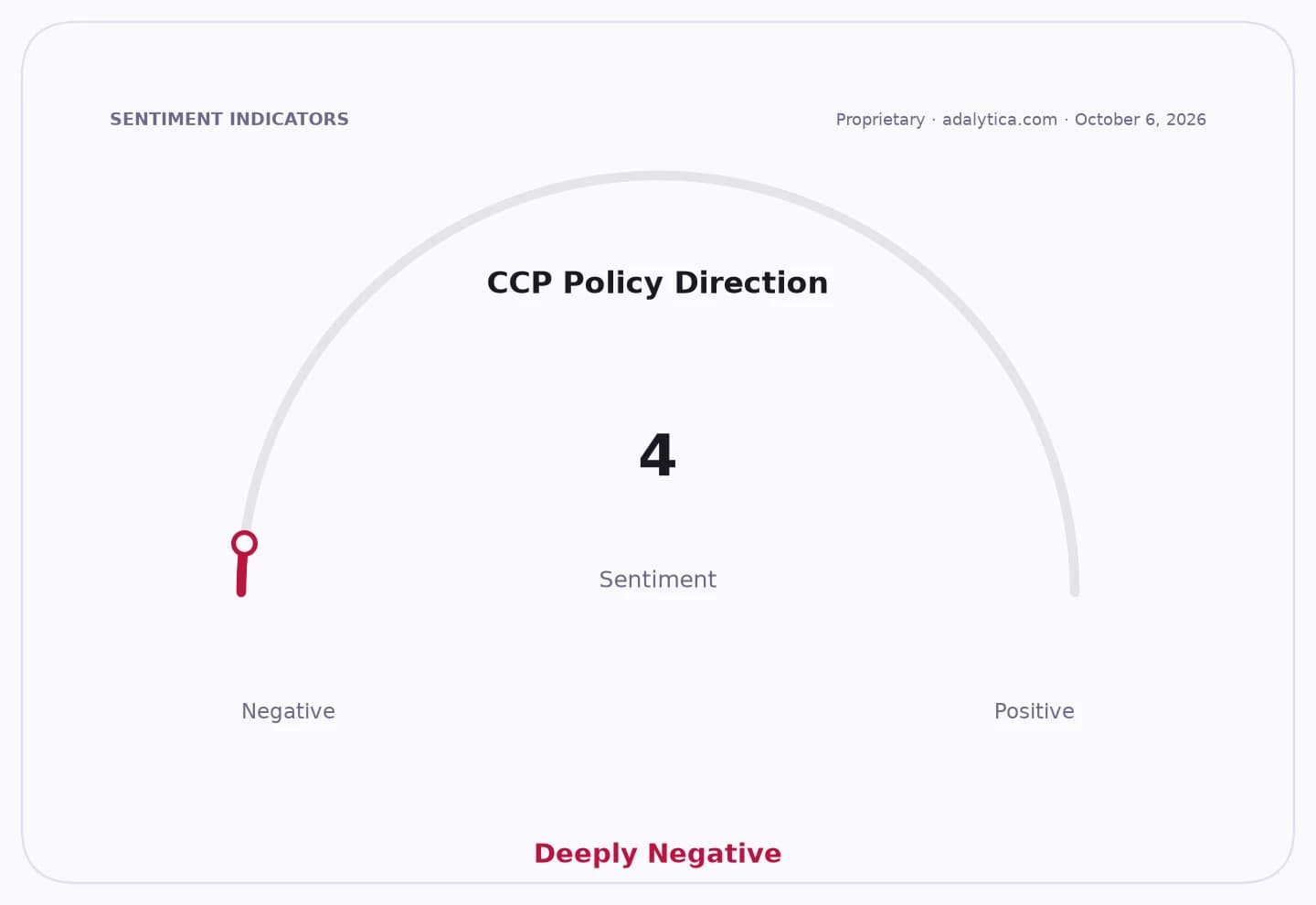
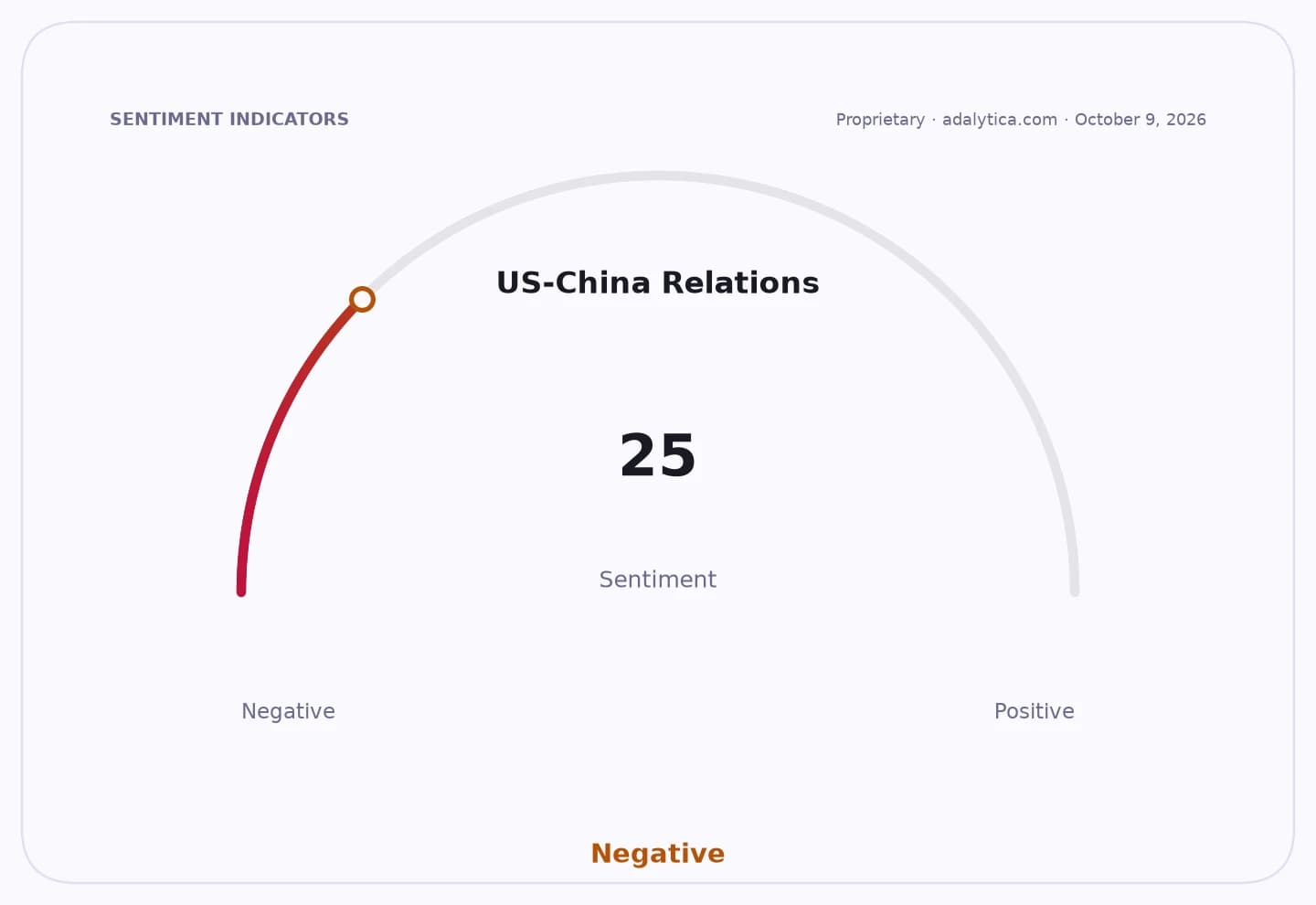
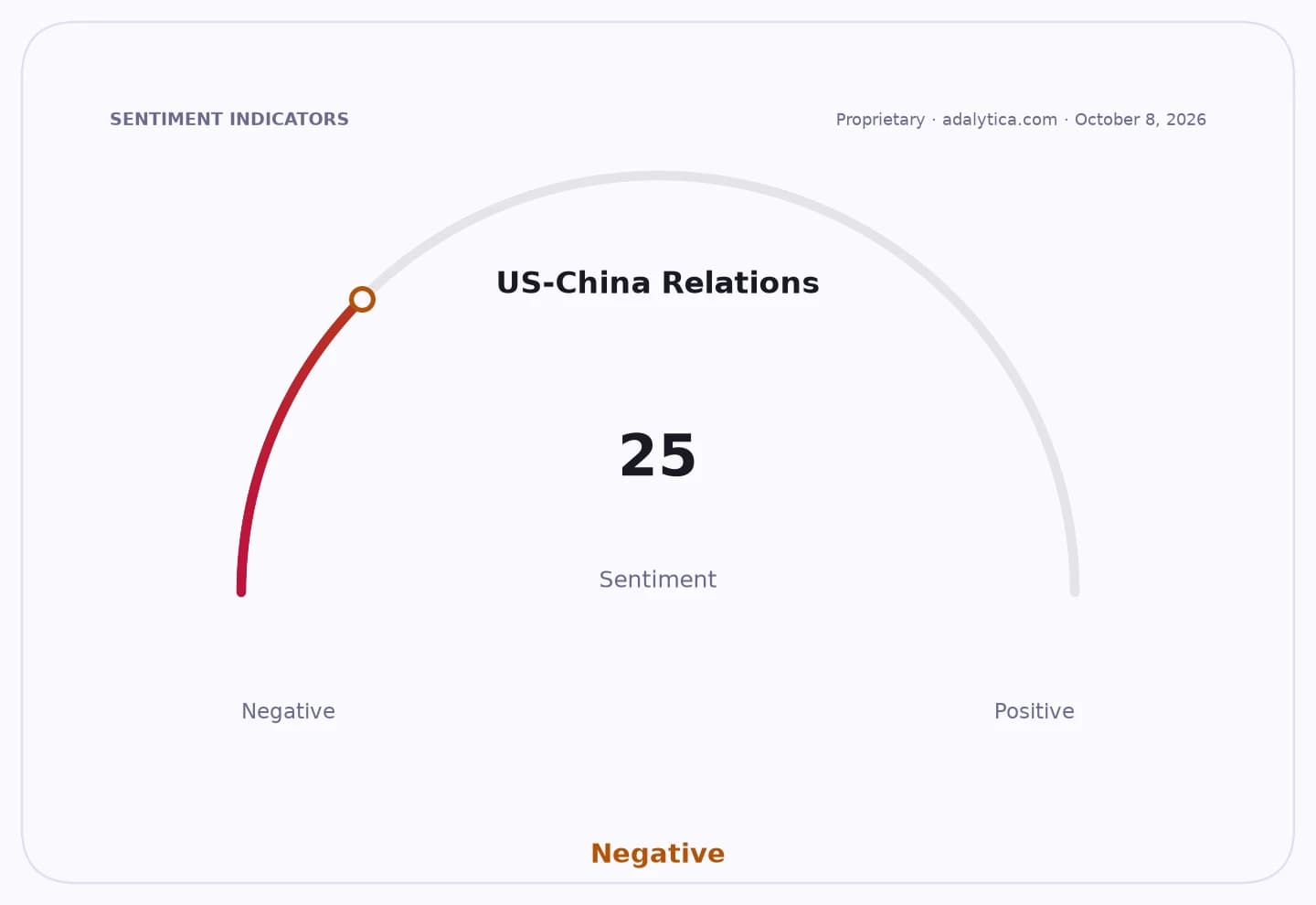
Adalytica’s China CCP policy-direction gauge is in “Extreme Fear,” while its U.S.-China relations measure shows “Fear,” reflecting how sensitive markets remain to any escalation in Beijing’s regional posture. The next focus will be whether Laos, China, or regional officials provide any clearer explanation of the Ban Keun expansion — and whether further satellite imagery shows the site becoming operational.
| Entity | Gains | Losses |
|---|---|---|
| China | ▲Greater regional reach | ▼Higher geopolitical scrutiny |
| Laos | ▲Chinese support and investment | ▼Sovereignty concerns |
| U.S. and allies | ▲None | ▼Strategic balance shifts |
| Defense contractors | ▲More regional spending | ▼None |