China has sentenced three members of a Myanmar-based scam syndicate to death, escalating a regional crackdown on an industry that has stolen billions of dollars and become a growing security issue for Beijing and Southeast Asia.
China Sentences Myanmar Scam Gang Members to Death

The ruling underscores how online fraud tied to Myanmar’s borderlands has evolved from a law-enforcement problem into a geopolitical one, with criminal compounds drawing in trafficked workers, Chinese victims and violent syndicates operating across porous frontiers. For investors, the story matters less for direct market impact than for what it says about China’s tightening grip on cross-border crime, regional policing cooperation and the broader risk environment along Southeast Asia’s frontier economies.
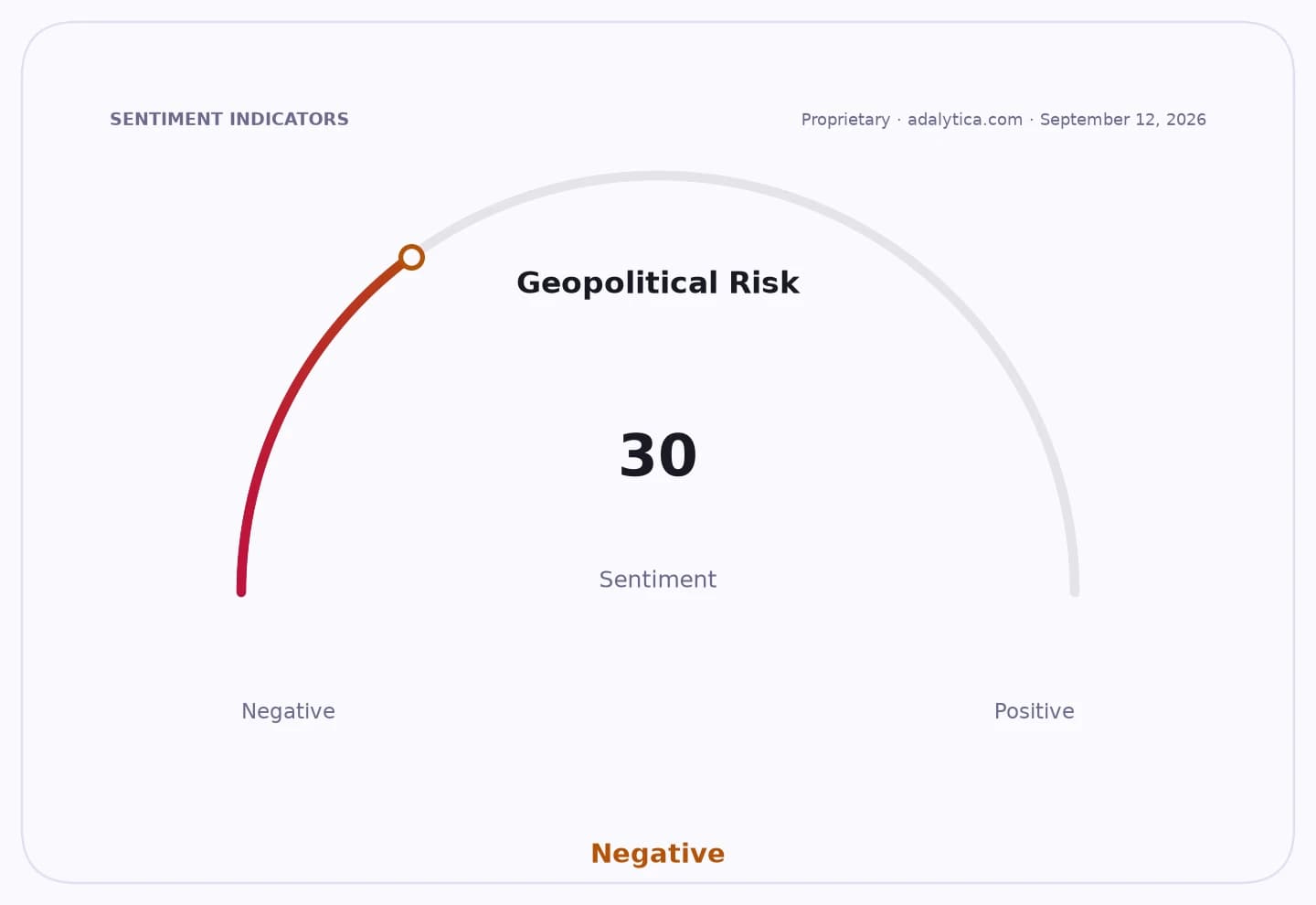
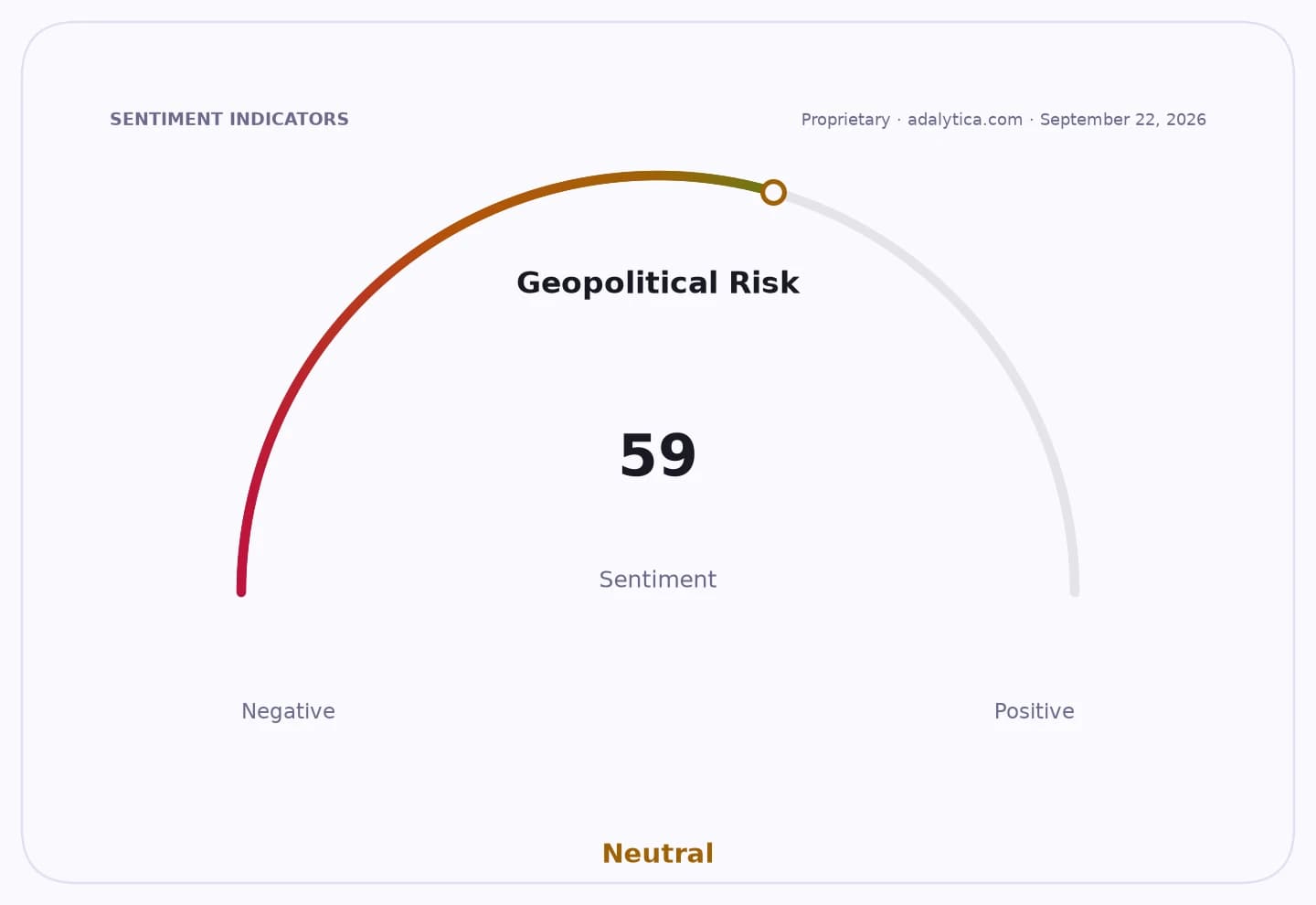
Sentiment IndicatorsⓘProprietary · adalytica.com · October 15, 2026
This is a snapshot — live sentiment, awareness and momentum for 130+ markets update continuously in the dashboard.Open AlphaPulse
Quanzhou Intermediate People’s Court said Wei Huairen, also known as Wei San, Chen Dawei and Liao Jingfang were convicted over the “Wei family criminal gang,” one of the so-called four families that analysts say ran syndicates in Kokang, Myanmar. The court said the group’s operations generated more than 12.2 billion yuan, or about $1.8 billion, and included drug trafficking, prostitution, illegal casinos, telecom fraud and the murder of at least two Chinese citizens.
Another three gang members received life sentences and 55 more were jailed for terms ranging from 24 years to three years and three months. Chinese state broadcaster CCTV described the group as the “most violent criminal force in northern Myanmar,” saying it ran 14 large-scale scam compounds and lured Chinese nationals with fake high-wage job offers before holding many in prison-like facilities.
The crackdown follows earlier cases against other Myanmar syndicates. China executed 11 people in January, including members of the Ming family gang, and four members of the Bai clan were executed in February on charges including fraud, homicide, kidnapping and extortion. Beijing has been deepening cooperation with Southeast Asian governments as it seeks to dismantle scam hubs that have proliferated across the region and generated losses running into the billions.
For markets, the direct read-through is limited, but the broader implication is a tougher stance from Beijing on illicit capital flows, border security and organized crime networks that exploit weak governance near conflict zones. Any sustained crackdown could pressure the infrastructure that supports scam compounds, while reinforcing the political value of closer China-Myanmar and China-ASEAN security coordination.
The case also keeps attention on Myanmar’s Kokang region, where criminal groups have benefited from instability and armed protection. Investors watching China’s policy tone will likely see this as part of a broader effort to project domestic security power beyond its borders, with the next catalyst being whether authorities expand arrests, extraditions or cooperation with neighboring states to target the remaining scam networks.
| Entity | Gains | Losses |
|---|---|---|
| Chinese authorities | ▲Security credentials | ▼Scam network operators |
| Myanmar scam syndicates | ▲— | ▼Leaders, compounds, cash flows |
| Southeast Asian police cooperation | ▲Cross-border coordination | ▼Criminal mobility |
| Chinese victims / trafficked workers | ▲Potential protection | ▼Exposure to fraud and abuse |