A family ski holiday in the Dolomites is becoming a luxury purchase, with a New Year’s week for four now running to almost €10,000 and the ski pass alone costing €1,812.
Dolomites ski trip costs near €10,000
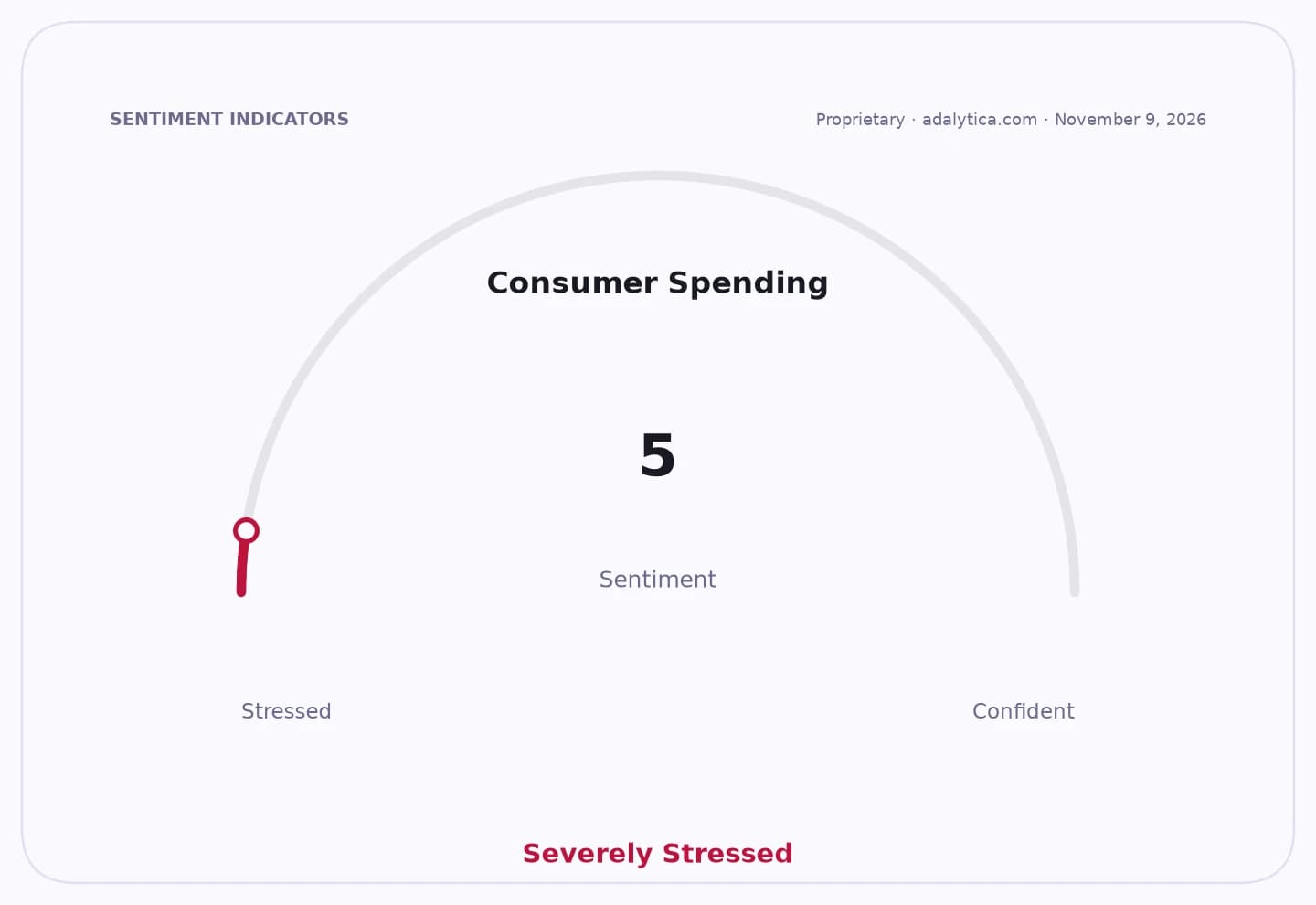
Consumer Spending
That matters because the Alpine winter season is one of Europe’s most dependable consumer spending engines, and this year it is being powered by higher transport, lodging, lift-ticket and food costs all at once. The result is a simple but powerful test of household resilience: families are still travelling, but the price of participation is rising fast enough to force trade-offs.
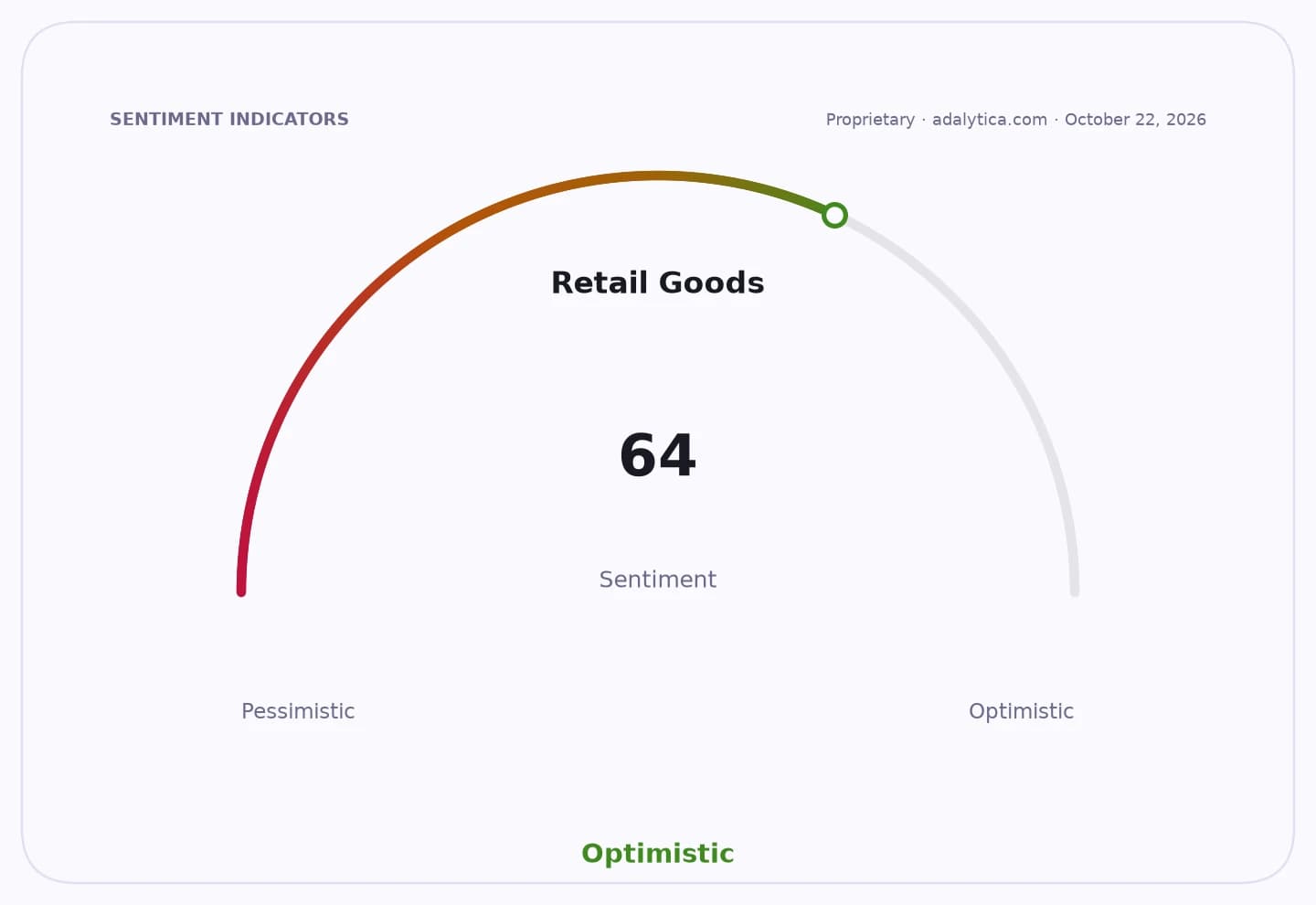
Sentiment Indicators
The math is brutal. For a six-day stay from Dec. 30 to Jan. 5 at a three-star hotel in places such as Cortina, Alleghe or Falcade, the article’s shopping basket comes out close to €9,000 before extras and can reach €10,000 with shopping or special dinners. The ski pass for Dolomiti Superski costs €453 per person, or €1,812 for four, up 3.5% from last year. Ski lessons add another €360 per person for six days, while rental gear costs €270 each. Even lunch on the slopes, pared down to a single dish and a drink, is estimated at €180 per person for the week.
The pressure is broader than the mountain itself. Diesel for the drive from Rome to the Dolomites is cited as 37% higher than a year ago, lifting fuel costs to €74 before tolls. Hotel operators point to energy, heating and food inflation as the reason room rates have climbed 6% to 9%, while ski schools and mountain restaurants are also passing through higher costs. In other words, this is not just seasonal pricing power — it is a full-stack cost squeeze across the Alpine tourism ecosystem.
Investors should care because this is exactly the kind of environment that separates price takers from pricing power winners. Demand for winter travel remains resilient, with families still booking despite sticker shock, which is a bullish signal for the best-positioned operators. But the data also show how fast discretionary travel can be capped by affordability, particularly for domestic Italian travelers who are the core market for the Christmas-New Year window.
That makes the winners clear. Booking platforms such as Booking Holdings and Expedia benefit when demand stays elevated and travelers compare prices online, while premium mountain destinations and the strongest hotel groups can keep pushing rates higher. The losers are households, budget-sensitive operators and any business in the chain that cannot pass through fuel, labor and energy costs. If inflation cools but Alpine pricing stays firm, the next upside surprise will likely come from the companies selling the trip, not the families taking it.
For investors, the lesson is that winter leisure is not disappearing — it is being repriced. The market often underestimates how much inflation can be absorbed by affluent and aspirational travelers before volume breaks, and the Dolomites are a live case study. The best opportunities sit with the toll collectors of travel: the booking engines, the premium lodging platforms and the operators with real pricing power.
| Entity | Gains | Losses |
|---|---|---|
| Booking platforms | ▲Higher travel demand | ▼Price-sensitive families |
| Premium hotels in the Dolomites | ▲Room-rate power | ▼Budget lodging operators |
| Ski schools and mountain restaurants | ▲Pass-through inflation | ▼Value-seeking consumers |
| Fuel sellers and toll operators | ▲Higher trip costs | ▼Long-distance road travelers |