Costco has opened its first petrol station in Malaga to the general public, turning the fuel forecourt into an early revenue engine ahead of the U.S. retailer’s next Spanish hypermarket launch and giving the company a fast way to build traffic, memberships and brand loyalty in one of Spain’s most competitive retail markets.
Costco Opens First Malaga Fuel Station in Spain
The opening matters because Costco’s model is built less on headline warehouse sales than on repeat visits, membership income and high-frequency trips that anchor spending around its stores. A fuel station is one of the most effective tools in that playbook: it widens the customer base beyond card-carrying members, pulls in price-sensitive motorists and creates a habit loop that can later convert into warehouse shopping once the Malaga hypermarket opens next spring.
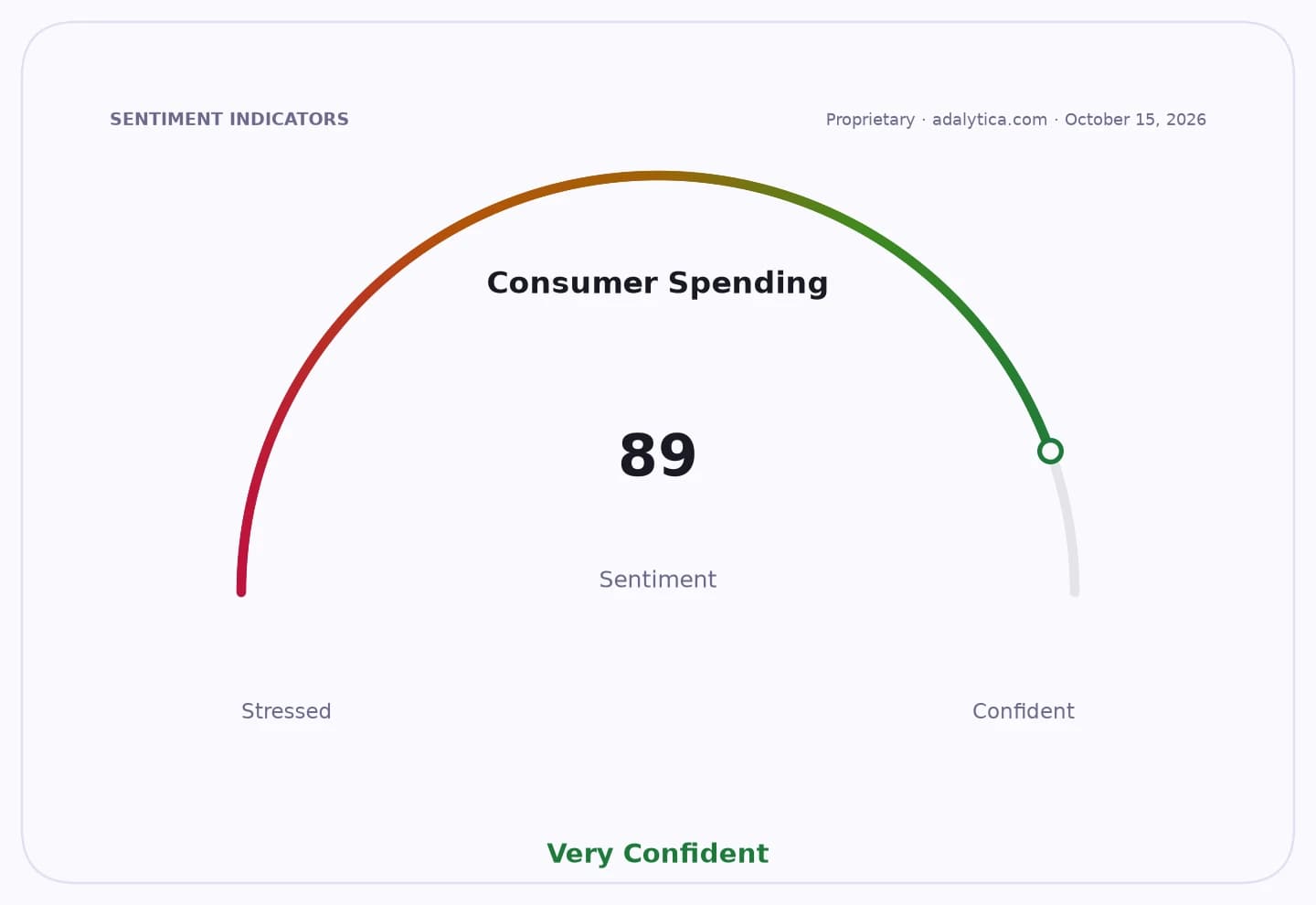
Sentiment Indicators
That is why the Malaga site is more than a convenience amenity. It is a demand generator. The station is open seven days a week from 7 a.m. to 10.30 p.m., and while non-members can fill up, members get lower prices — exactly the kind of value proposition that has made Costco one of the strongest retailers in the global club-store model. The company said the temporary membership desk in Malaga has already attracted 2,000 sign-ups in its first week, an encouraging sign that the fuel offer is already pulling consumers into the Costco ecosystem.
For investors, the bigger message is that Costco is using Spain to extend a proven format with limited incremental risk. The Malaga warehouse will be the chain’s sixth in the country, after Seville, Bilbao, Las Rozas, Getafe and Zaragoza, showing a measured but steady buildout rather than a costly leap. That matters in a European consumer backdrop where shoppers remain highly price sensitive and fuel costs still influence household budgets and retail footfall. Costco’s low-price positioning gives it an edge if inflation remains sticky and consumers keep trading down.
There is also a margin story here. Costco’s own filings note that gasoline pricing can lift net sales growth, even if it pressures gross margin percentage, while membership fees provide a recurring earnings base that is largely insulated from merchandise swings. In other words, fuel is not just a traffic driver — it is part of a broader flywheel that can support sales volume, renewals and cross-category spend.
The stock has already been on a strong run, with Costco shares trading above $1,060 after a sharp climb in recent sessions, and conventional technical indicators show the name near the upper end of its recent range. That makes the question for investors less about whether Costco is a quality compounder — it is — and more about where the next leg of growth comes from. International rollout, ancillary services like fuel and continued membership monetization are the most obvious answers.
The Malaga opening suggests Costco is still finding new ways to extend the same high-conviction formula: drive traffic, monetize membership and defend pricing power through scale. For long-term investors, the opportunity remains in treating Costco not as a simple retailer, but as a consumer infrastructure business with a recurring-fee moat and multiple levers for compounding.
| Entity | Gains | Losses |
|---|---|---|
| Costco | ▲More traffic and memberships | ▼Upfront rollout costs |
| Malaga consumers | ▲Lower fuel prices | ▼No major downside |
| Local fuel rivals | ▲— | ▼Pricing pressure |
| COST shareholders | ▲Broader Spain growth optionality | ▼Near-term margin dilution |