Costco is selling the Jimothy dog toy, and for investors it’s another reminder that the warehouse club can turn even a quirky impulse buy into a traffic driver, reinforcing the company’s long-running edge in low-cost, high-frequency merchandise.
Costco Jimothy Dog Toy Highlights Traffic Strategy
Why does that matter? In retail, the best products are not always the biggest ticket items. They are the ones that bring members back, create a little buzz on social media and deepen the habit of shopping at the warehouse. Costco has built a business on exactly that formula: limited-time items, fast inventory turns and a treasure-hunt experience that keeps renewal rates high. A novelty pet toy may look minor on its own, but multiplied across Costco’s enormous membership base, these items help support traffic, basket size and loyalty.
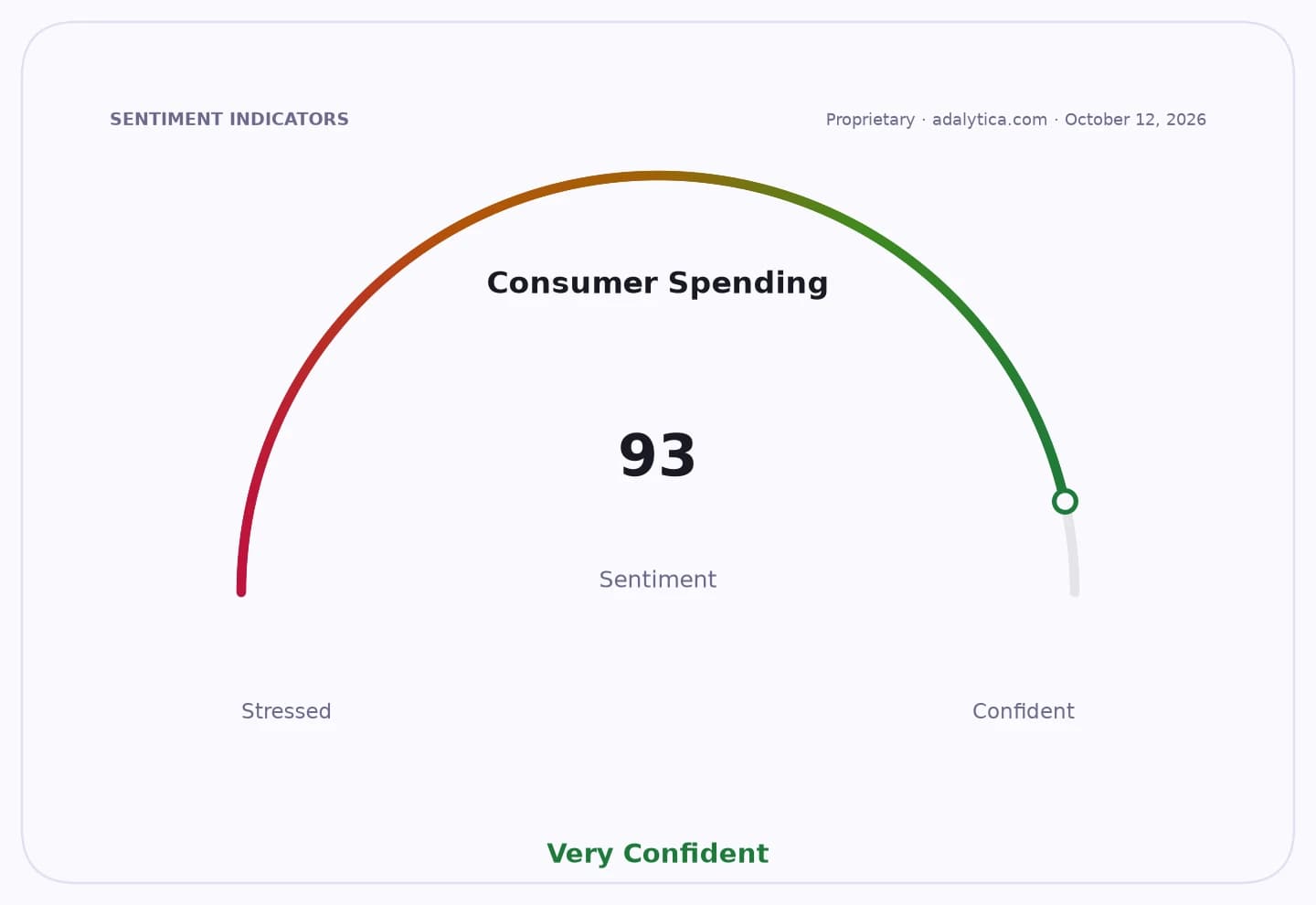
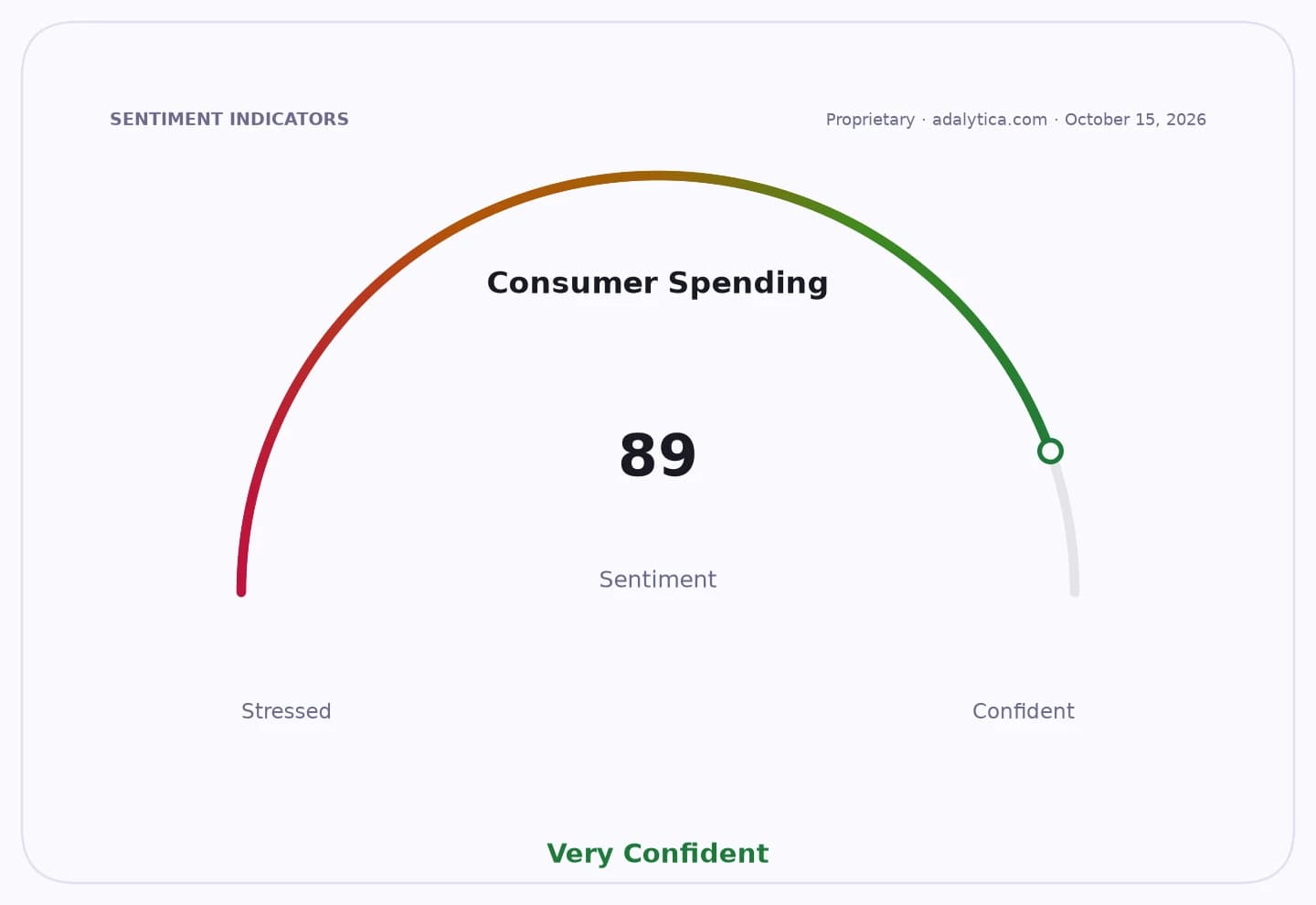
That is especially important in a consumer environment where shoppers are still selective. Adalytica’s Consumer Spending Sentiment sits in Extreme Greed territory at 89, suggesting appetite remains healthy, while the S&P 500 trade signal is neutral. For a company like Costco, that is a useful backdrop. It does not need a boom to win. It just needs households willing to keep spending on small, satisfying purchases that feel affordable even when budgets are tight.
Costco’s appeal is simple but powerful: members trust the company to offer value, and they often buy more than they planned. Pet products fit neatly into that model because pet owners tend to spend steadily even when they cut back elsewhere. That makes the category attractive not just to Costco, but to investors looking for businesses tied to resilient everyday consumption. A dog toy will not move earnings by itself, but it shows how Costco keeps layering in incremental demand from categories that are emotionally sticky and repeatable.
The contrast with specialty pet retailers is hard to miss. Petco’s stock has been crushed to around $1.21, with technical readings still weak and the shares far below their 200-day moving average. That tells you where the market sees pressure: a tougher operating model, thinner customer loyalty and more competition for discretionary pet dollars. Costco, by contrast, has shares around $981 and trading well above both its 50-day and 200-day moving averages, with strong momentum still intact. Investors are clearly rewarding the warehouse model over the more fragile pet-store playbook.
For long-term investors, the lesson is not to chase the toy itself. It is to recognize the operating system behind it. Costco wins because it compounds small advantages: traffic, trust, scale, pricing power and a steady stream of “finds” that make members feel smart for shopping there. That is the sort of business that can keep compounding for years, even if individual products come and go.
If you own Costco, Jimothy is another sign the machine still works. If you do not, the stock remains one to watch for durable, buy-and-hold investors who want exposure to a resilient consumer franchise with a proven growth formula.
| Entity | Gains | Losses |
|---|---|---|
| Costco | ▲Member traffic and basket lift | ▼None material |
| Costco members | ▲Fun, low-cost impulse purchase | ▼Harder-to-ignore spending temptation |
| Petco | ▲None | ▼Share of pet spend and investor confidence |
| Pet owners | ▲More affordable pet products | ▼Less room for specialty-store exclusivity |