Peru’s pet economy is moving from a niche consumer category into a meaningful household expense, with monthly spending on animal care climbing to S/298.6 million in 2025, according to the National Household Survey from the National Statistics Institute, or INEI.
Peru Pet Spending Rises to S/298.6 Million
That is up S/38.6 million in two years, a gain that matters because it points to a durable shift in discretionary spending rather than a one-off spike. Even in a slower-growth environment, households are still allocating more to food, grooming, veterinary care and other services for pets, a pattern that supports retailers, clinics, feed suppliers and specialist service providers while raising the floor for demand across the sector.
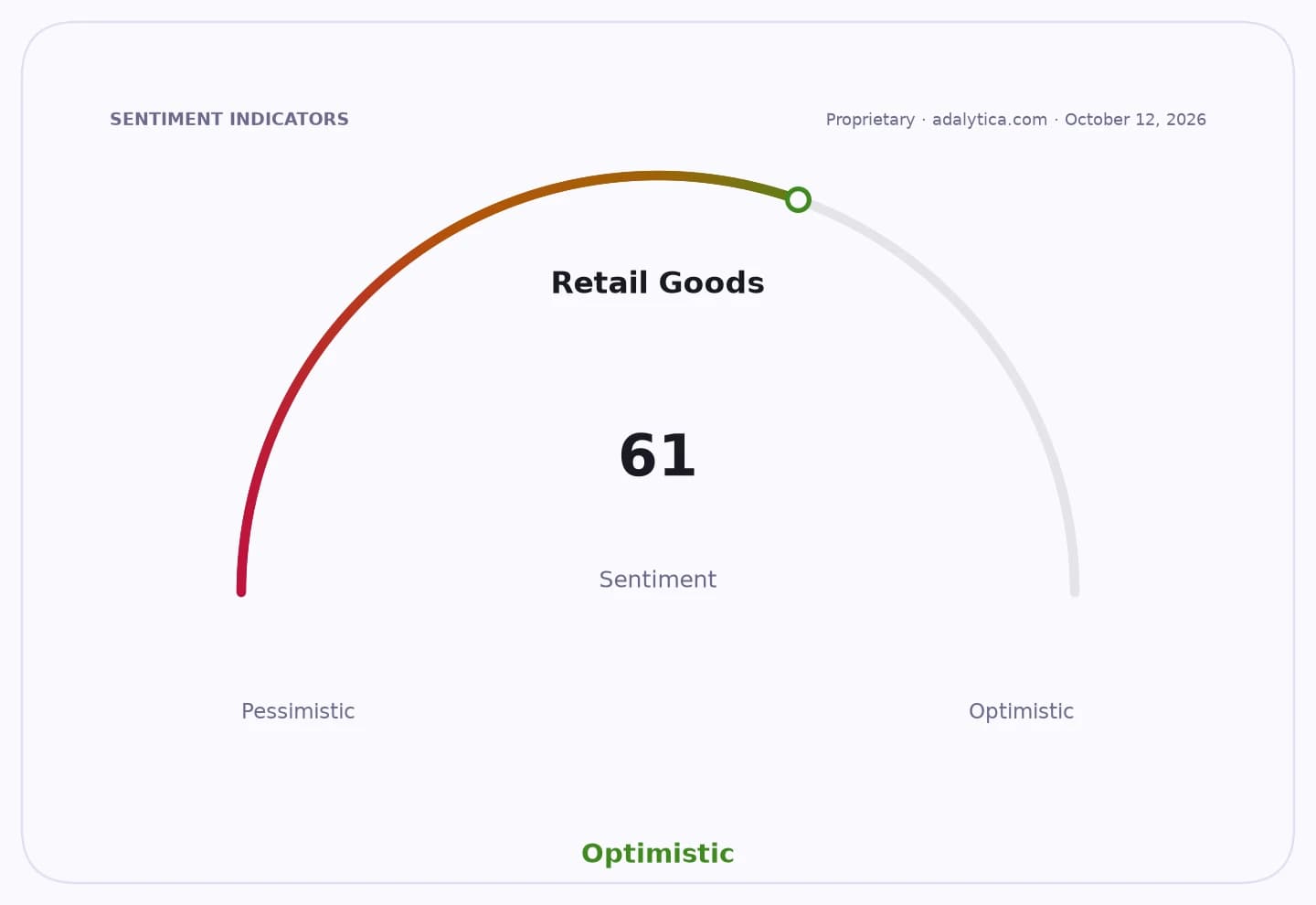
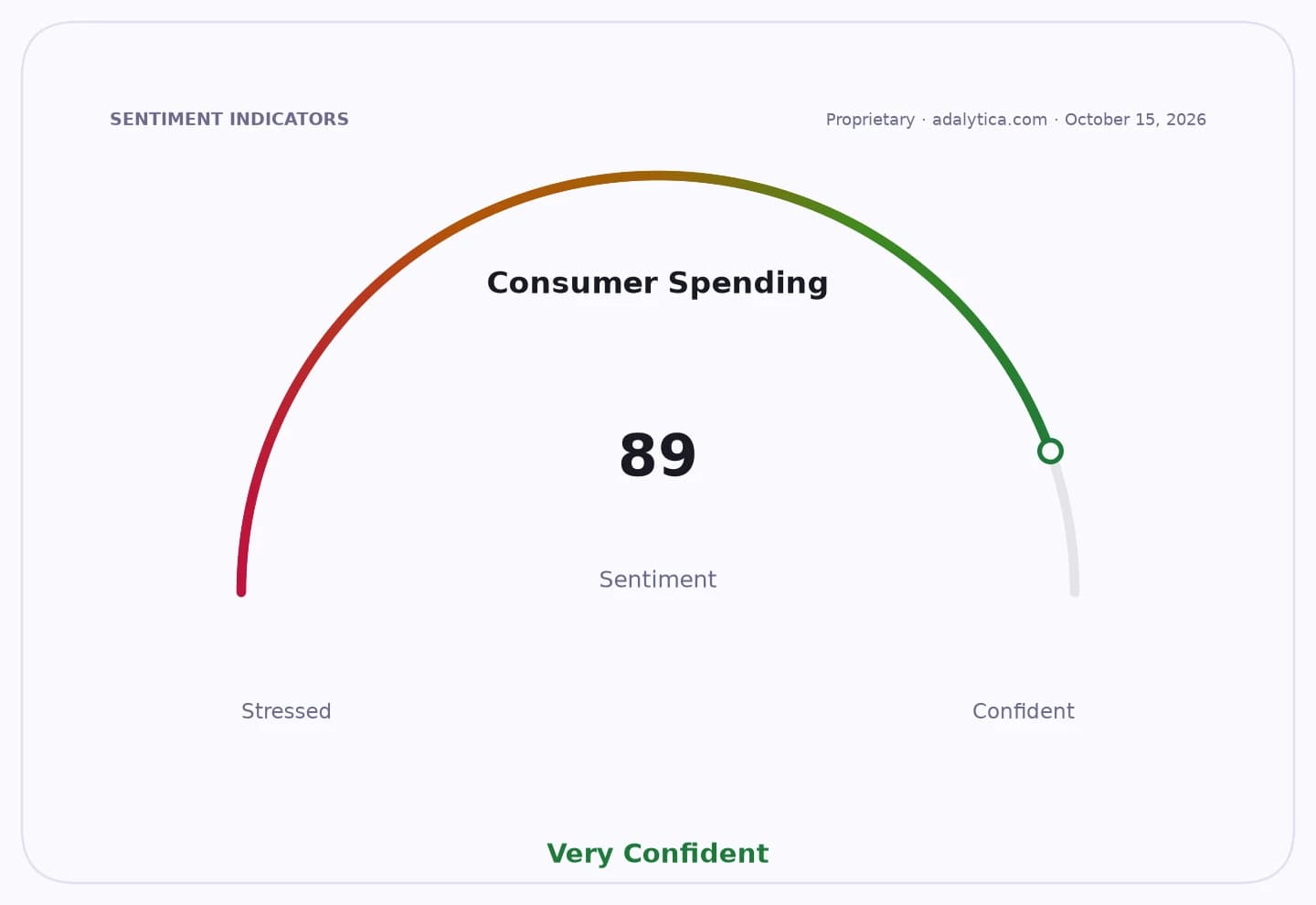
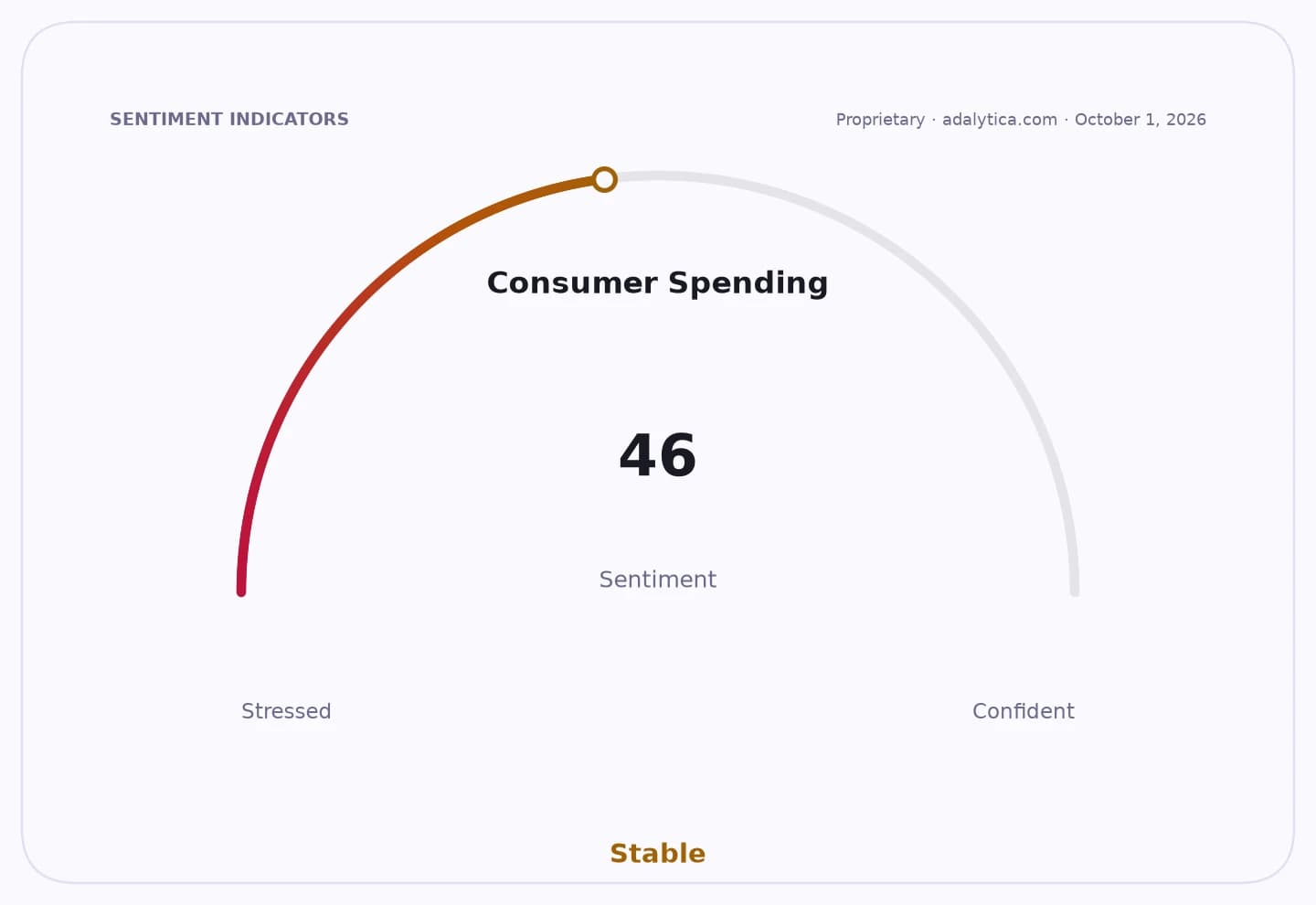
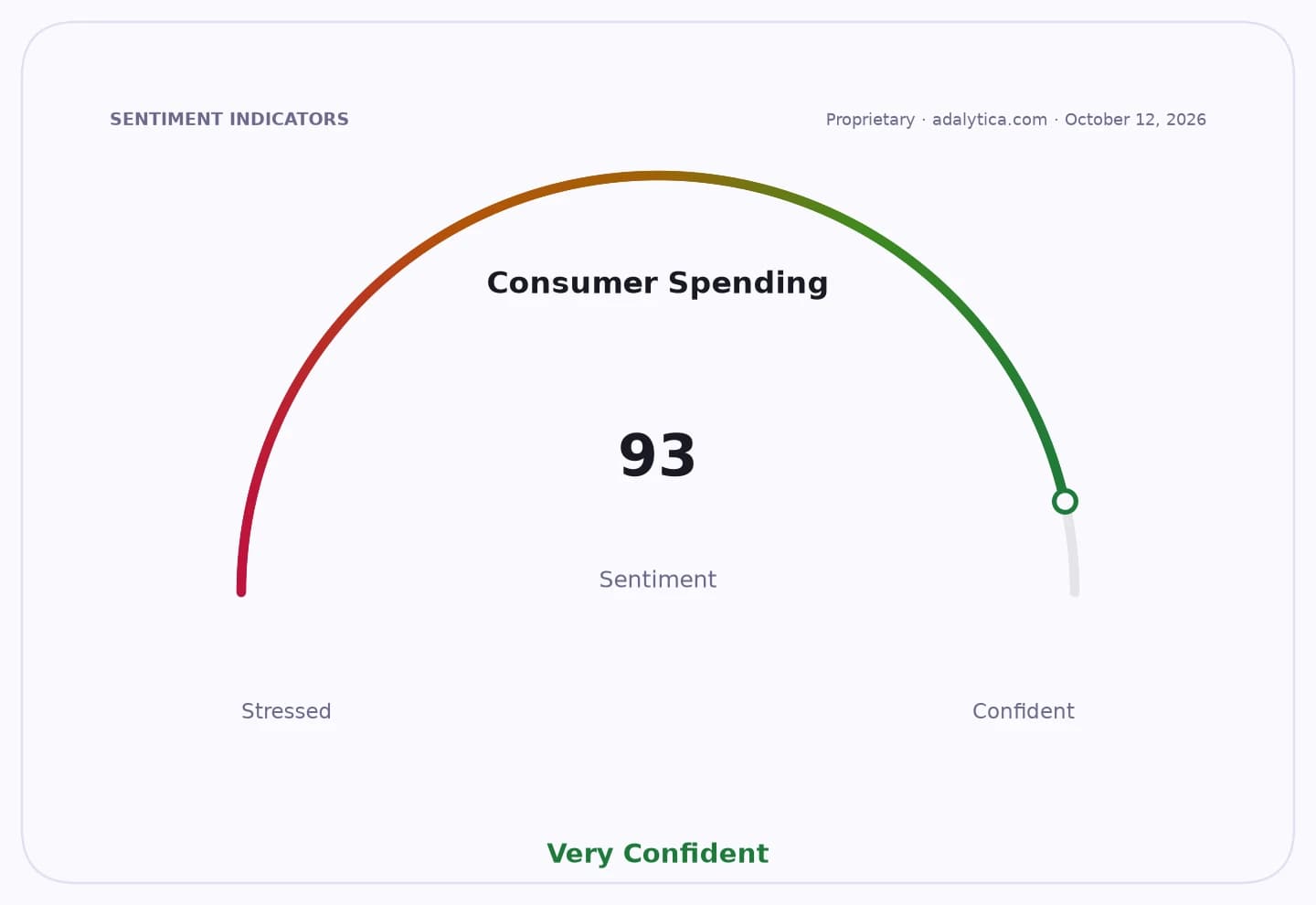
Sentiment IndicatorsⓘProprietary · adalytica.com · October 12, 2026
This is a snapshot — live sentiment, awareness and momentum for 130+ markets update continuously in the dashboard.Open AlphaPulse
The increase also reinforces the case for a more formalized pet-services market. As the Agriculture Ministry moves to standardize training for pet-care professionals and work with the Labor Ministry on technician certification, the industry is edging closer to the sort of regulation and professionalization that typically follows rising consumer spend. For businesses, that can improve service quality and customer trust. For investors, it can also help separate scalable operators from informal competitors.
In equity terms, the spending trend is relevant to listed names exposed to consumer pet demand, including PETS and PETV, even if the market remains relatively small by broader retail standards. PETS has shown the stronger trading pattern of late, with its share price far above its 200-day moving average in recent sessions, while PETV remains much closer to its longer-term average. Conventional technical indicators also suggest the move in PETS has been extended, with RSI readings recently in overbought territory after a sharp run-up.
The broader read-through is that Peru’s consumer wallet is still opening for categories tied to emotional spending and premiumization. Pet ownership has become less about basic maintenance and more about recurring, higher-value services, and that tends to be sticky. The risk for the sector is that much of the demand is still concentrated in urban and middle-income households, leaving growth vulnerable to any squeeze on real incomes. But for now, the market is expanding, and that is the dominant investment story.
| Entity | Gains | Losses |
|---|---|---|
| Pet retailers and clinics | ▲Higher recurring demand | ▼Pressure on low-cost informal providers |
| PETS | ▲Stronger revenue backdrop | ▼Risk of technical pullback |
| PETV | ▲Sector lift from rising spend | ▼Lags stronger peers |
| Consumers | ▲More professional services | ▼Higher household pet budgets |