Some U.S. cattle ranchers are holding back from rebuilding herds even as Washington tries to encourage expansion, a supply squeeze that is keeping beef prices high and could take years to unwind.
U.S. cattle herd stays near 75-year low
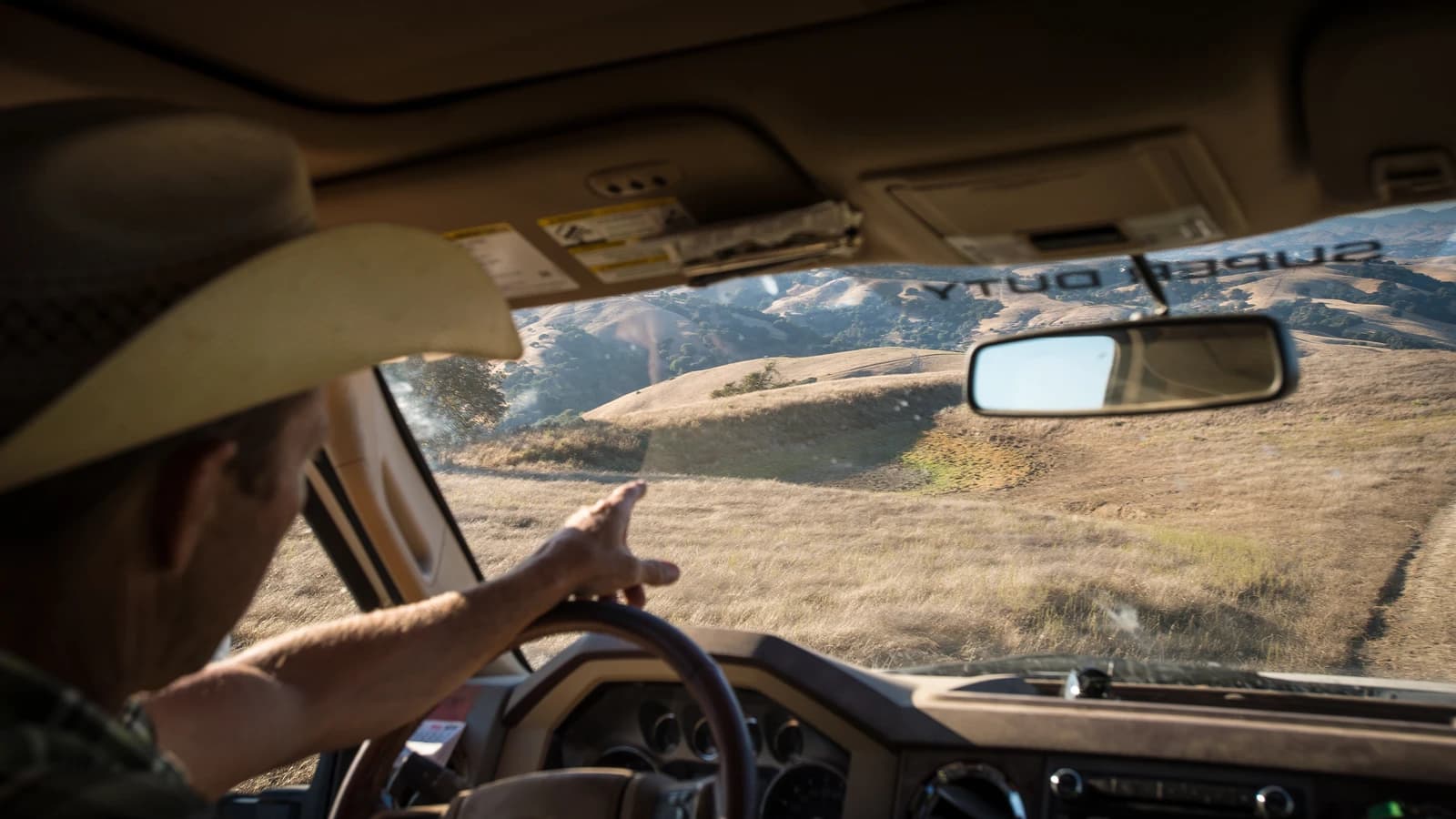
The central problem is economics: ranchers must choose between sending animals to slaughter for near-term cash or keeping heifers for breeding in hopes of higher future returns, but many say the cost of feed, care and financing still makes expansion too risky. Christopher Hudson, who raises about 150 cattle a year in Missouri, said ranching has been “about break-even for 15 to 20 years,” while agriculture specialist Wesley Tucker called the cost of producing cattle “astronomically high.”
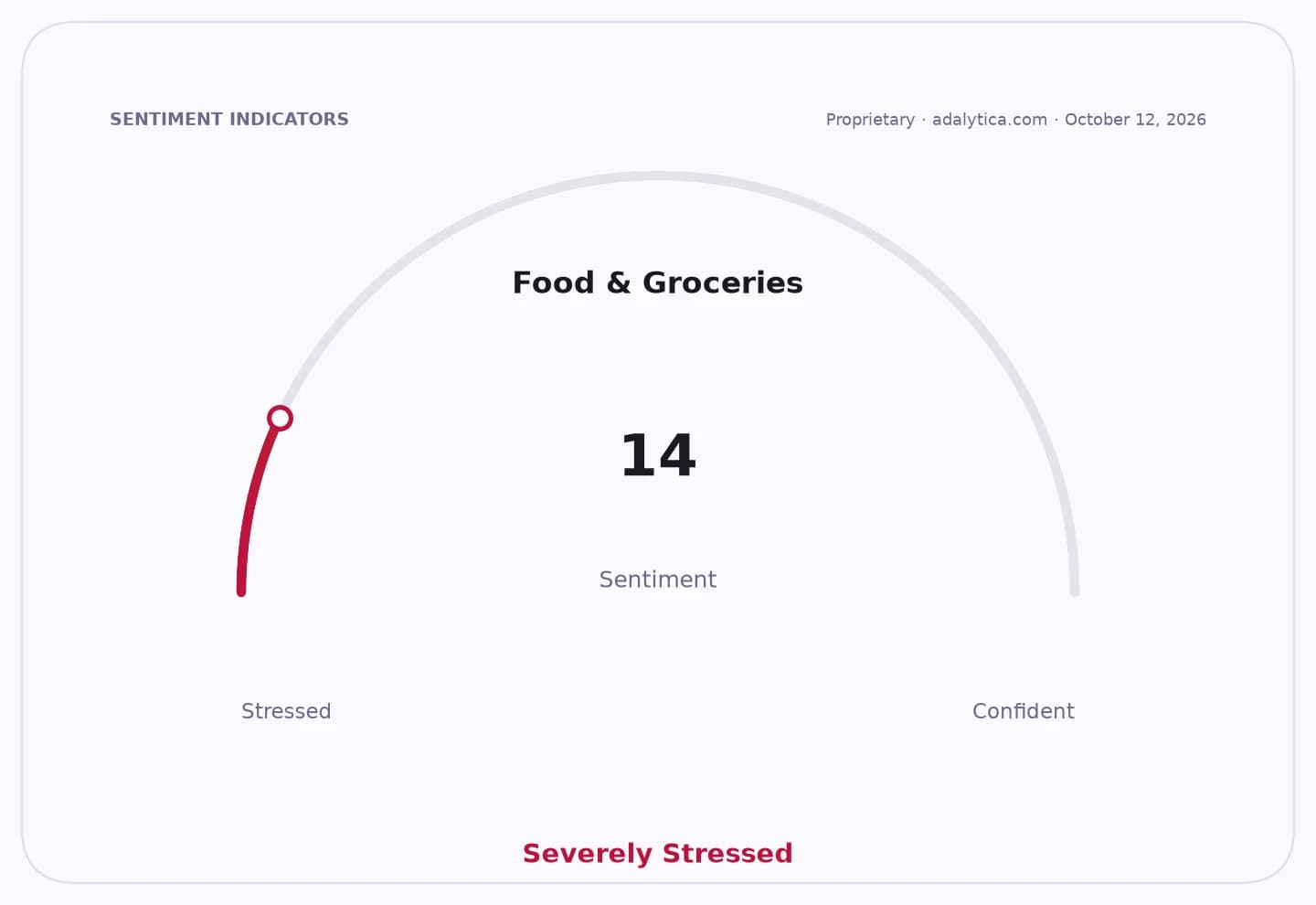
Sentiment IndicatorsⓘProprietary · adalytica.com · October 12, 2026
This is a snapshot — live sentiment, awareness and momentum for 130+ markets update continuously in the dashboard.Open AlphaPulse
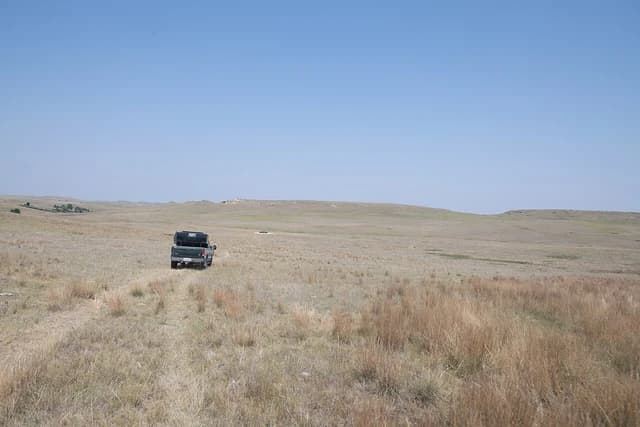
That hesitation is helping keep the U.S. cattle herd at a 75-year low of about 86 million head, according to the Agriculture Department. With fewer animals in the pipeline, beef supply stays tight, supporting elevated prices for consumers and stronger pricing power for ranchers who already have cattle to sell.
The Trump administration in August rolled out the Ranchers First Initiative, offering insurance meant to reduce downside risk for producers who hold back animals for breeding. The White House also signed a beef import agreement with Argentina days later as it sought to ease consumer prices, underscoring how little room policymakers have to force relief when herd rebuilding depends on ranchers’ private capital decisions.
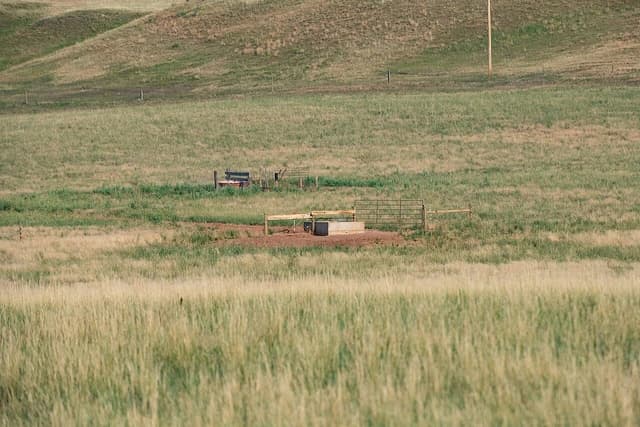
Even if more heifers are retained now, the effect on grocery bills would lag. The American Farm Bureau says consumers may not see lower U.S. beef prices for up to three years, a reminder that the cattle cycle moves slowly and that supply relief cannot be delivered quickly by policy alone.
The backdrop remains supportive for beef producers but painful for buyers: demand for beef is holding up even though pork and chicken are cheaper alternatives, and tight cattle supplies are also pushing up factory quotes in other markets such as Great Britain. For investors, that keeps the focus on meatpackers’ margins, livestock costs and any shift in herd-building incentives.
The next catalyst is whether ranchers respond to the federal insurance program and start retaining more animals, or whether high costs and cautious balance sheets keep the herd constrained into next year.
| Entity | Gains | Losses |
|---|---|---|
| Ranchers with cattle to sell | ▲High beef prices | ▼Consumers facing higher bills |
| Ranchers holding back heifers | ▲Future herd growth option | ▼Near-term cash flow |
| Meatpackers and grocers | ▲None immediately | ▼Higher input costs |
| U.S. consumers | ▲Limited choice among proteins | ▼Elevated beef prices |