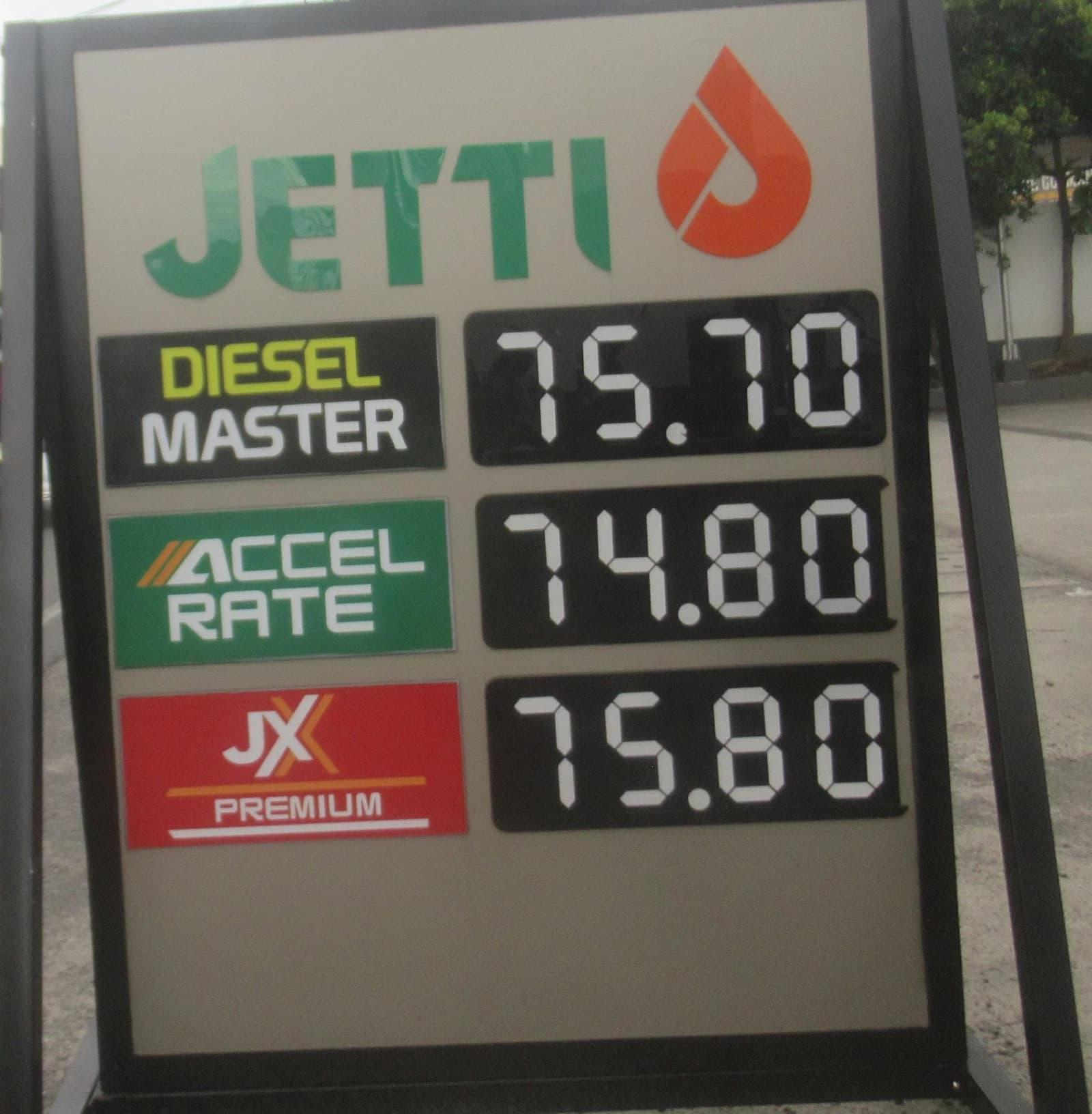
Consumer inflation is heating up again, and the rebound is most important because it risks seeping beyond the gas pump into the cost base of everyday goods and services.
U.S. inflation rises as gasoline drives September CPI
The Labor Department said consumer prices rose 3.7% in the 12 months through September, up from 3.4% in August, with gasoline prices jumping 9.1% in the month and accounting for more than half of the increase. That matters because fuel is not just a driver-cost story: it feeds through to grocery distribution, airline fares, package shipping, restaurant margins and home-service fees, widening the chance that households face higher bills just as budgets are already stretched.
Sentiment Indicators
The headline inflation rate is still far below the peaks reached earlier in the decade, but the direction of travel is what investors and policymakers will focus on. Producer prices also firmed, with the broad PPI measure rising to 295.708 in September from 287.735 in August, a sign that cost pressure is not confined to consumers alone. If businesses begin to protect margins by passing through higher transport, energy and operating expenses, the latest price rebound could prove stickier than a one-month gasoline spike might suggest.
That is why the market implications extend well beyond consumer sentiment. Higher fuel costs tend to hit households in staggered fashion: first at the pump, then in delivery charges, airfares, eating-out tabs and maintenance bills. Groceries fell 0.1% in September, but food at home remained 1.8% above a year earlier, while restaurant prices rose 3.5% year on year. Airfares were 22.4% higher than a year earlier, and package carriers and service firms are more likely to preserve fuel surcharges or minimum fees if energy remains elevated.
Consumer Spending
For investors, the inflation rebound reinforces the divide between sectors that can pass through costs and those that cannot. Consumer staples stocks, as reflected in the XLP ETF, have outperformed and closed at 90.83 on Nov. 2, above both their 50-day and 200-day moving averages, suggesting the market is still paying for defensives and pricing power. Energy stocks, tracked by the XLE ETF, briefly climbed to 70.02 before easing to 67.25, but remain well above their longer-term averages, underscoring that oil-linked names can benefit when fuel inflation returns even as other cyclicals absorb the pain. Industrials, by contrast, have been more volatile as higher transportation costs and weaker margins pressure logistics-heavy businesses.
The bond market is also telling a cautionary story. The 10-year Treasury yield was at 4.953%, near recent highs, leaving limited room for long-duration assets to absorb a more persistent inflation surprise. If inflation proves sticky, it could keep rate-cut expectations restrained and leave the Federal Reserve with less flexibility to support growth, even as consumers absorb another round of price increases.
Adalytica’s CPI sentiment reading has turned sharply higher to 71, labeled greed, after a series of swings over recent months, while consumer spending sentiment remains elevated at 82. That combination suggests households are still spending, but with less tolerance for another erosion in real purchasing power. The risk is that inflation stops being a temporary energy story and starts becoming a margin story for companies, a policy problem for central bankers and a valuation issue for rate-sensitive assets.
| Entity | Gains | Losses |
|---|---|---|
| Energy producers | ▲Higher fuel prices | ▼Consumers and transport users |
| Consumer staples | ▲Pricing power demand | ▼Shoppers’ budgets |
| Airlines and delivery firms | ▲None | ▼Margins and fares/fees |
| Treasury market bulls | ▲None | ▼Longer-duration bond holders |