Energy markets are sending mixed but economically important signals: crude oil has jumped sharply in late October while domestic gasoline prices are falling, complicating the outlook for global inflation, consumer spending and central bank policy.
Crude Oil Rises While Gasoline Prices Fall
The most immediate development is the rebound in crude. West Texas Intermediate rose to $109.72 on Oct. 23 from $85.23 a month earlier, a surge of nearly 29% that revives concerns about imported inflation, especially for economies dependent on energy imports. At the same time, energy-linked funds have strengthened: the XLE energy ETF rose to $68.93 by Oct. 29 from $65.54 on Sept. 15, while the exploration and production gauge XOP climbed back above $200, reflecting investors’ renewed appetite for upstream cash flow and hedging against supply disruption.
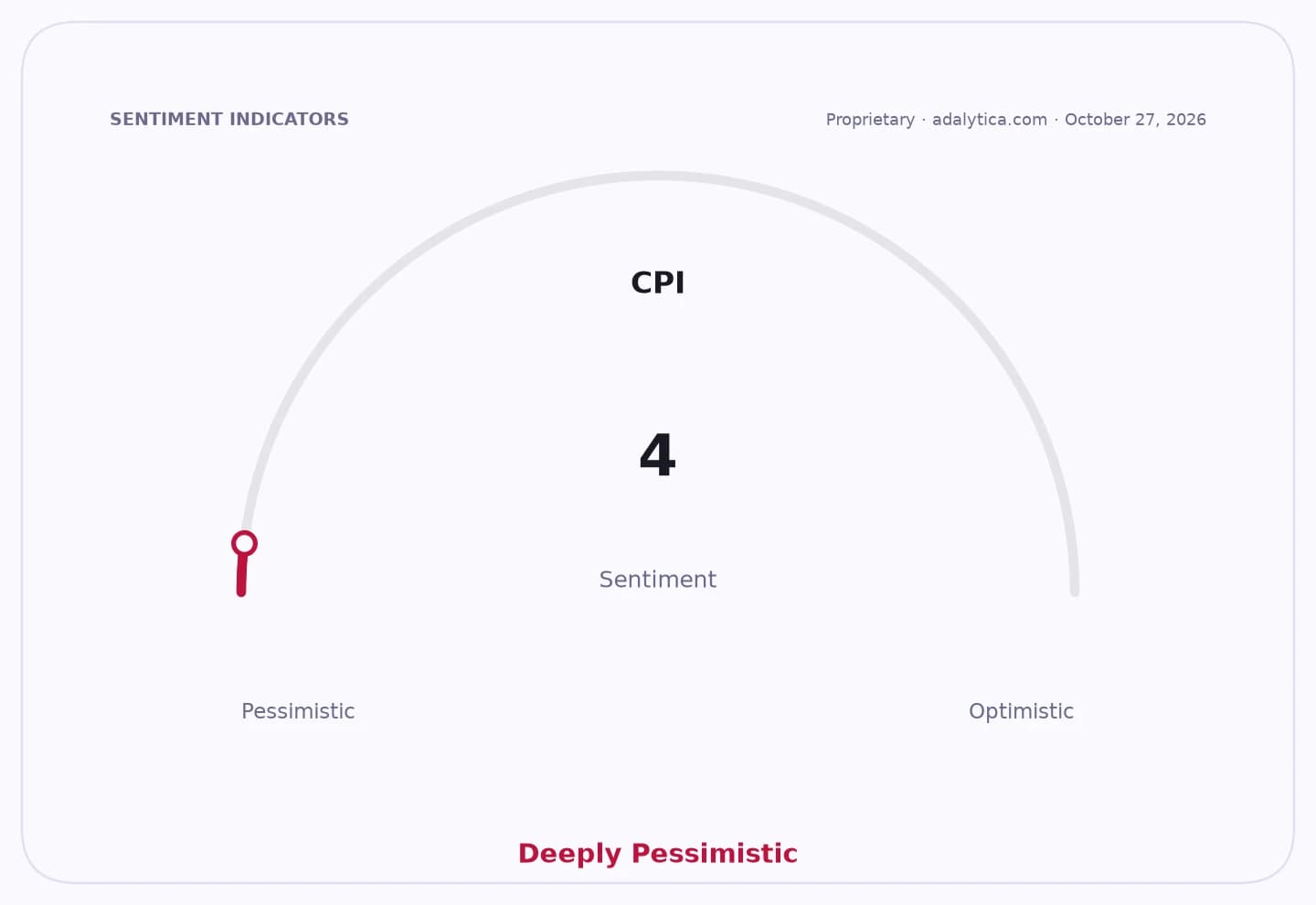
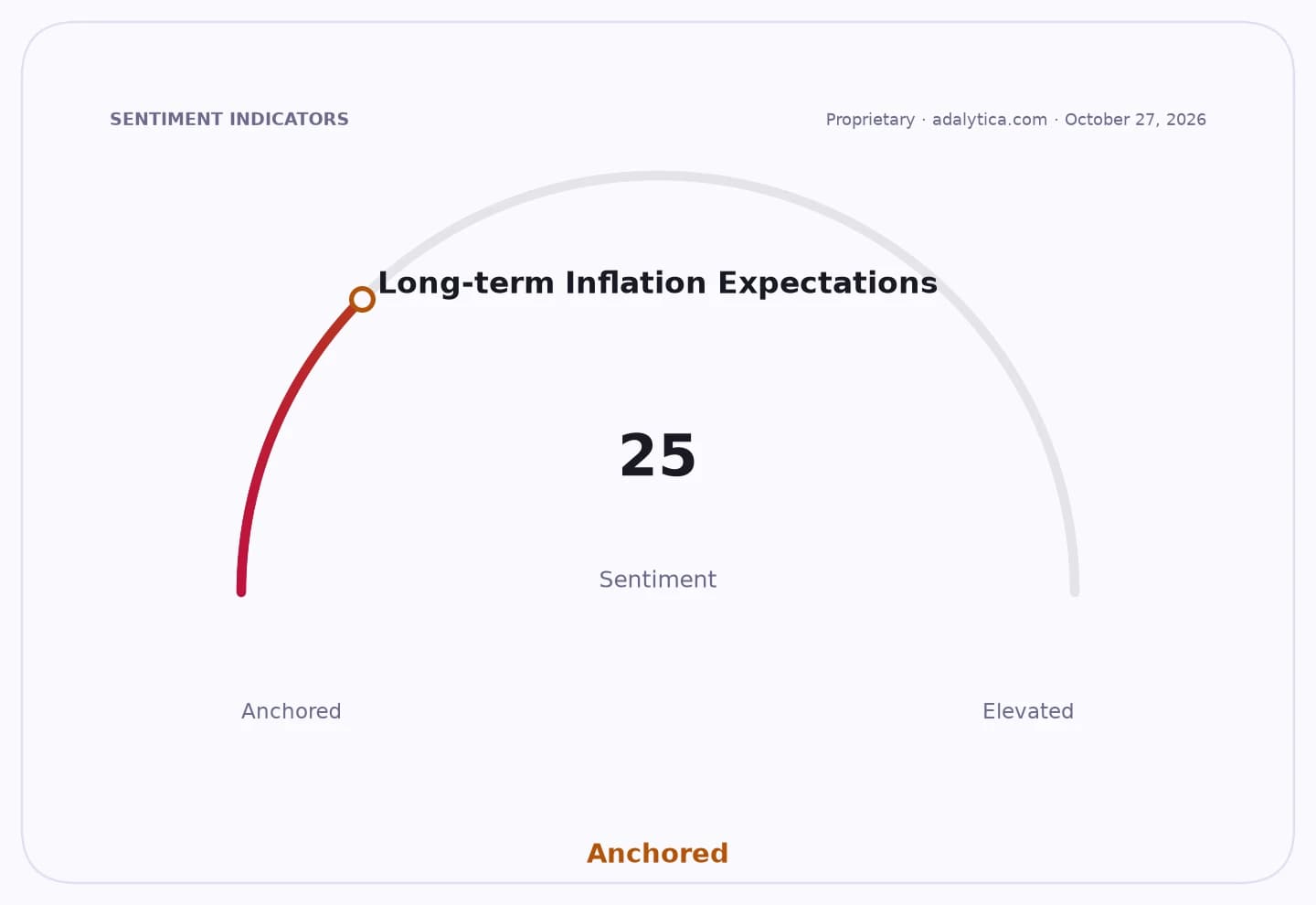
Sentiment Indicators
That matters because energy costs still sit at the center of the inflation debate. Higher oil prices feed through into transport, freight, petrochemicals and eventually food, especially in economies already vulnerable to supply shocks. The warning in the market context about global food inflation is not incidental: when fuel costs rise, crop production, fertiliser, shipping and processing all become more expensive. Even where headline inflation has eased, a fresh energy impulse can keep core prices sticky and delay any easing in monetary policy.
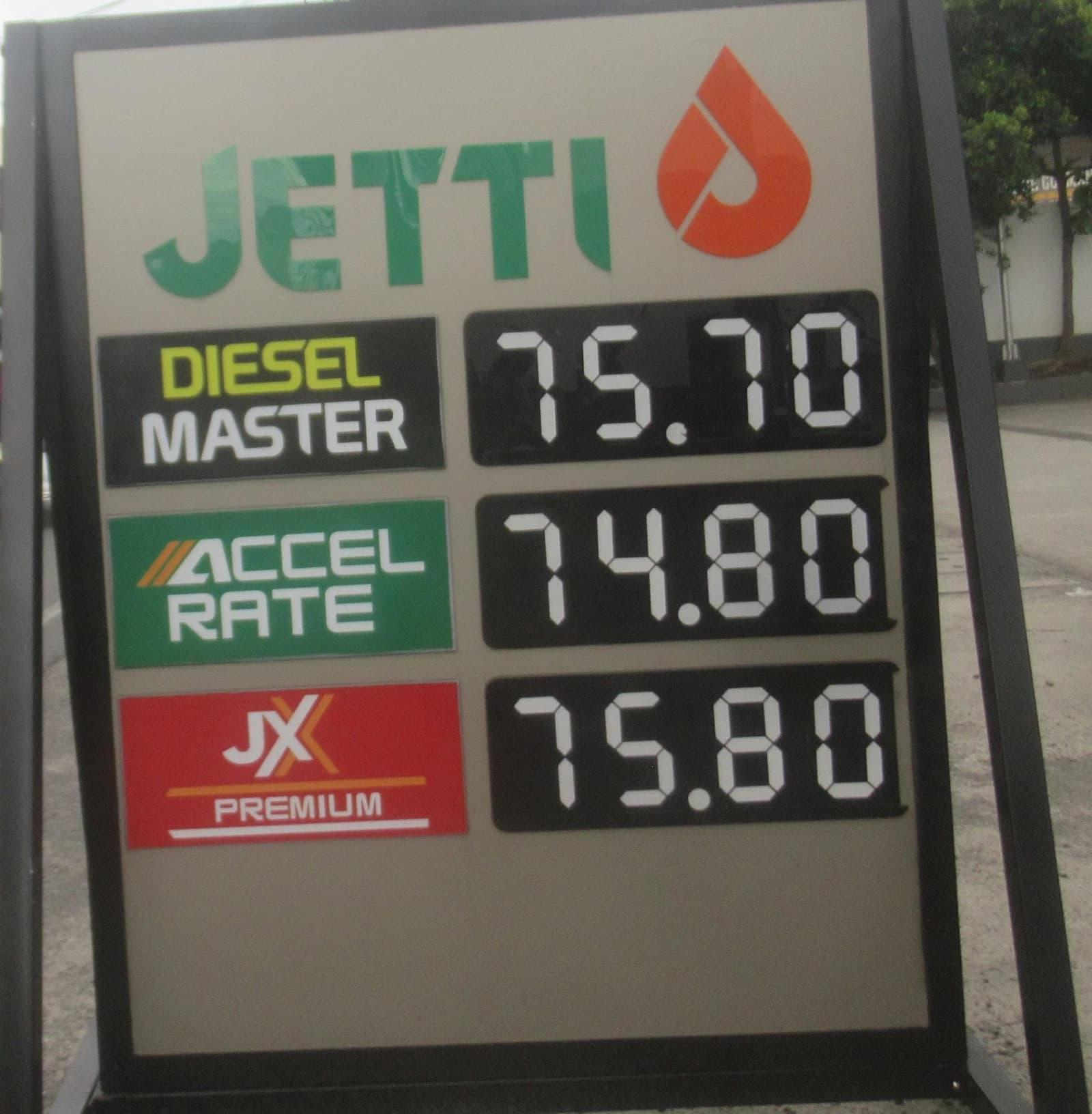
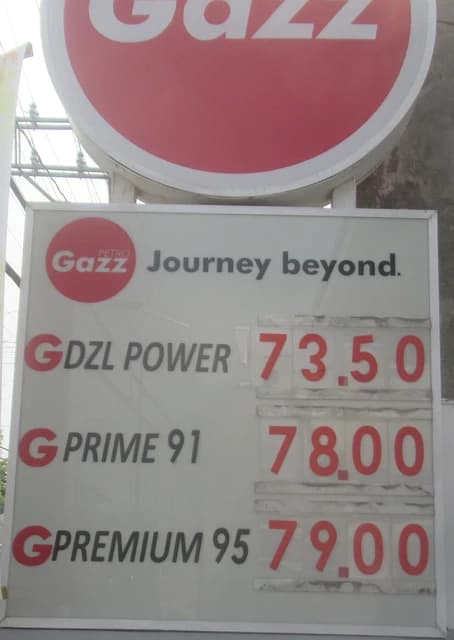
The signal is not uniform, however. U.S. gasoline prices are falling sharply in the domestic market, with the stated drop of nearly 2,000 dong per litre underscoring how local pricing can diverge from global crude moves because of taxes, inventories and regulatory adjustments. In the U.S. market, natural gas proxy UNG has fallen to $9.26 from $11.55 on Sept. 24, showing that not all energy inputs are moving in the same direction. That divergence matters for inflation traders because it suggests the next leg of price pressure may be uneven: oil-sensitive sectors may feel strain even as some household fuel costs temporarily ease.
For investors, the key issue is earnings dispersion. Integrated oil and E&P stocks typically benefit first from crude spikes, while refiners and energy-intensive businesses face margin pressure if feedstock costs rise faster than end-demand. Consumer discretionary, transport and food producers are the more obvious losers if higher crude feeds into broader inflation. Banks may also feel the effect indirectly if central banks stay restrictive for longer, even as lower gasoline prices offer some relief to household cash flow.
The narrative connecting the day’s headlines is a classic inflation transmission story: energy volatility is once again pulling macro expectations in opposite directions. A crude rally strengthens the case for persistent inflation and firmer energy equities, but falling retail fuel prices and weakening gas prices suggest the burden will not be evenly distributed. That mix leaves policymakers, commodity traders and equity investors facing a familiar problem — whether the current move is a temporary shock or the start of a broader reacceleration in prices.
| Entity | Gains | Losses |
|---|---|---|
| Oil producers | ▲Higher revenue and cash flow | ▼— |
| Energy ETF investors | ▲Near-term momentum in XLE/XOP | ▼Consumers and fuel users |
| Households in Vietnam | ▲Lower gasoline bills | ▼Fuel distributors' margins |
| Food importers/consumers | ▲— | ▼Higher logistics and input costs |