Italy’s cost of living is climbing again, and even seasonal foods and an everyday espresso are showing the strain as October inflation jumped to 5.4% while first-frost produce in Venice sells for as much as 30 euros a kilo and bar coffee rises above 1.50 euros. The squeeze matters because prices are rising faster than the economy can grow: Italian GDP barely moved in the third quarter, leaving households with less room to absorb higher food, energy and service costs.
Italy inflation rises as food and coffee prices climb
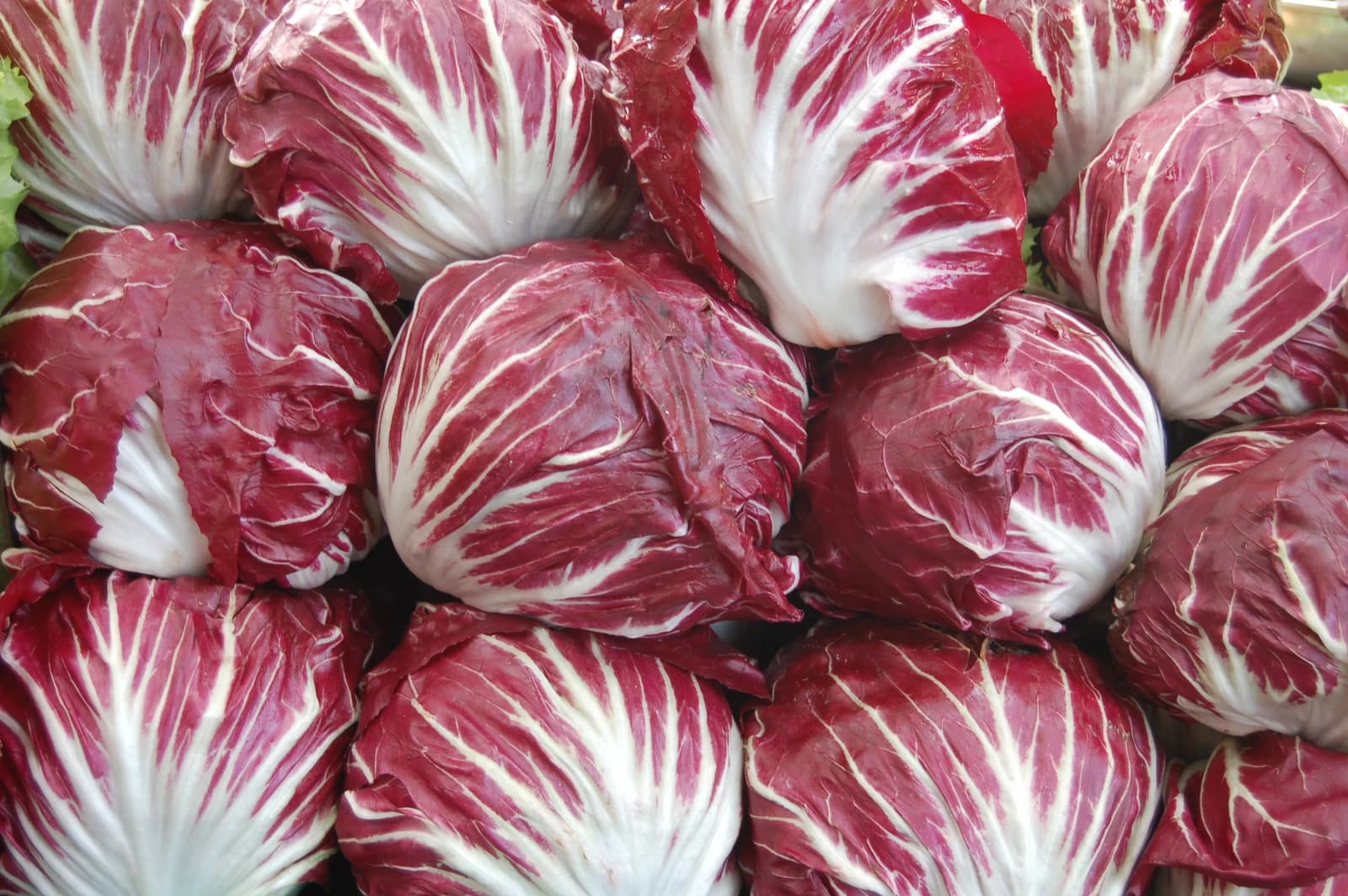
In Venice’s Rialto market, the start of the radicchio rosso di Treviso season has delivered a textbook early-season price spike, with stalls charging 22 to 30 euros a kilo. Christian Morandin, who heads the consortium protecting the product, said the pricing is typical for the opening weeks of harvest, when supply is still thin and the main production peak does not arrive until early November.
Sentiment Indicators
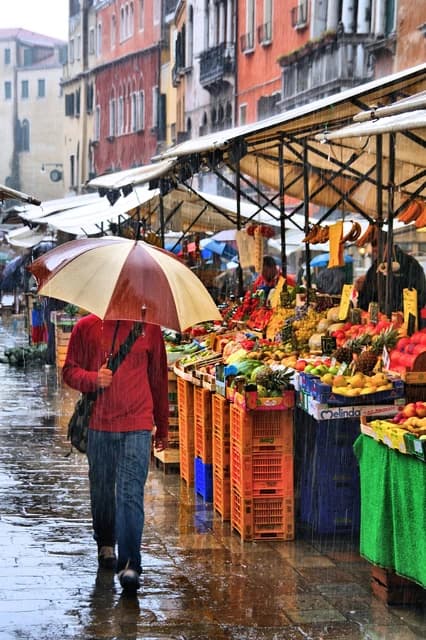
The economics are straightforward. Limited quantities at the start of the season, combined with higher logistics costs in Venice, push the retail price well above Treviso, where the same radicchio can be found for about 18 euros a kilo. Transport in the lagoon often requires boats and extra handling, making “transaction costs” a bigger part of the final bill than in mainland markets.
The same inflation logic is playing out in cafés. The price of a cup of coffee has climbed to more than 1.50 euros as imported raw materials, energy and card-payment commissions add to costs for bars already dealing with tighter margins. For consumers, that turns a routine daily purchase into another reminder that sticky service prices are not easing quickly.
For investors, the story points to a more persistent inflation backdrop in Italy than many expected, with higher food and service costs complicating the outlook for retail spending and real wages. That is a headwind for consumer-facing businesses and a backdrop that could keep pressure on policymakers as they try to balance inflation control with a stagnating economy and a government growth target of 1% for 2026.
The market signal is broader than Venice’s markets: Italy is facing cost pressure from energy, wages that are not keeping pace, and weak underlying growth. Unless food and service inflation cools in the coming months, households are likely to keep trading down, while operators in hospitality and grocery distribution continue to pass along higher input costs where they can.
| Entity | Gains | Losses |
|---|---|---|
| Radicchio growers | ▲High early-season prices | ▼Thin volume limits sales |
| Venetian fruit sellers | ▲Better margins per kilo | ▼Slower price-sensitive demand |
| Coffee bars | ▲Can pass on costs | ▼Customer pushback on prices |
| Italian households | ▲Seasonal product availability | ▼Higher food and daily living costs |