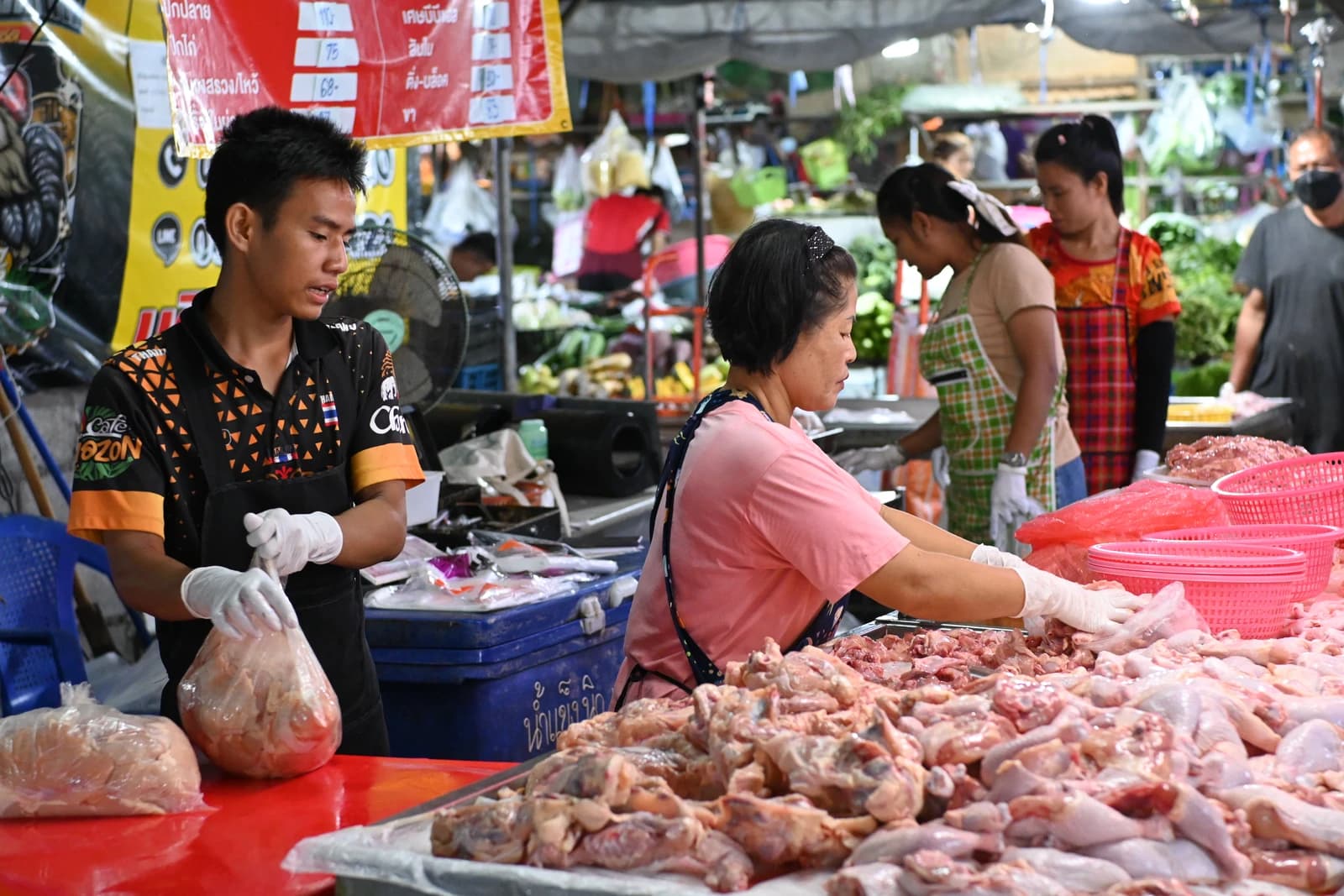
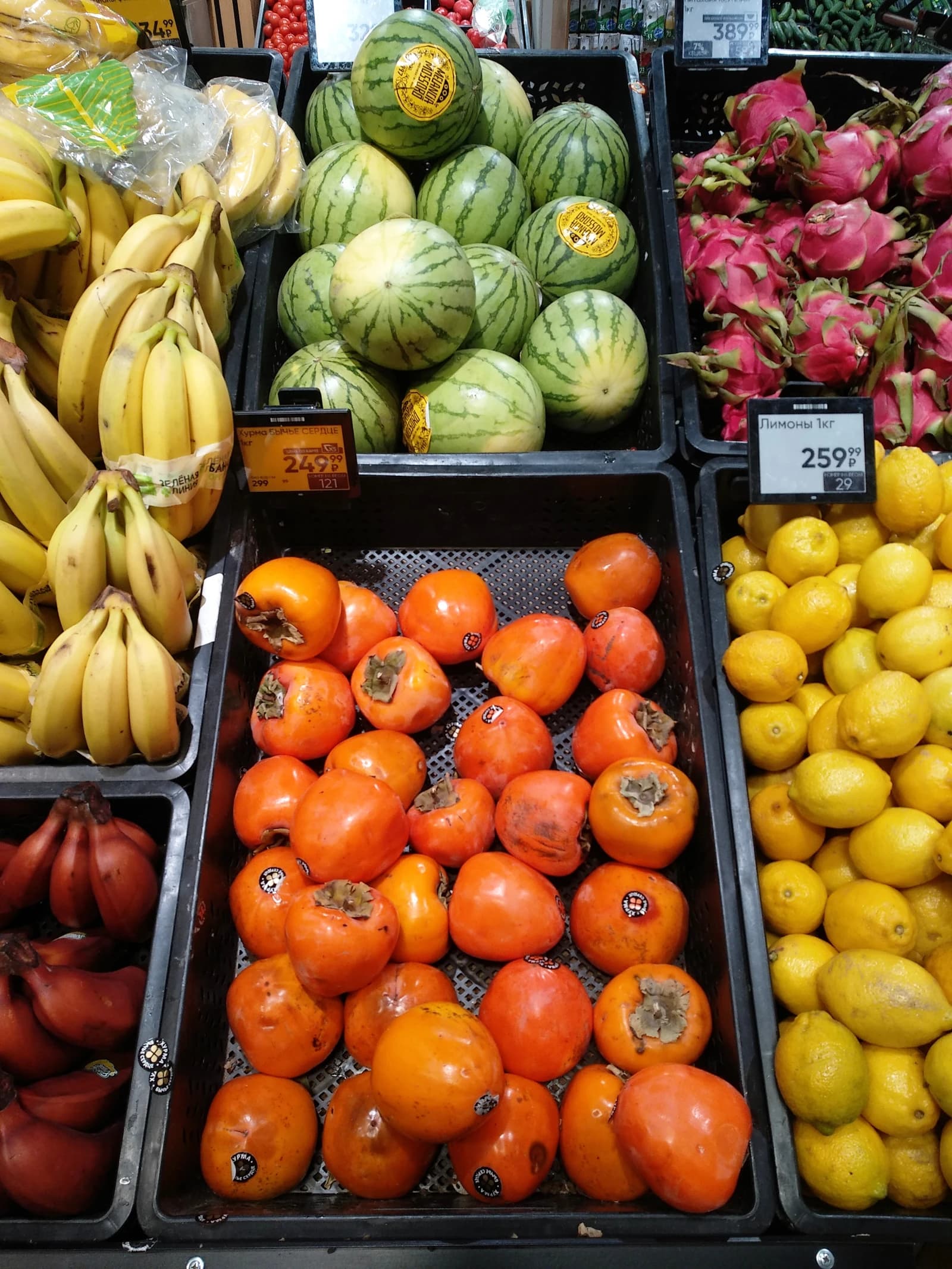
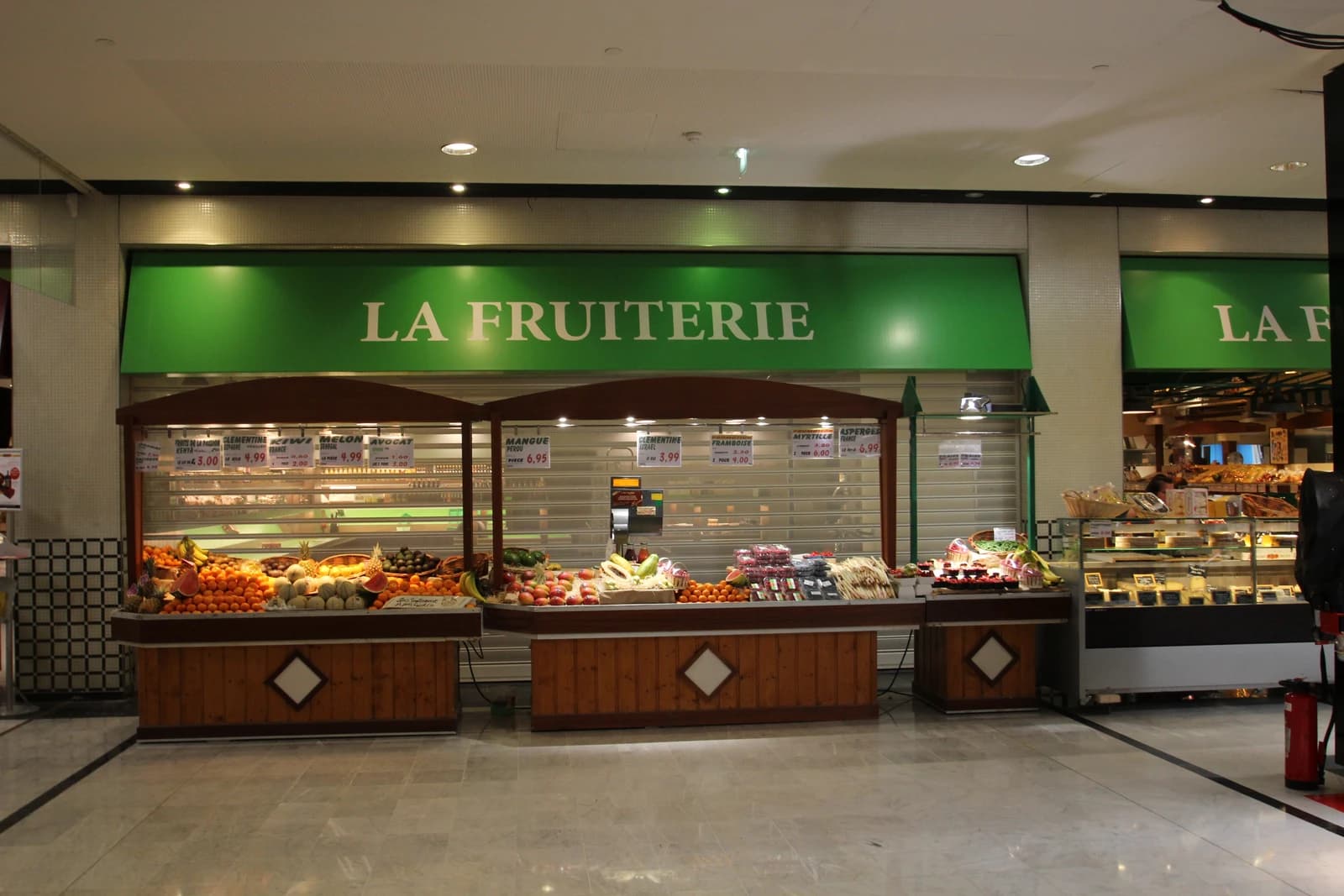
Bulgaria’s wholesale food market turned mixed this week, with most vegetables getting more expensive even as several basic staples, dairy products and cooking inputs declined, a sign that household food bills remain under pressure but are not moving in a straight line.
Bulgaria wholesale food prices rise as vegetables climb
The move matters because food is still one of the most visible drivers of inflation and consumer sentiment in Bulgaria, where swings in wholesale prices quickly feed into retail shelves, restaurant costs and household budgets. The country’s wholesale food price index rose 0.21% on the week to 2.360 points, up from 2.355, suggesting underlying price pressure persists even as some key categories soften.
Sentiment Indicators
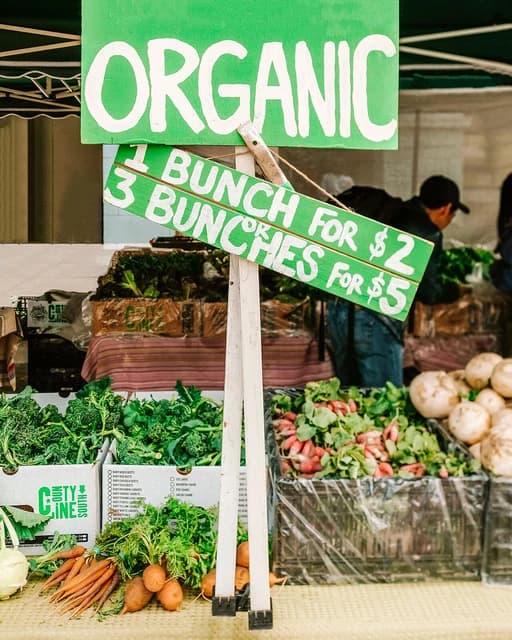
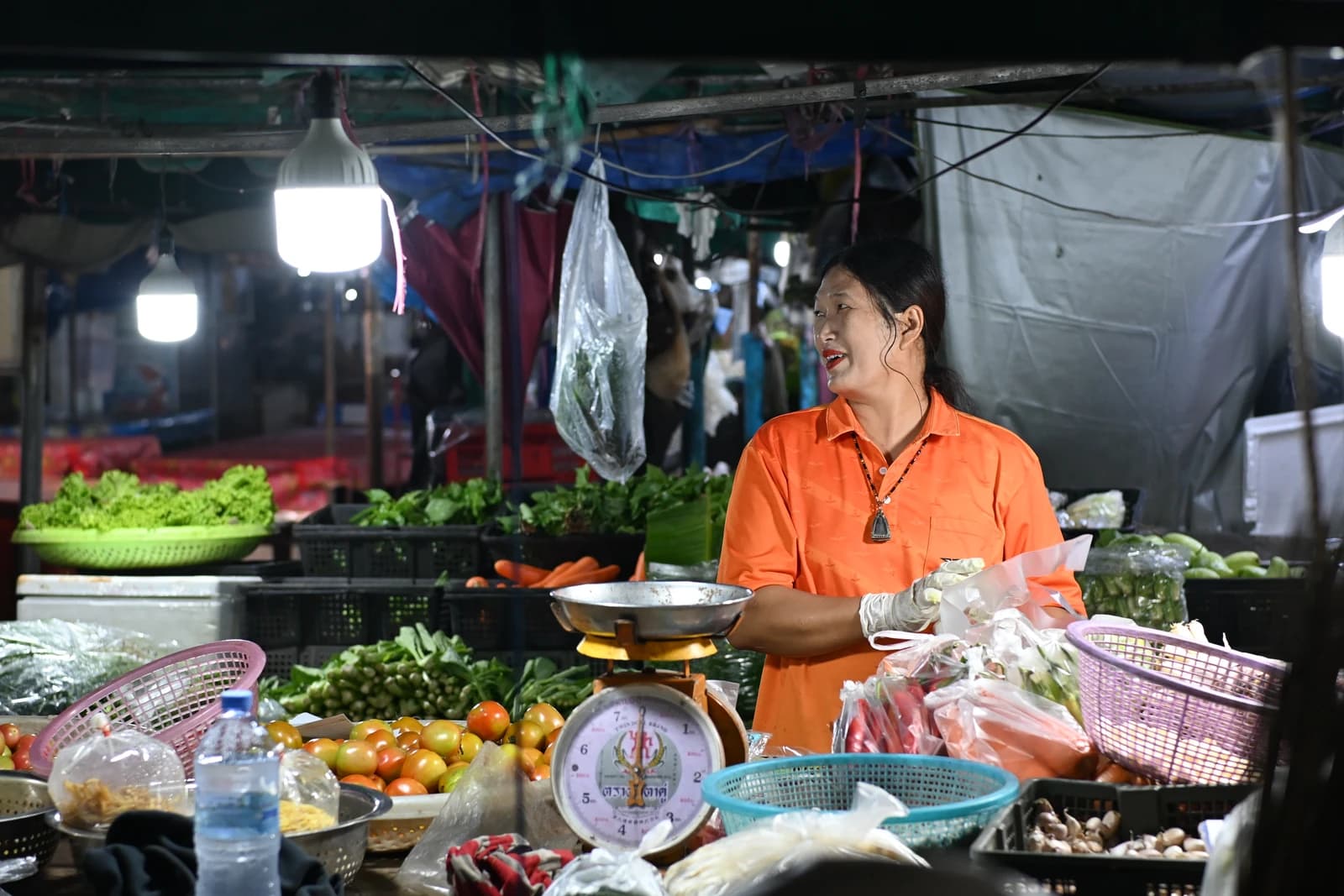
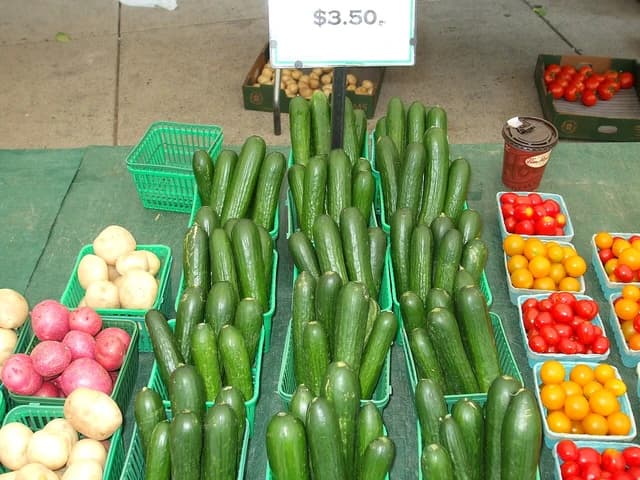
The biggest increase came in zucchini, which jumped 18.36% to 1.07 euros a kilogram. Tomatoes rose 10.24% to 0.59 euros, red peppers gained 7.26% to 1.33 euros and cucumbers were up 4.59% to 1.55 euros. Potatoes, carrots and cabbage also posted gains. That kind of broad vegetable inflation is important because fresh produce is highly visible to consumers and often sets the tone for near-term food-price expectations.
At the same time, several core food items moved lower. Sugar fell 3.43% to 0.90 euros a kilogram, flour type 500 dropped 2.82% to 0.62 euros and sunflower oil slipped 2.05% to 1.72 euros a liter. Cow’s cheese eased 1.19% to 5.97 euros a kilogram and butter fell 3.06% to 1.33 euros for a 125-gram pack. Those declines should help limit pass-through into household spending, even as the vegetable basket stays volatile.
The split trend also suggests the food market is being shaped more by supply-specific factors than by a single broad demand shock. Seasonal availability, weather conditions and logistics typically drive sharp moves in fresh produce, while staples such as flour, oil and sugar often reflect wider commodity and processing-cost trends. For investors, that matters because persistent food volatility can complicate the inflation outlook and keep pressure on retailers, food producers and consumer-facing businesses with weak pricing power.
For Bulgarian consumers, the net effect is a mixed picture: some relief in basic pantry goods, but continued strain in the categories that dominate fresh grocery spending. If vegetable prices stay elevated into the next market cycle, they could feed into headline inflation and keep policymakers focused on food affordability, even as easing in staples offers a partial offset.
| Entity | Gains | Losses |
|---|---|---|
| Bulgarian consumers | ▲cheaper staples and dairy | ▼pricier fresh vegetables |
| Food retailers | ▲lower costs in some inputs | ▼weaker margin control on produce |
| Vegetable producers/suppliers | ▲higher wholesale prices | ▼consumers facing higher bills |
| Households on fixed incomes | ▲relief from falling oil, flour, sugar | ▼budget pressure from fresh food inflation |