Nigerian households are finally catching a break at the dinner table, and the biggest relief is coming from cheaper chicken.
Nigeria jollof rice costs fall on cheaper chicken
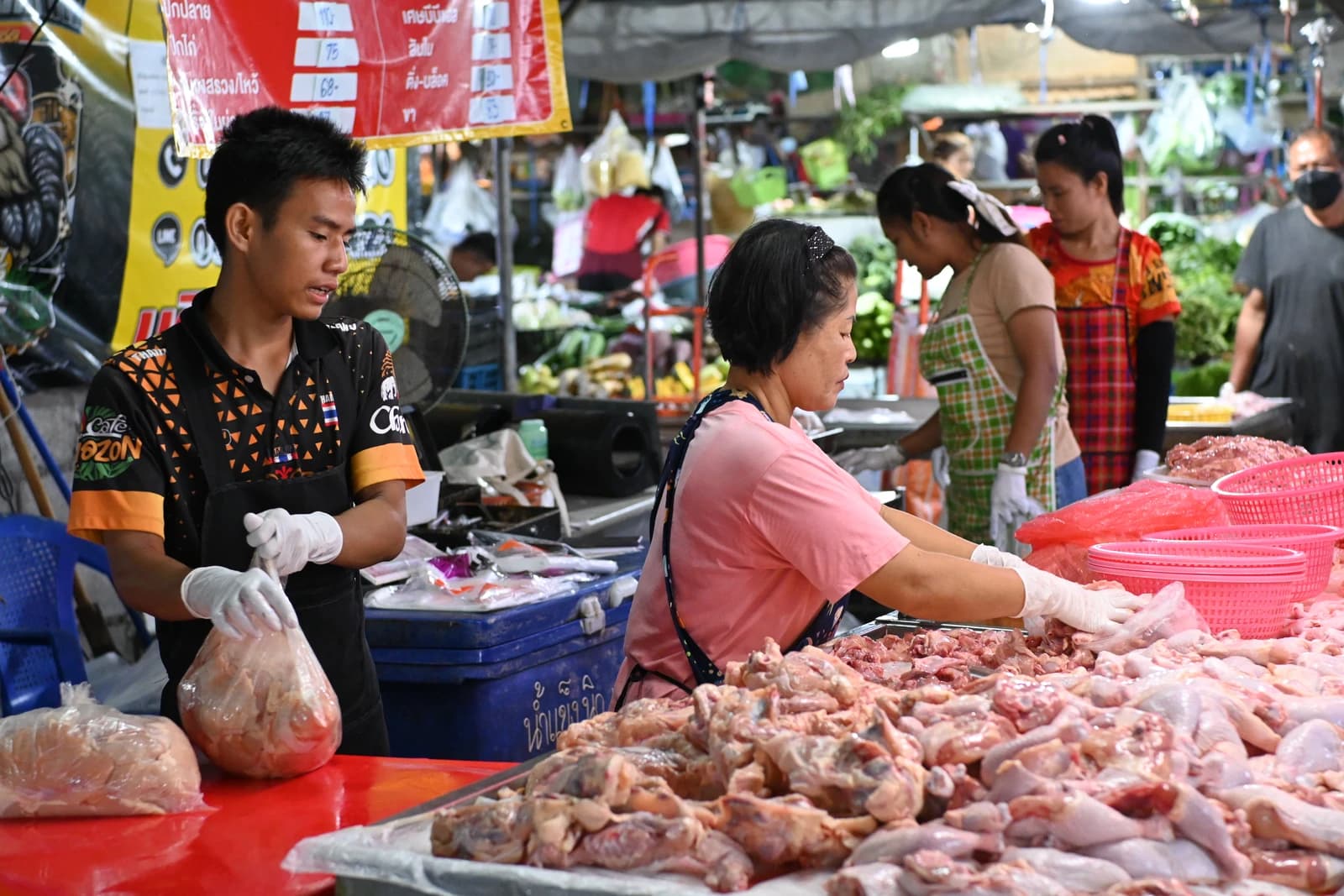
The cost of cooking a pot of jollof rice fell 11.5% in the third quarter to 26,178 naira, according to SBM Intelligence, as poultry, beef and vegetable oil prices eased across much of the country. That matters because food inflation has been one of the sharpest drains on Nigerian consumers’ budgets, and even this drop still leaves everyday meals far more expensive than they were a year ago.
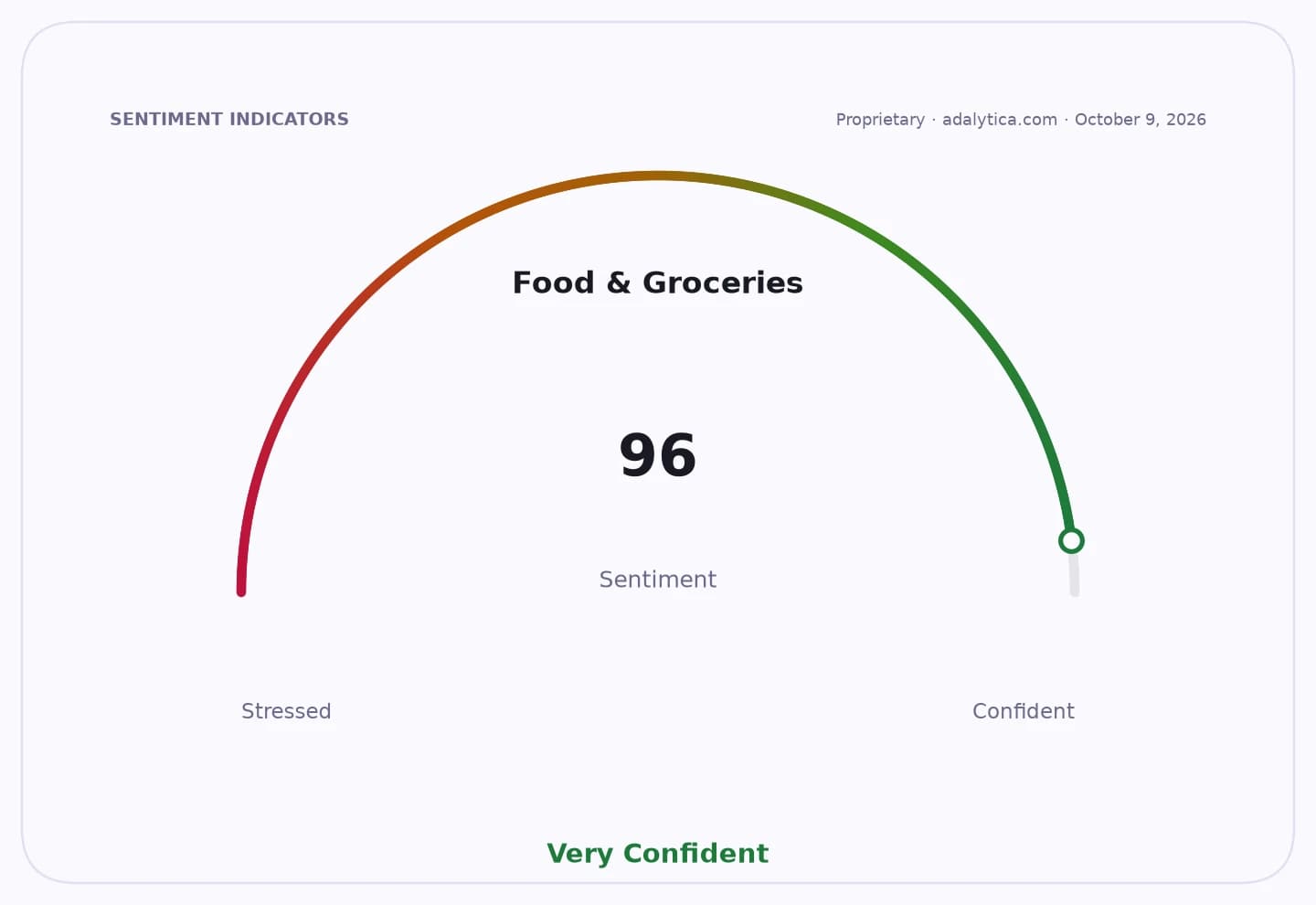
Sentiment Indicators
The report is important for investors and policymakers because it shows the first meaningful signs that food price pressure is starting to cool, even if unevenly. Jollof rice is not just a popular dish; it is a useful proxy for household food costs in Nigeria, where families feel inflation most directly through staples, proteins and cooking oil. A 3,400-naira quarterly decline may not sound dramatic, but it is the steepest fall since SBM began tracking the index in 2016, suggesting supply conditions are finally improving after months of strain.
Chicken prices played an outsized role in the relief. SBM said falling chicken and beef costs accounted for a major share of the decline, while vegetable oil was cheaper in nine of the 13 markets surveyed. In Lagos, 90 centilitres of vegetable oil fell from 5,000 naira to 3,000 naira, and the cost of preparing jollof rice at Trade Fair and Balogun markets dropped 35.6% to 22,350 naira. That kind of price reset is meaningful because it can quickly alter shopping behavior, bring consumers back to proteins they had given up on, and lift volumes for poultry and food distributors.
The savings were not spread evenly. Port Harcourt was the only surveyed location where jollof prices rose, climbing 2.6% after flooding disrupted local market conditions. Calabar stayed among the priciest markets, underlining how fragile Nigeria’s food supply chain remains when transport, weather and regional logistics turn against consumers. Even the report’s warning about a recording error in two Ibadan markets is a reminder that inflation data in Nigeria can be messy, volatile and highly local.
Still, the direction is encouraging. The National Bureau of Statistics said food inflation eased from 20.31% in July to 19.57% in August, and SBM’s findings suggest that some of that improvement is flowing through to the market basket. One respondent in Kano said he had resumed buying chicken weekly after the price per kilogram fell from 7,000 naira to 4,500 naira. That is what disinflation looks like in real life: not an abstract index move, but a household regaining a bit of purchasing power.
For investors, the message is straightforward. Softer food prices can help consumer sentiment, reduce pressure on central bank policy and support discretionary spending over time. It also matters for companies tied to poultry, packaged foods and staples, where volumes may improve if consumers return to protein-heavy meals. But the long-term outlook still depends on whether this is the start of a sustained trend or just a temporary reprieve after a punishing stretch of inflation.
The bigger takeaway is that Nigeria’s food shock is easing, not ending. Prices are still about 5.8% higher than in September 2025 and roughly 540% above 2016 levels, so households are nowhere near the comfort zone. Yet for investors looking at consumer demand, the first sign of relief is worth watching: when chicken gets cheaper, the entire food chain can start to normalize.
| Entity | Gains | Losses |
|---|---|---|
| Nigerian households | ▲Lower meal costs | ▼Less pressure on budgets |
| Poultry farmers/retailers | ▲Higher volumes from returning buyers | ▼Lower selling prices |
| Food importers/suppliers | ▲Softer input and retail inflation | ▼Margin pressure if prices keep falling |
| Consumers in flood-hit areas | ▲Little immediate benefit | ▼Higher local food costs |