Nigeria’s annual inflation eased in September, but the drop does little to change the bigger investment story: price pressures are still running hot where it hurts most, at the kitchen table.
Nigeria Inflation Eases to 14.63% in September

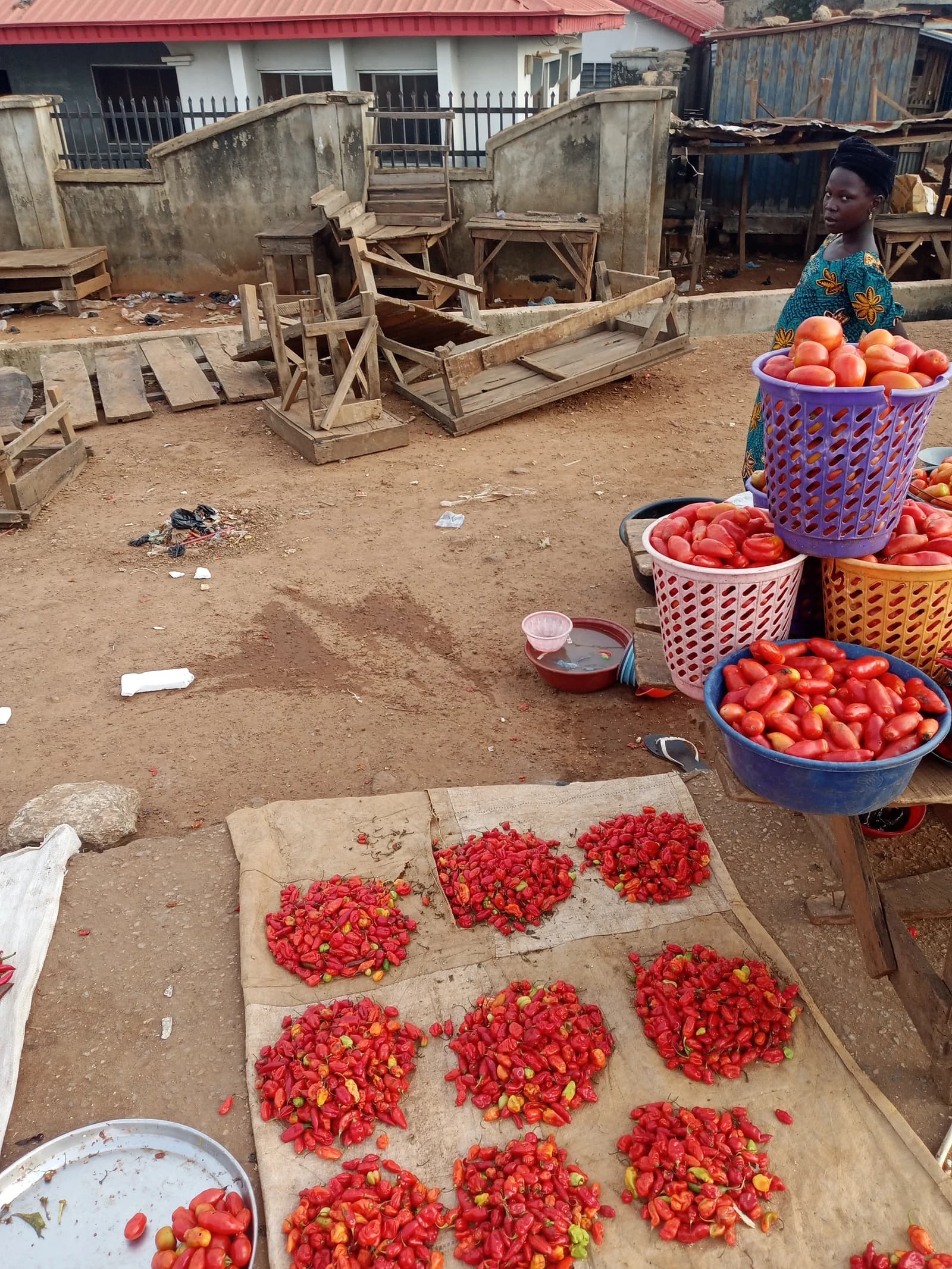
The consumer price index rose 14.63% from a year earlier, down from 15.39% in August, according to the National Bureau of Statistics, while food inflation inched up to 19.59% from 19.57%. That split matters because food carries the heaviest weight in household spending and remains the clearest measure of whether Nigeria’s reforms are easing the cost-of-living squeeze or merely slowing the pace of pain.
Sentiment IndicatorsⓘProprietary · adalytica.com · October 19, 2026
This is a snapshot — live sentiment, awareness and momentum for 130+ markets update continuously in the dashboard.Open AlphaPulse
For President Bola Tinubu’s government, the headline decline offers a modest sign that the aggressive policy reset launched in 2023 is beginning to work. Removing fuel subsidies and allowing the naira to weaken were meant to repair public finances, restore market pricing and ultimately attract capital back into Africa’s largest economy. Investors have been looking for exactly this kind of evidence: that inflation is cooling enough to support policy credibility without derailing growth.
Still, the data also show why confidence will stay fragile. Food prices continue to rise, and that keeps real incomes under pressure even as the broader inflation rate retreats. For consumers, the difference between 15.39% and 14.63% is far less important than the fact that staples remain expensive. For businesses, especially retailers, consumer goods groups and lenders, persistent food inflation can crimp demand, weaken margins and keep interest rates elevated for longer.
That is why the market takeaway is not that Nigeria’s inflation problem is solved, but that it may be moving in the right direction. If the central bank can keep price growth cooling while fiscal reforms improve investor sentiment, Nigeria could strengthen its case as a long-term emerging-market opportunity. Central Bank Governor Olayemi Cardoso has argued that sustained macro stability and policy consistency are key to drawing in long-term capital, and this report supports that thesis, however unevenly.
For investors, the best read is cautious optimism. Nigeria is still a story about reform, credibility and patience, not quick gains. Inflation needs to keep falling, food costs need to cool more decisively, and security risks remain a drag on growth. But if the disinflation trend continues, it could gradually improve the outlook for local equities, consumer spending and the broader economy over the next several years.
| Entity | Gains | Losses |
|---|---|---|
| Nigerian government | ▲Reform credibility | ▼Near-term relief from cost pressures |
| Consumers | ▲Slightly slower headline inflation | ▼Food-buying power |
| Local businesses | ▲Better long-term stability | ▼Weak household demand |
| Investors | ▲Reform-backed opportunity | ▼Short-term policy and inflation risk |