Nigeria’s inflation rate jumped to 20.8% in September, the highest reading since 2005, as soaring food prices kept the cost of living under pressure and complicated the government’s effort to stabilize Africa’s biggest economy.
Nigeria Inflation Rises to 20.8% in September

The latest Consumer Price Index report from the National Bureau of Statistics shows inflation accelerating from 20.52% in August, underscoring how persistent price gains are eroding household purchasing power even after earlier signs of moderation. Food carries outsized weight in Nigeria’s inflation basket, so higher staple prices hit consumers quickly and broadly, especially lower-income households that spend most of their income on necessities.
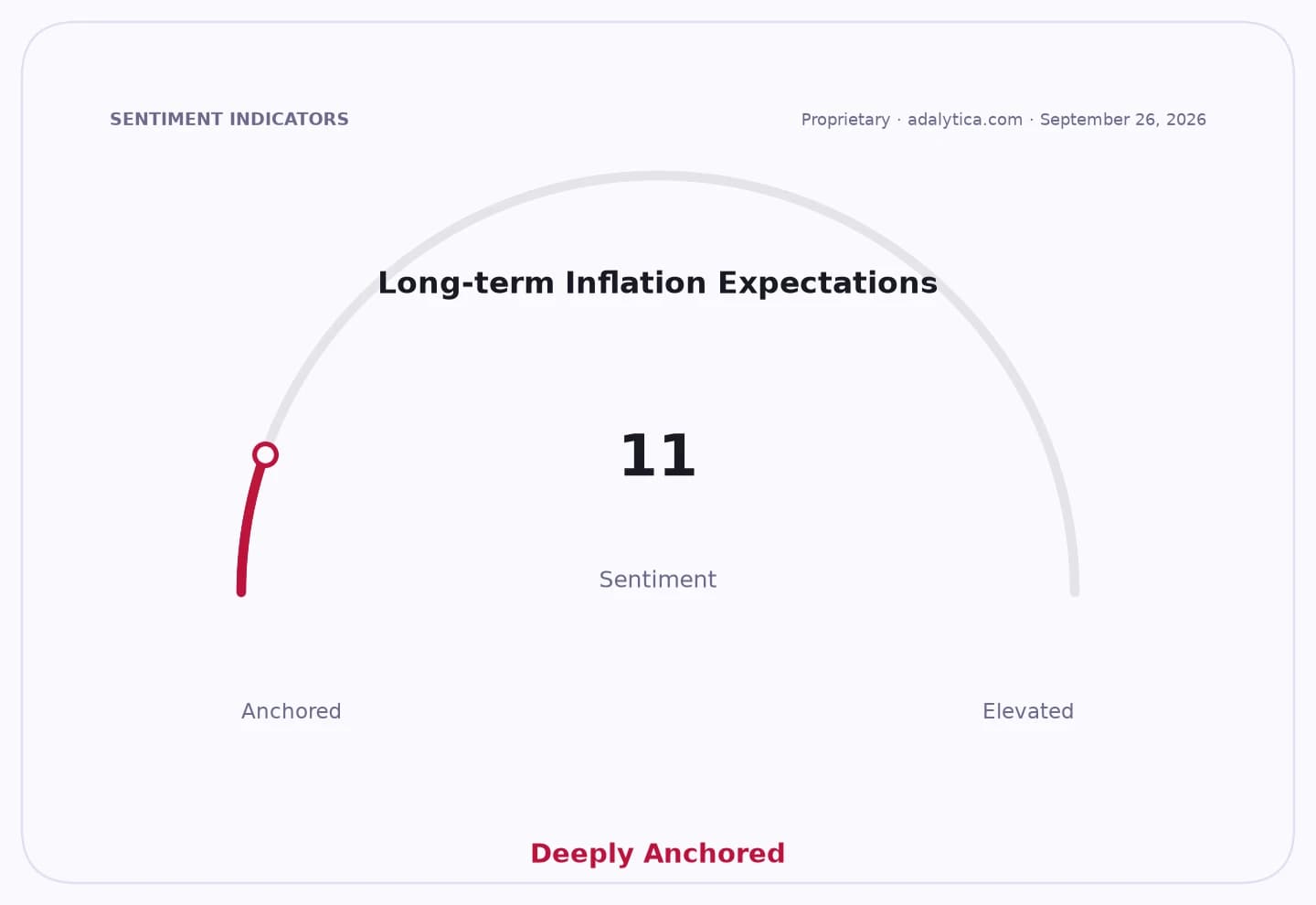
Sentiment IndicatorsⓘProprietary · adalytica.com · October 22, 2026
This is a snapshot — live sentiment, awareness and momentum for 130+ markets update continuously in the dashboard.Open AlphaPulse

For policymakers, the print raises the stakes on monetary tightening and fiscal reform. Elevated inflation makes it harder for the central bank to restore price stability without further squeezing credit conditions, while the government faces pressure to contain food supply bottlenecks, transport costs and currency-driven import prices.
Investors will read the data as another sign that Nigeria’s macro recovery remains fragile despite stronger foreign reserves and a steady flow of diaspora remittances. Persistently high inflation can weaken consumer demand, strain corporate margins and keep local borrowing costs elevated, limiting the upside for domestic equities and fixed income.

The report leaves Nigeria with little room for complacency heading into the next policy decision, with markets watching whether food inflation eases or whether another leg higher forces officials to lean harder on reforms and supply-side support.
| Entity | Gains | Losses |
|---|---|---|
| Nigerian consumers | ▲None | ▼Lower real incomes |
| Central bank | ▲Policy urgency | ▼Easier inflation fight |
| Food retailers/producers | ▲Higher nominal pricing power | ▼Demand destruction risk |
| Bondholders/borrowers | ▲None | ▼Higher rate pressure |