Poultry farmers are facing a sharp jump in feed costs as drought and higher corn prices squeeze supplies, raising the odds that eggs, chicken and milk get more expensive for households already strained by inflation.
India Feed Costs Rise as Drought Hits Poultry, Dairy
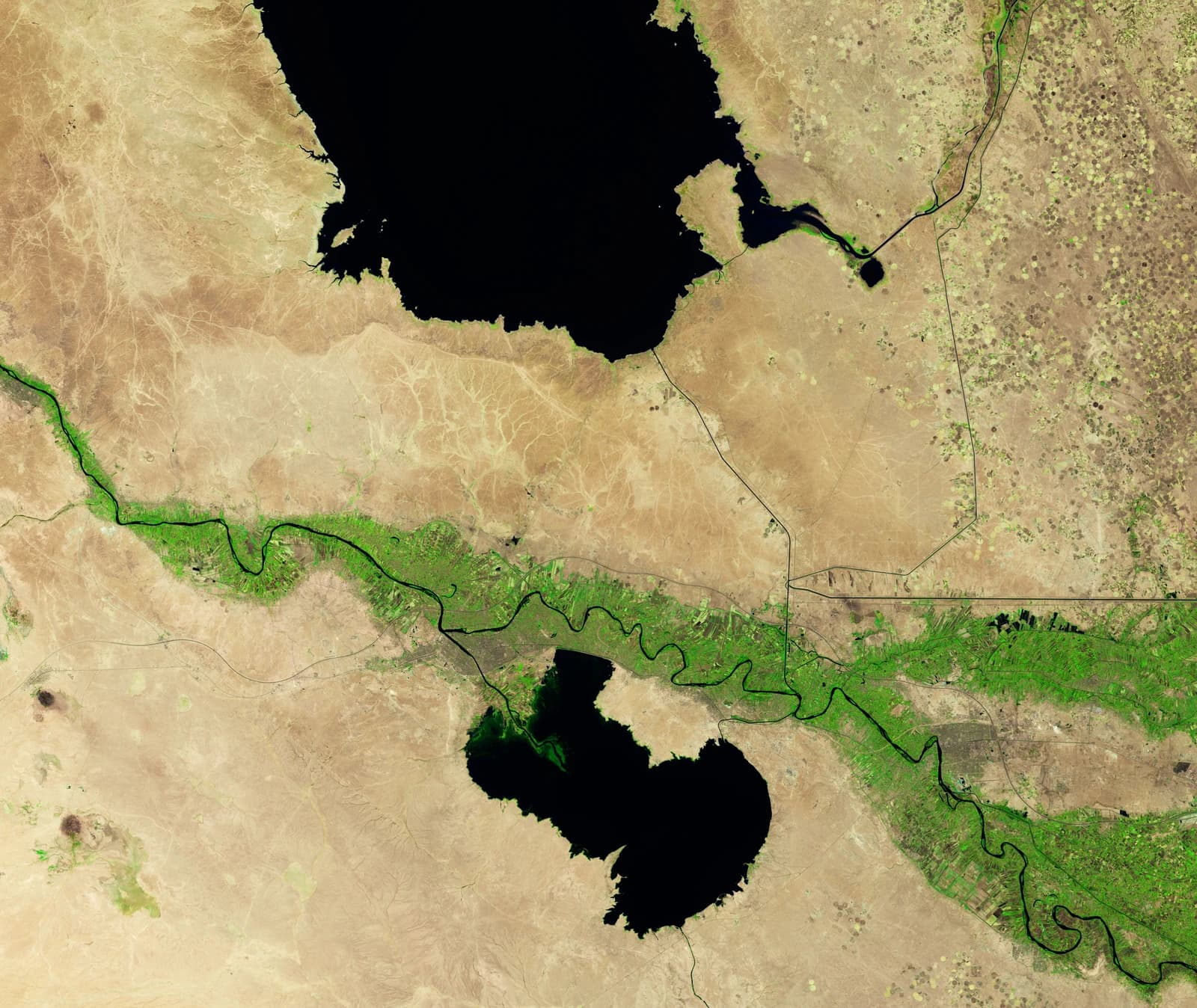
That matters because animal feed is the biggest cost line for poultry and dairy producers. In Maharashtra, one of India’s major farming states, industry reports cited in local media say some feed ingredients have risen 43% to 75%, leaving poultry operators with losses of about 15% as they struggle to pass on the increase in a weak market. Dairy farmers in drought-hit areas are facing an even more basic problem: finding enough fodder to keep cattle fed.
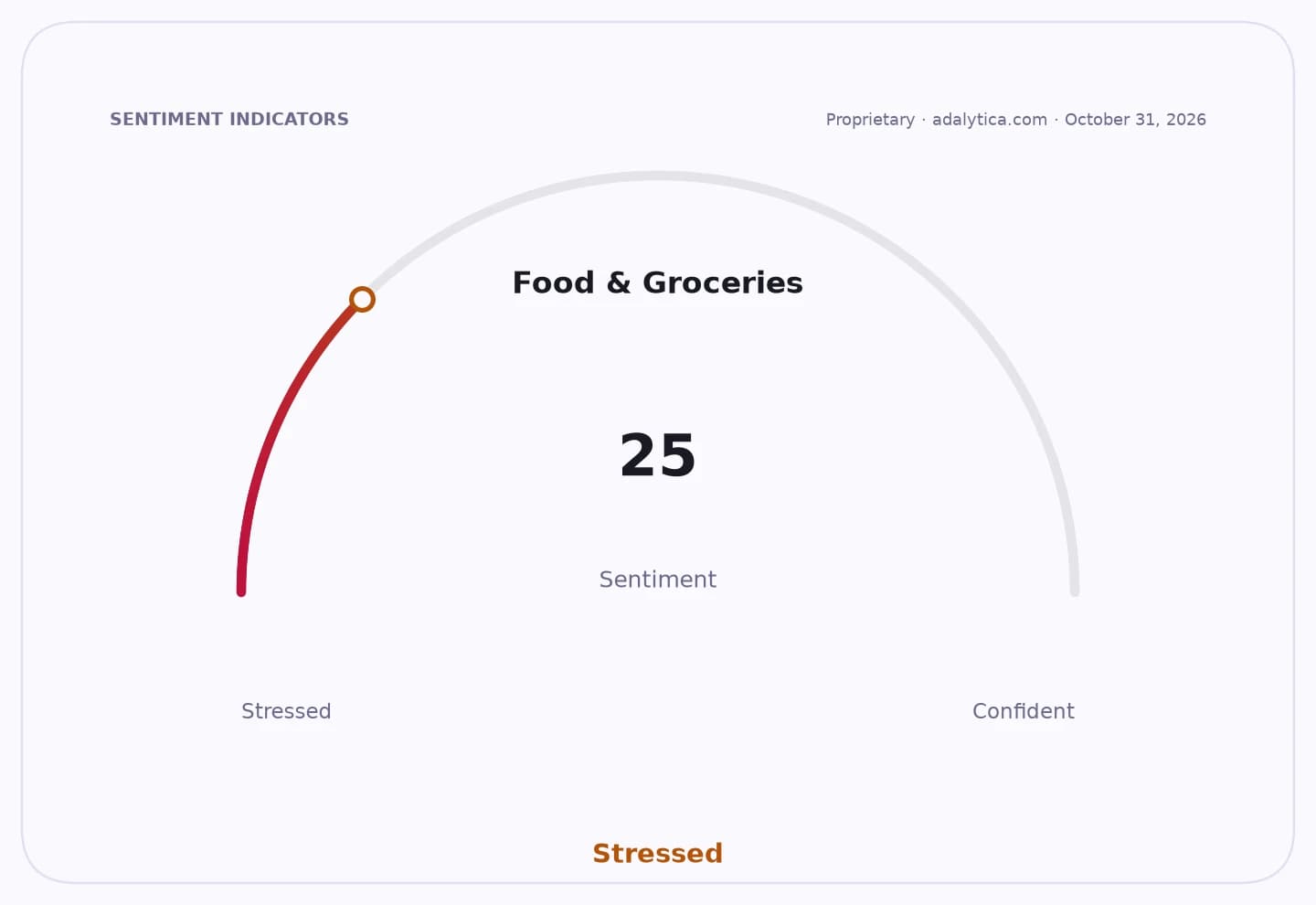
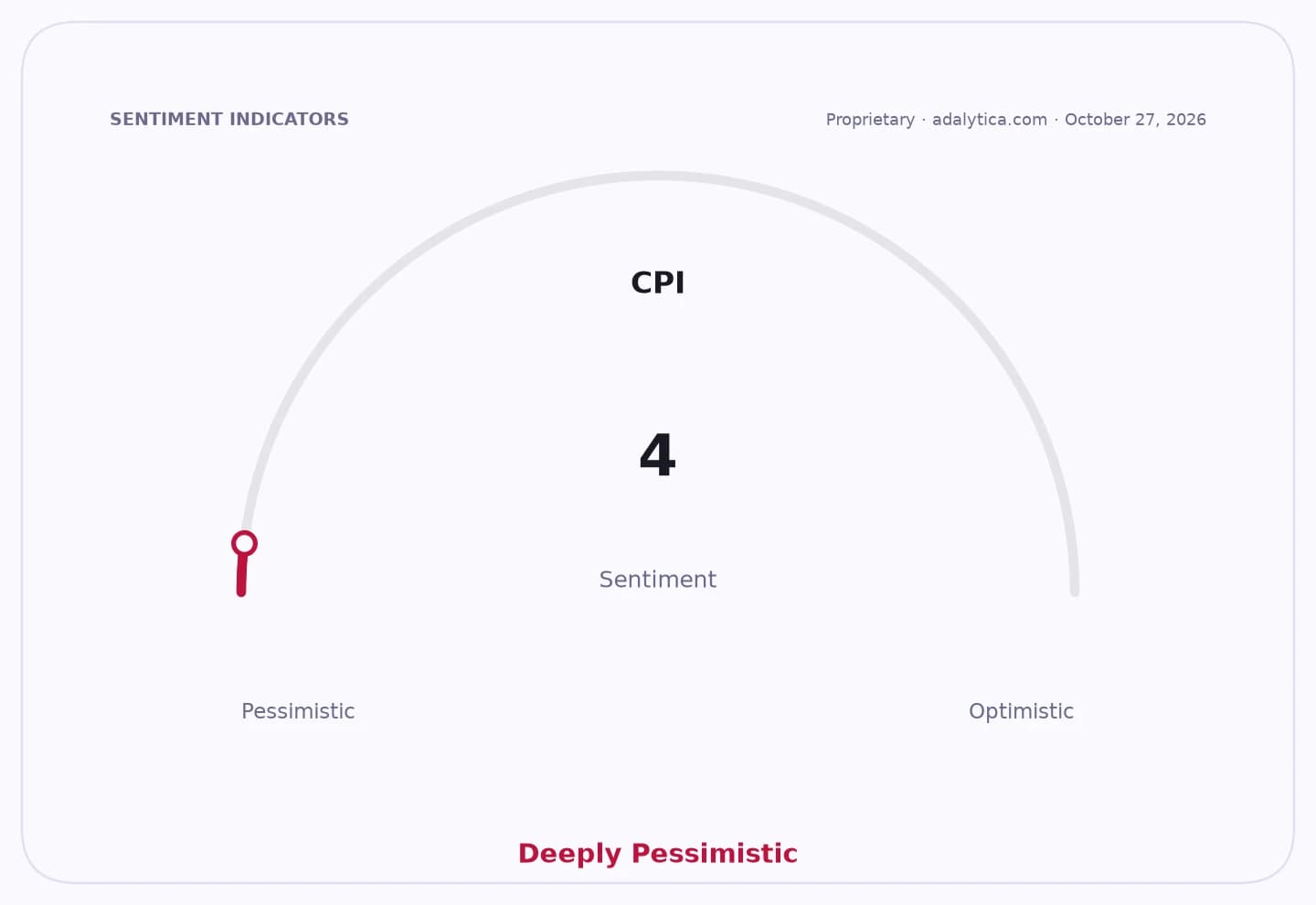
Sentiment Indicators
The pressure starts with maize, a key ingredient in animal feed. Corn prices have been volatile and recently weakened from earlier highs, but they remain elevated enough to keep feed costs uncomfortable. The broader agricultural backdrop is still inflationary: the U.S. corn benchmark has swung sharply over the past year, and wheat prices too have stayed well above levels seen earlier in the decade, underscoring how weather and supply shocks continue to ripple through global food markets. Even if commodity prices ease from peak levels, the damage to margins can lag, because livestock producers buy feed in large volumes and cannot instantly reset prices.
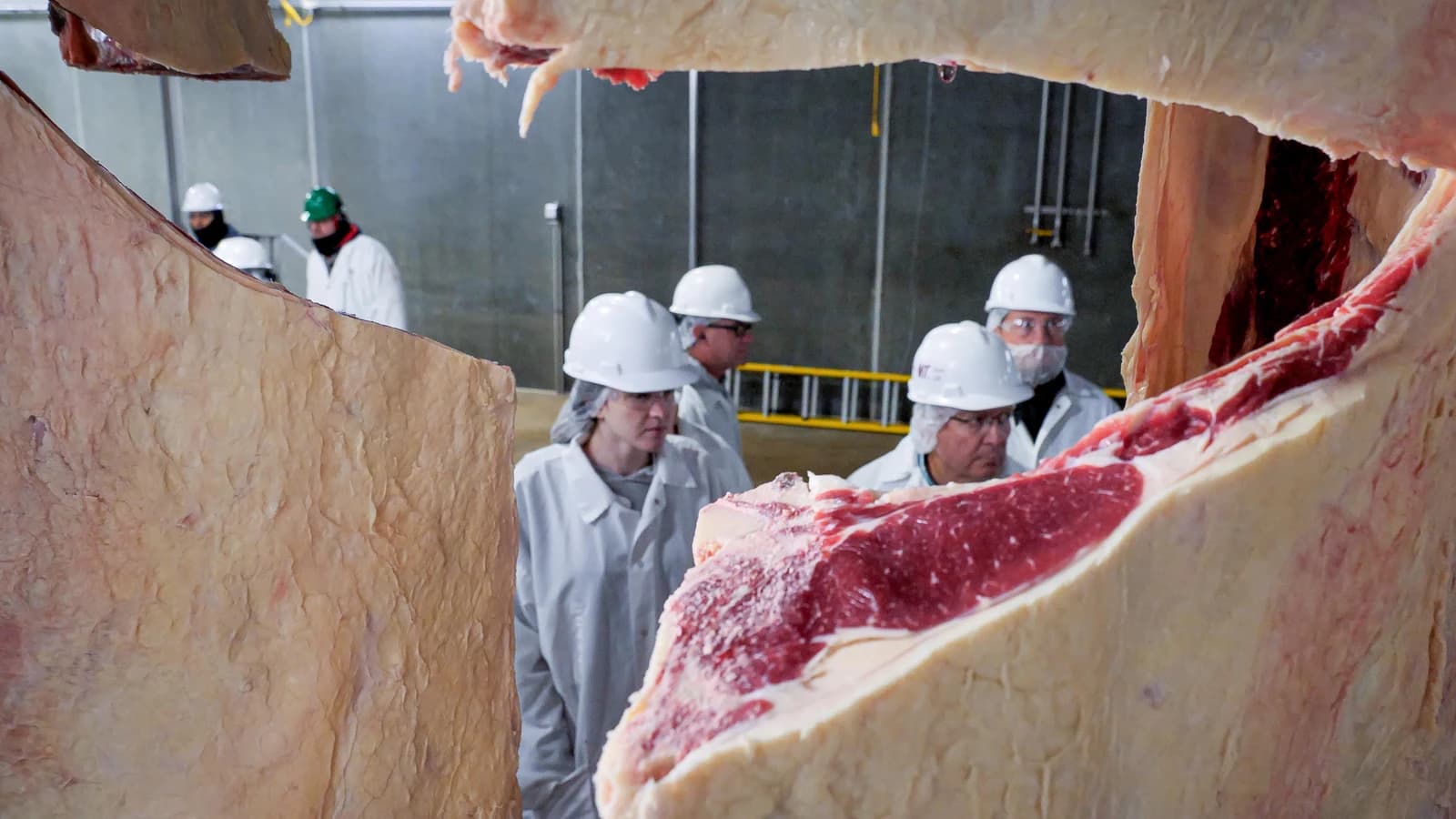
For investors, the story is bigger than one state’s drought. Rising feed costs can pressure poultry and dairy earnings, especially for companies with limited pricing power, while also supporting agriculture and grain-related businesses upstream. Tyson Foods has already flagged higher feed costs and weaker pricing conditions in its recent filings, a reminder that margin pressure in protein can show up quickly when grain costs rise. At the same time, stronger demand for corn from ethanol production adds another layer of competition for the same crop, which can keep feed markets tight even when consumer demand softens.
Food & Groceries vs CORNadalytica.com
Explore this data interactively — full history, time series and cross-market comparisons.
The market implication is straightforward: if drought persists and corn availability stays constrained, India’s food inflation problem could deepen through the supply chain. That would hit consumers first through eggs, chicken and milk, but it could also force producers to cut flocks, reduce milk output or delay restocking — decisions that would keep prices firm longer than many shoppers expect.
For long-term investors, this is a reminder to think in supply chains, not headlines. The companies that can manage input costs, secure grain supplies and maintain pricing discipline are the ones most likely to protect margins. The rest may be forced to absorb the shock. This is worth watching closely, especially if food inflation begins feeding back into broader consumer spending.
| Entity | Gains | Losses |
|---|---|---|
| Grain and ethanol producers | ▲Higher crop demand | ▼Livestock feed buyers |
| Poultry and dairy farmers | ▲None | ▼Rising input costs |
| Consumers | ▲None | ▼Higher eggs, chicken, milk prices |
| Feed-efficient, well-capitalized producers | ▲Better relative margins | ▼Smaller, price-sensitive rivals |