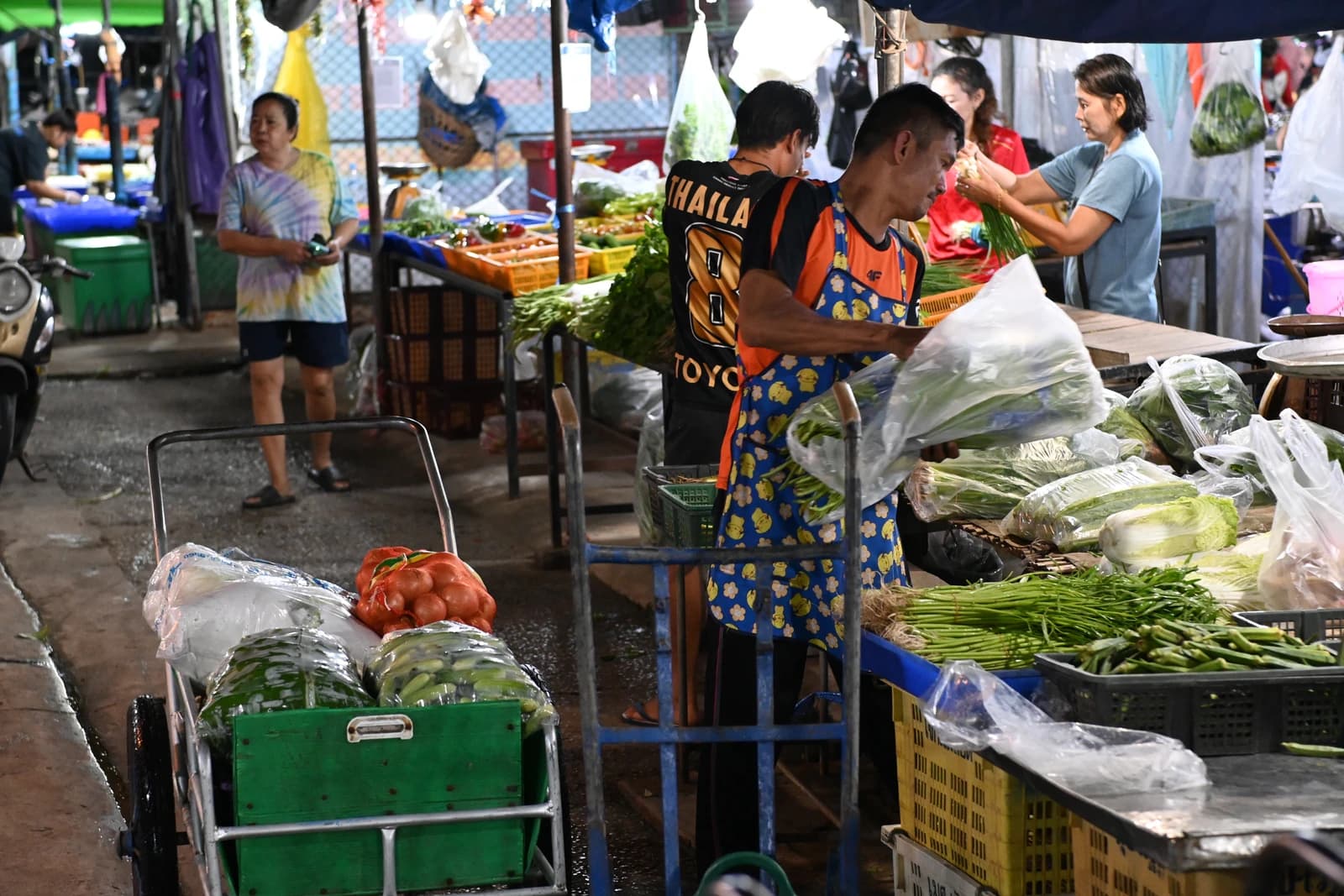
India’s deficient monsoon and falling reservoir levels are reviving the risk of food inflation, with wheat, pulses and vegetables most exposed if water shortages curb rabi sowing and yields. For households already facing elevated grocery bills, the concern is that an initially weather-driven supply squeeze could spread into broader inflation pressures over the coming months.
India Food Inflation Risk Rises on Weak Monsoon
Food & Groceries
The issue matters because food still carries outsized weight in Indian consumer budgets and in the broader inflation outlook. A weaker rabi season would tighten supplies of staples that are already prone to sharp seasonal swings, leaving policymakers with less room to ease rates if price pressure returns.
Sentiment Indicators
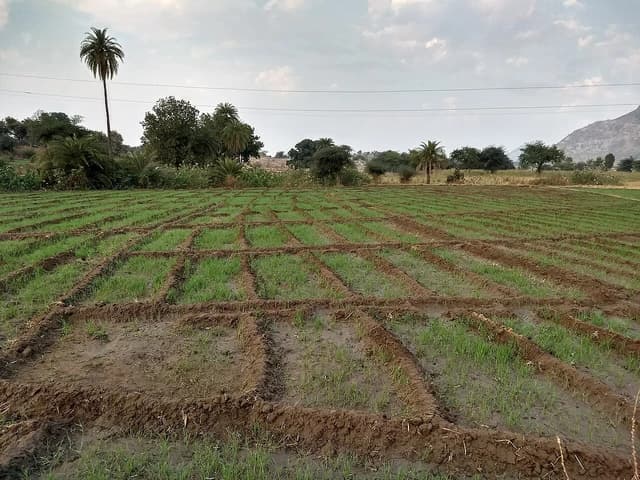
An agricultural economist writing in The Hindu BusinessLine said the key question is whether the rainfall deficit will hurt output beyond the kharif crop and feed into the next round of essential food costs. The main transmission channel is straightforward: less rain and lower reservoir levels can constrain irrigation, reduce planting and cut yields, especially for water-sensitive crops.
That would hit cereals and pulses first, but vegetables could also see faster price increases if production falters. For traders and consumer-goods investors, the risk is a renewed squeeze on rural and urban spending power, with staples inflation potentially lifting volatility in the broader CPI basket.
The market backdrop already reflects caution. India’s food-and-grocery sentiment gauge from Adalytica.com is in “fear” at 25, while its CPI sentiment reading is neutral at 42, suggesting investors and consumers remain wary of another inflation flare-up. In equity markets, the NiftyBees ETF has been hovering below its 200-day moving average, while ITC and DMart have also traded well beneath their longer-term trend lines, underscoring the market’s sensitivity to demand and margin risks tied to food costs.
Global food markets are offering little comfort. The World Bank expects food prices to keep rising into 2027 as drought and war-related shipping disruptions add strain, reinforcing how weather shocks can quickly become inflation shocks.
For investors, the next catalyst is whether reservoir levels and rainfall improve enough to protect rabi output. If not, India could face another round of sticky food inflation, complicating the outlook for rates, consumer demand and retail earnings.
| Entity | Gains | Losses |
|---|---|---|
| Crop producers with good irrigation access | ▲Stable output | ▼Price volatility |
| Wheat, pulse and vegetable buyers | ▲Lower risk of shortages | ▼Higher grocery bills |
| Indian policymakers | ▲Faster food-supply recovery | ▼Inflation pressure |
| Consumer stocks such as DMart and ITC | ▲Defensive demand if spending holds | ▼Margin and volume stress |