Winter vegetables are finally giving Dhaka households some relief, but rice — the staple that dominates the dinner table — is still edging higher, a reminder that food inflation remains stubbornly uncomfortable for consumers and merchants alike.
Dhaka Rice Prices Rise as Vegetables Ease
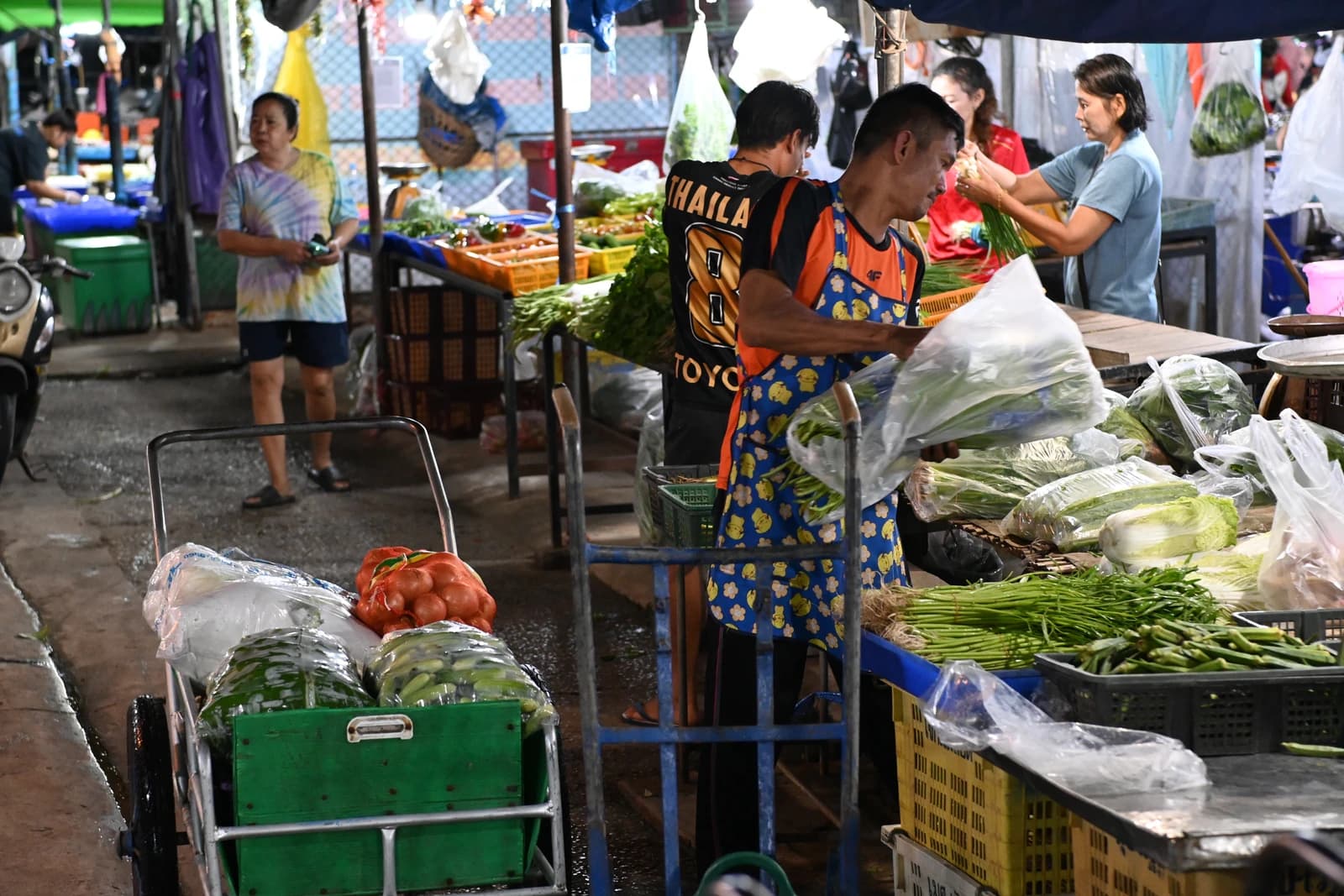
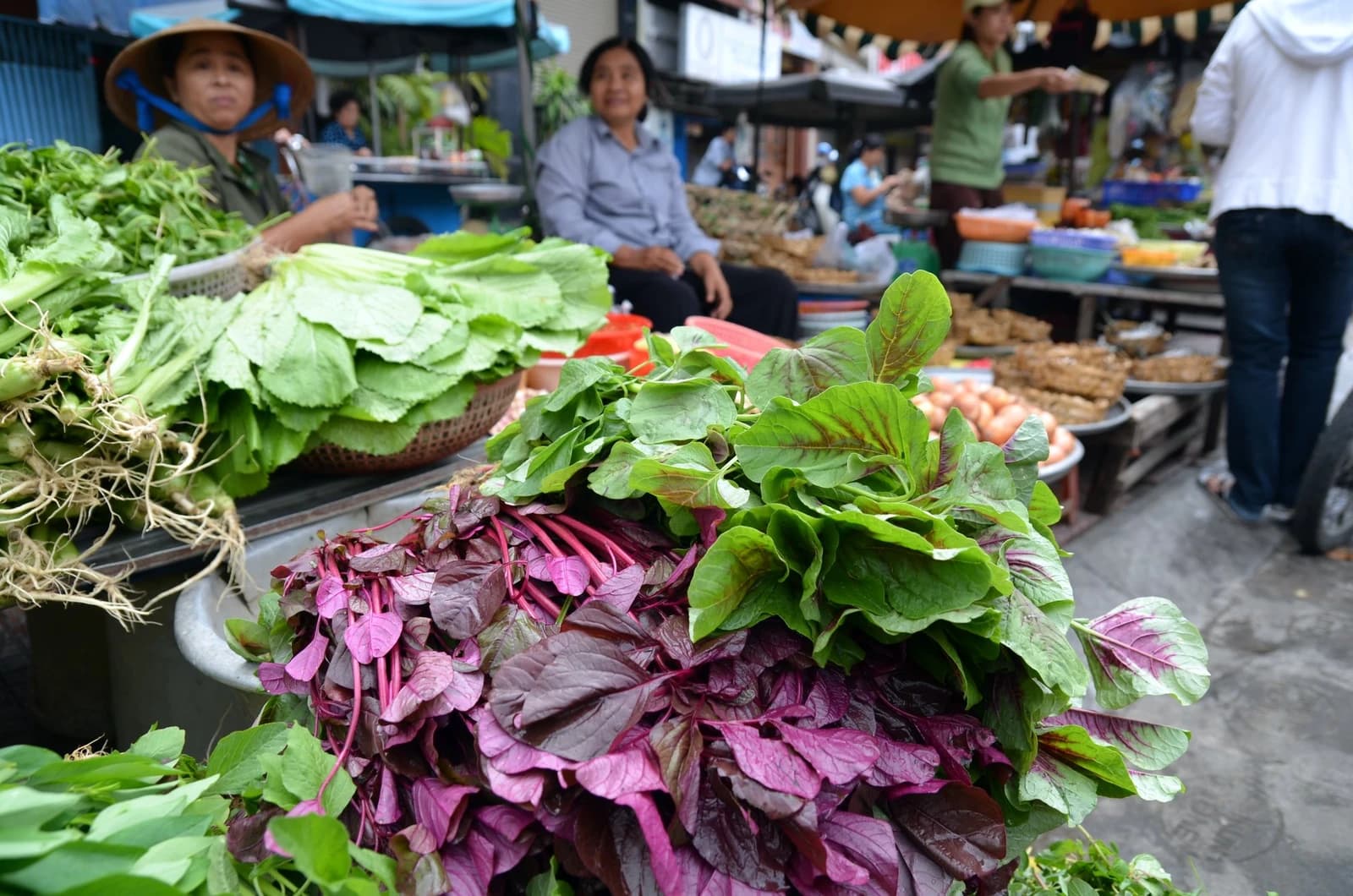
In kitchen markets across Mirpur, falling supplies of some produce and fish are pushing prices down, but the more important economic story is the split between relief at the margin and pressure on the main staple. That matters because rice carries far more weight in household budgets than cauliflower or gourds, especially for low-income families that have little room to absorb another increase.
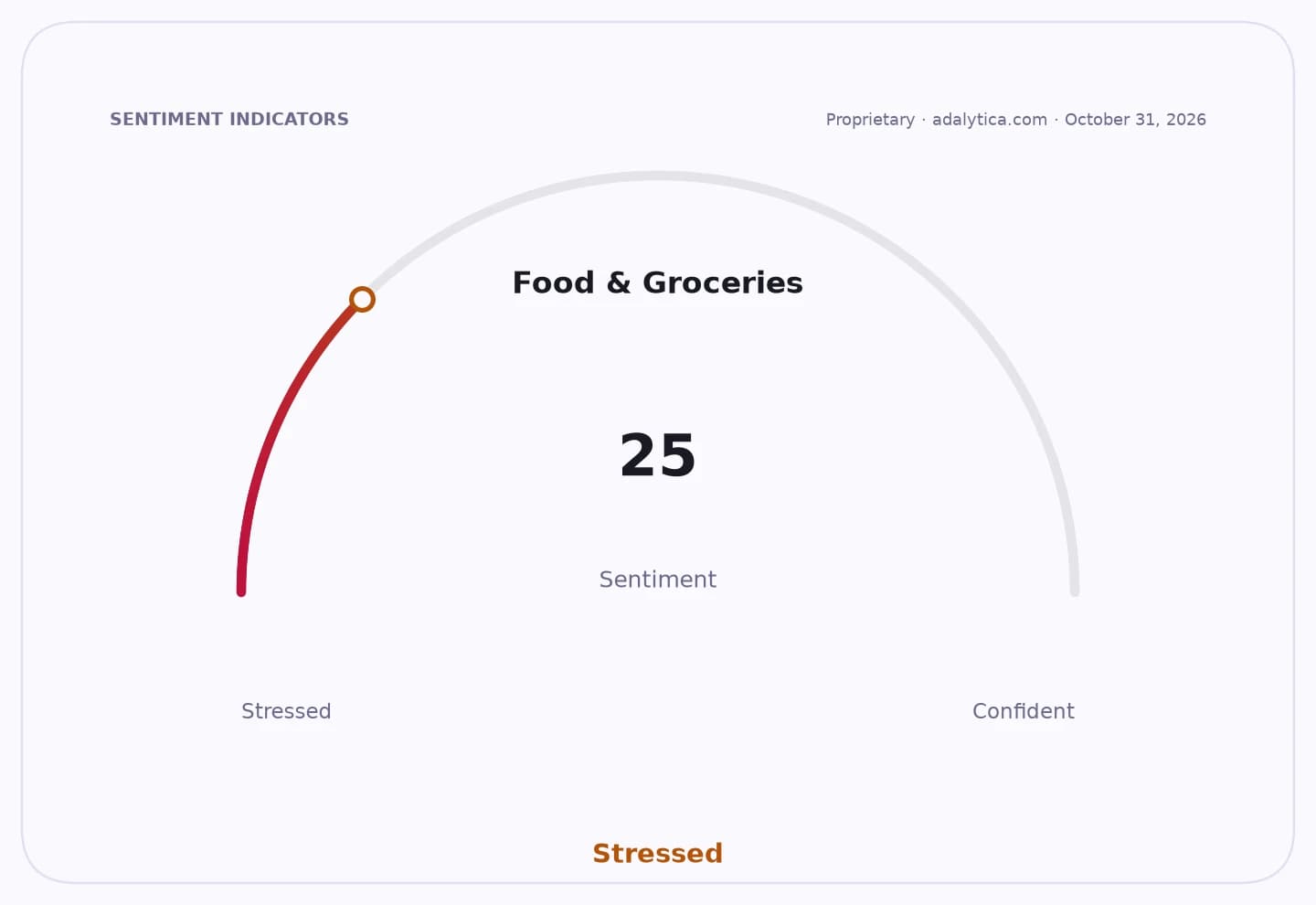
Sentiment Indicators

Winter vegetables were mostly Tk 10-20 per kg cheaper as arrivals improved, with many items now selling for Tk 40-80 per kg versus Tk 50-100 a week earlier. Cauliflowers and cabbages dropped to Tk 40-60 apiece from Tk 60-80, radish fell to Tk 40-50 per kg, and ridge gourd, sponge gourd and pointed gourd all eased to Tk 40-50. Onions also slipped to Tk 45-50 per kg from Tk 50-60, while green chillies and coriander became cheaper too.
Fish prices followed the same pattern. Increased supply of farmed, wetland and imported Indian fish pulled prices down by Tk 20 to Tk 100 per kg in some cases, with chital, tengra and rohu all cheaper than a week earlier. Eggs fell by Tk 5 a dozen to Tk 135-140. But that is where the good news largely ends for consumers.
Rice prices rose by another Tk 1 per kg across almost all varieties, marking a second straight weekly increase after months of stability. Traders blamed higher transport costs and dwindling stocks of old rice toward the end of the season, and said it could take at least two more months before new rice reaches the market. For households already stretching paychecks to cover food, even a small rise in the staple can offset gains elsewhere.
That is why this matters for investors and policymakers: food inflation is not moving in one clean direction. Lower vegetable and fish prices can ease pressure on the consumer price basket, but persistent gains in rice keep the floor under inflation firm. In a country where food makes up a large share of daily spending, that can limit discretionary demand and keep stress high for retailers, food distributors and consumer brands.
The broader backdrop is not reassuring. Global food prices remain under pressure from supply disruptions and high input costs, while the World Bank has warned that food insecurity is worsening. Even in a market where some seasonal relief is finally showing up, the bigger message is that agriculture remains vulnerable to transport costs, supply shortages and weather-linked swings.
For long-term investors, the lesson is simple: staples may be defensive, but they are not immune to margin pressure or consumer strain. Food producers with pricing power, efficient supply chains and reliable sourcing tend to fare better when volatility lingers. For everyone else, the mix of cheaper vegetables and pricier rice suggests the same old truth — inflation can cool in one aisle while staying hot in another, and households feel the difference immediately.
| Entity | Gains | Losses |
|---|---|---|
| Vegetables buyers | ▲Lower weekly bills | ▼Still face high prices in some items |
| Rice traders/suppliers | ▲Short-term pricing power | ▼Risk weaker demand if costs rise further |
| Low-income households | ▲Relief from cheaper produce and fish | ▼Rice inflation still squeezes budgets |
| Food retailers | ▲Higher traffic for discounted items | ▼Sluggish sales on pricier staples |