Rice is now selling from Bs 9 in Santa Cruz markets, a reminder that the pressure on household budgets is moving beyond a single product and into the core of Bolivia’s daily food basket.
Bolivia Food Prices Rise in Santa Cruz Markets
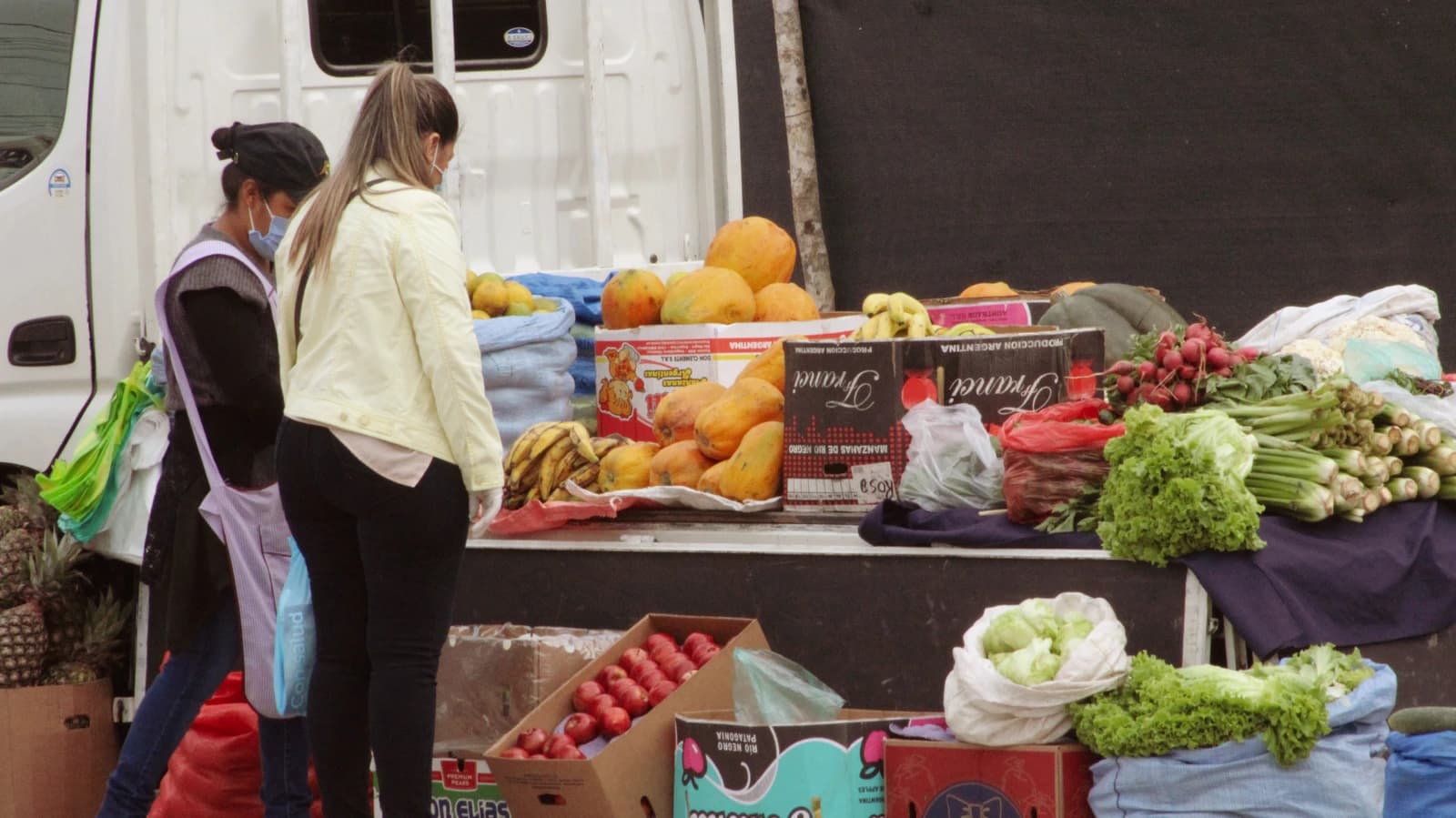
That matters because staples are where inflation becomes personal fastest. When rice, sugar, flour, oil and salt all move at once, families can cut back only so far before they are forced to buy less or trade down in quality. For retailers, that usually means more frustrated customers, thinner volumes and tougher replenishment. For the wider economy, it is the kind of price stress that can quickly feed expectations of more inflation ahead.
Sentiment Indicators
Vendors in Santa Cruz said rice that had been sold at Bs 7 or Bs 8 is now starting at Bs 9, while sugar has climbed from Bs 6 to Bs 7 in bulk and as high as Bs 8 in packaged form. One merchant said packaged sugar will rise again, possibly to Bs 9 from Monday. Flour, meanwhile, was reported up by Bs 50 to Bs 60 per quintal. Those are not abstract moves. They are the costs that hit breakfast, lunch and dinner tables first.
The bigger concern is that this is not just a pricing story — it is also an availability story. Merchants said national cooking oil is not arriving in sufficient quantities, and salt deliveries have become less frequent. Scarcity tends to matter as much as price because weak supply gives sellers less choice and leaves consumers exposed to even sharper jumps if distribution tightens further.
For investors, food inflation is important because it reaches well beyond grocery stalls. Persistent increases in basic food costs can pressure consumer spending, complicate policy decisions and keep input costs elevated for retailers and food companies. It also reinforces a broader global backdrop in which food inflation is staying sticky, with energy and supply disruptions keeping pressure on the cost of staples.
That makes Santa Cruz a local snapshot of a much bigger investing theme: when supply chains are strained, the cheapest items in the basket are often the first to become expensive. If authorities cannot stabilize distribution, more price hikes would not be surprising. For households, that is bad news. For long-term investors, it is another reason to watch food suppliers, retailers and inflation-sensitive businesses closely and stay diversified.
| Entity | Gains | Losses |
|---|---|---|
| Food sellers | ▲Higher sticker prices | ▼Lower sales volumes |
| Households | ▲None | ▼Higher grocery bills |
| Suppliers with inventory | ▲Better pricing power | ▼Risk of demand slowdown |
| Consumers waiting for relief | ▲Possible policy response | ▼Ongoing food inflation |