A supermarket fight for shoppers is keeping a pack of traditional Dutch stroopwafels at just 35 cents even as the broader cost of living stays elevated, underscoring how cutthroat food retail has become in the Netherlands and why investors should watch margin pressure in the sector, not just headline inflation.
Dutch grocery price war squeezes supermarket margins
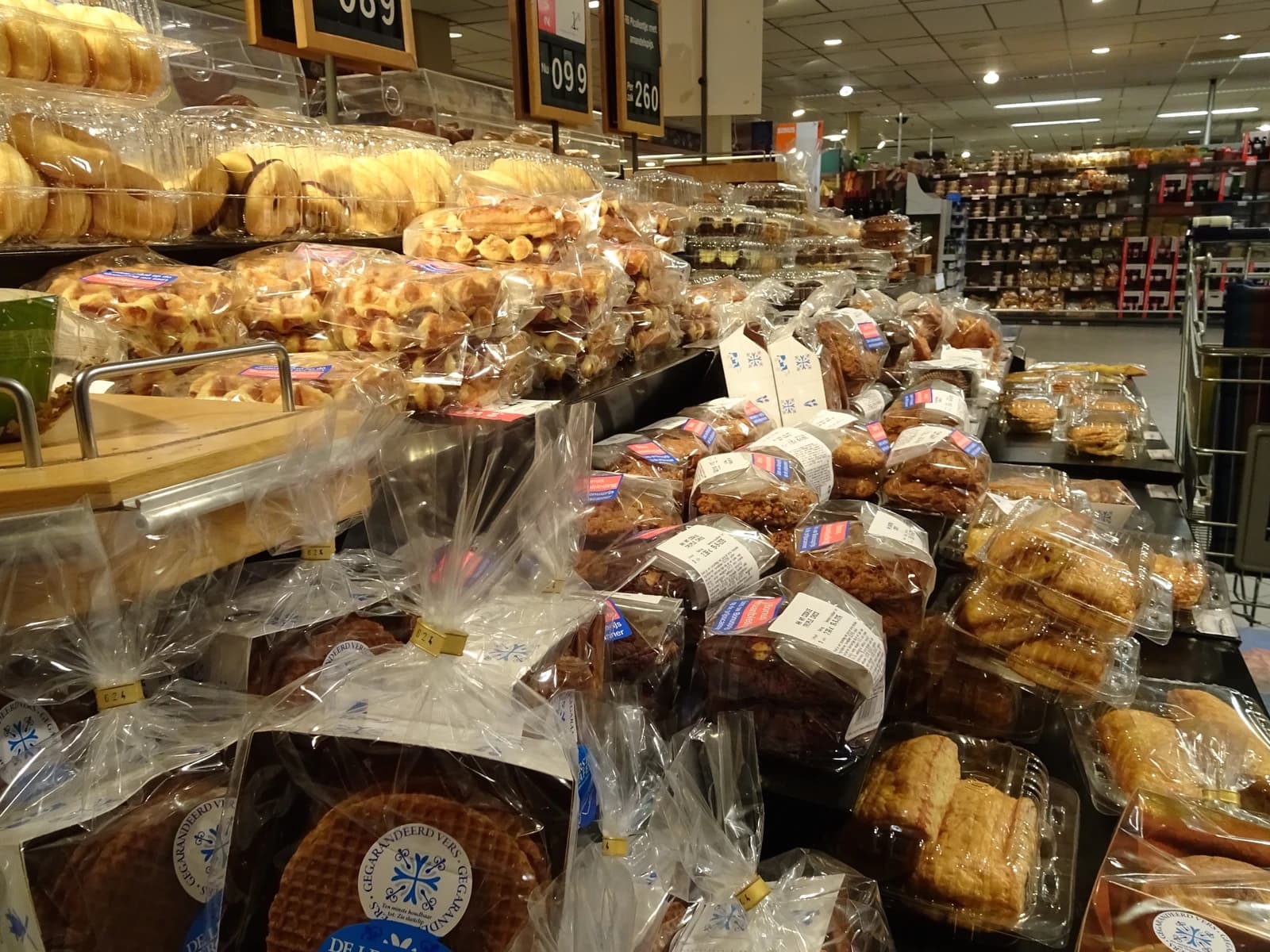
The most important development is not the biscuit itself, but the way fierce competition among grocers is forcing staple prices down in a market where consumers remain highly price-sensitive. That matters economically because food retailers are defending traffic by absorbing more of the inflation burden, a dynamic that can restrain store-level pricing power even when national consumer prices are still climbing.
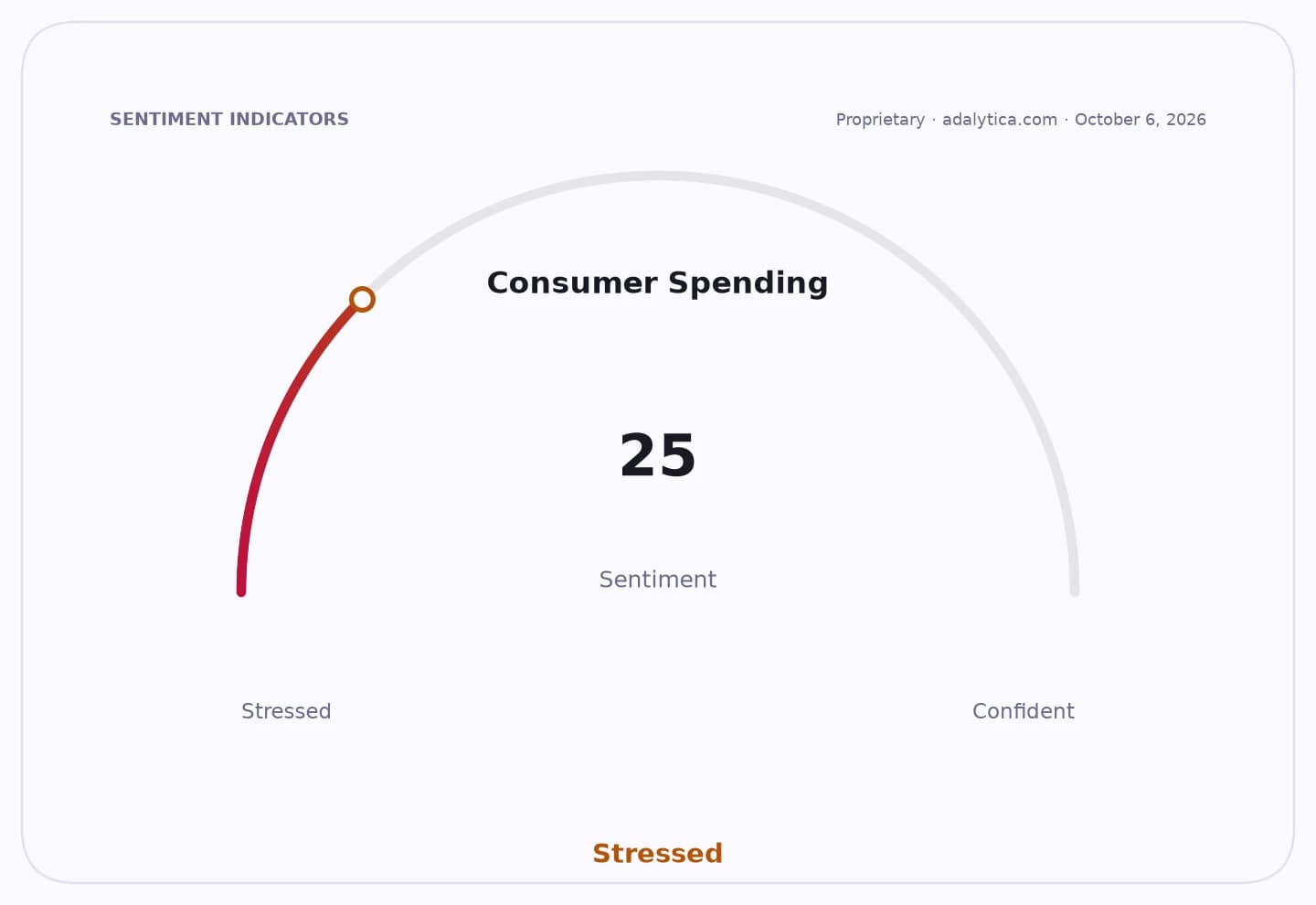
Sentiment Indicators
The U.S. consumer price index context shows inflation is still positive, with CPI projected at 335.8 in October after 336.3 in September, but the Dutch retail snapshot suggests the battle at the shelf is different from the macro backdrop. In other words, the pricing fight is happening inside the inflation number, where branded and private-label staples are being used as weapons to win market share.
For investors, that makes supermarket operators and consumer-goods suppliers the real story. Low-priced essentials can draw shoppers into stores, but prolonged discounting can squeeze gross margins and force retailers to lean harder on scale, logistics and private-label mix. That tends to favor the biggest players with the deepest purchasing power, while smaller chains and premium brands risk being forced into more aggressive promotions.
Costco, Walmart and Target stock charts help illustrate the broader consumer-tradeoff theme: investors are rewarding companies that can combine traffic with pricing discipline, while punishing those that lose it. Walmart has rallied to $123.51, up from $106.22 in late November, as its shares sit well above the 50-day and 200-day moving averages. Costco has surged to $1,012.28, while Target has rebounded to $154.38 after a volatile year, but it still trails its summer peak near $170. The message is clear: markets are still paying for resilience in value retail, but they are unforgiving when margins come under pressure.
Technical indicators also point to a stretched but still-strong setup in Costco, with RSI at 68.3 and price back near the upper Bollinger Band, while Walmart’s RSI at 76.7 suggests momentum is extended. Target’s RSI near 51 looks far less overbought, which fits a more uncertain recovery profile. Those are conventional technical indicators, but they reinforce the same thesis: the winners in retail are those with scale, traffic and the ability to manage food inflation without destroying earnings quality.
The bigger narrative is that grocery inflation is no longer just a macro problem; it is becoming a competitive weapon. When a pack of traditional Dutch biscuits sells for 35 cents, that is not just a quirky supermarket headline. It is evidence that the battle for household budgets is shifting from consumers to retailers, and that the next profit pool may belong to the chains that can buy cheapest, move fastest and keep customers loyal through the price war.
Investors looking for asymmetric opportunity should think in terms of the toll collectors on everyday spending: the largest grocers, private-label suppliers and low-cost logistics networks. The market may be underestimating how long this price war lasts, and how much it rewards scale over branding. In this environment, buy the operators that can win volume without sacrificing margin, and be selective with anyone dependent on premium pricing.
| Entity | Gains | Losses |
|---|---|---|
| Large grocers | ▲Higher traffic | ▼Margin pressure |
| Shoppers | ▲Lower shelf prices | ▼Fewer premium choices |
| Private-label suppliers | ▲More shelf space | ▼Brand manufacturers |
| Small retailers | ▲None | ▼Pricing power |