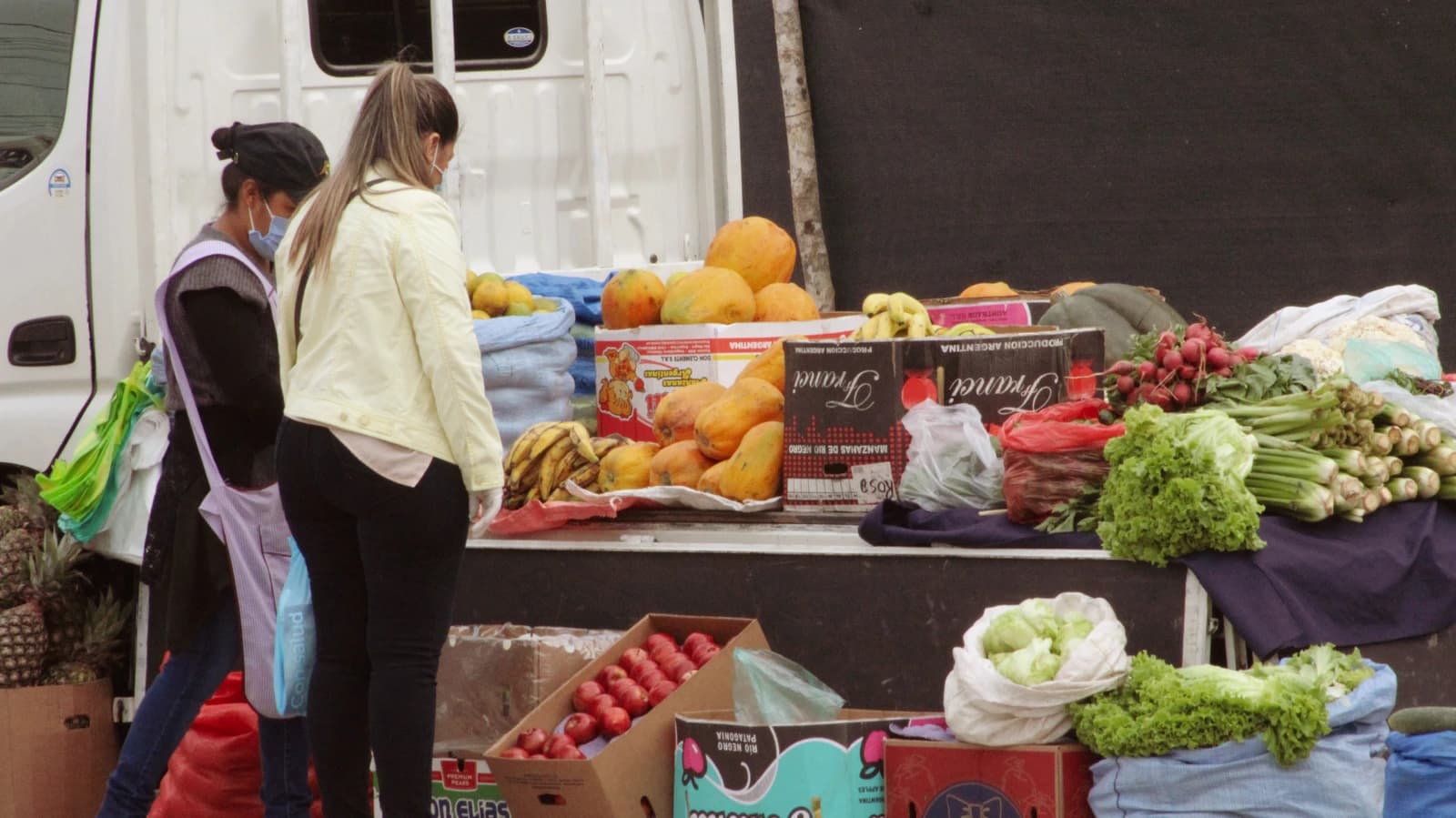
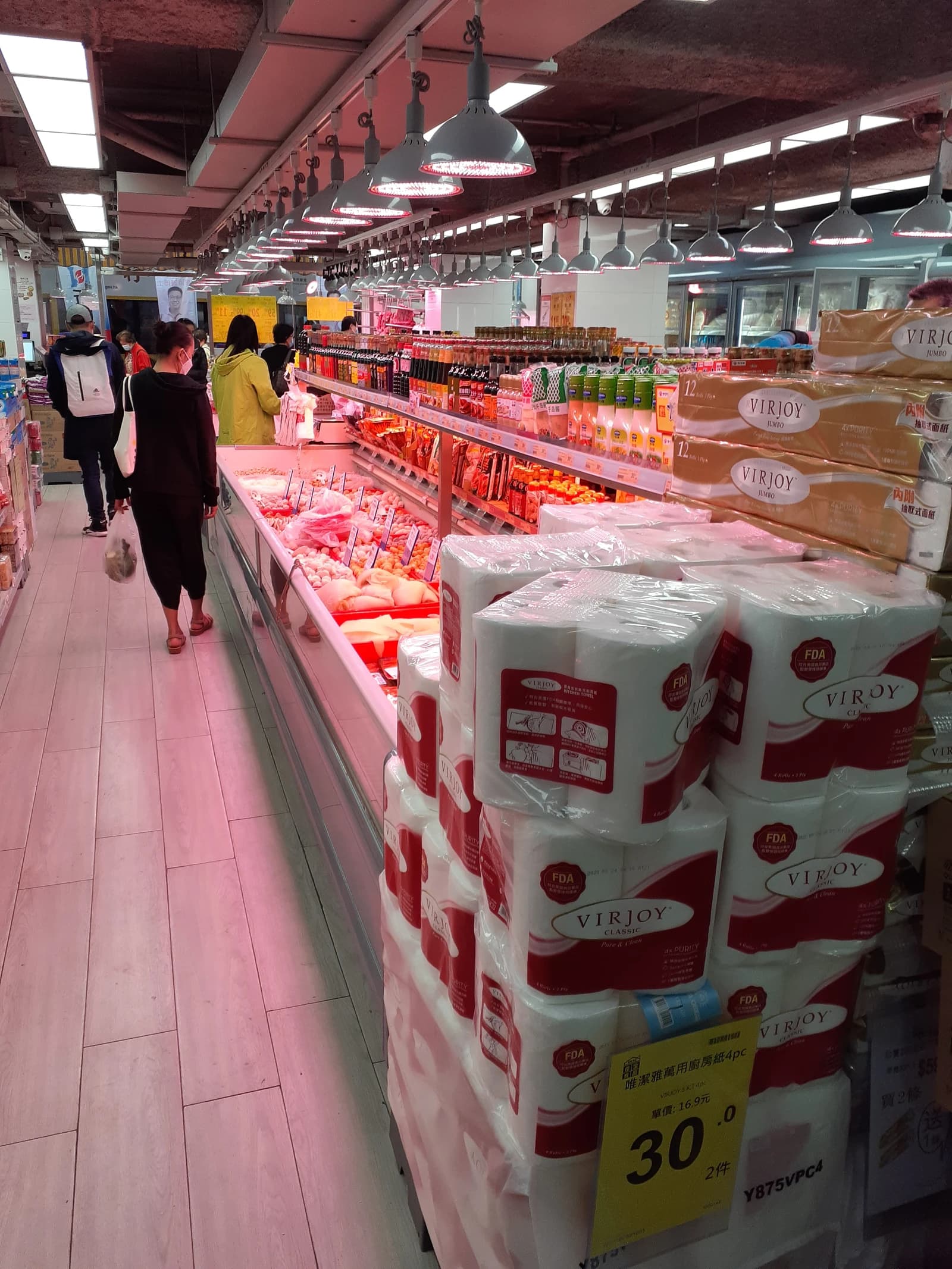
Inflation is easing, but supermarket prices are still biting hard, with fruit and vegetables 35.7% more expensive over the past year even as overall consumer price growth slowed to 7.3%.
Inflation eases as food prices stay high
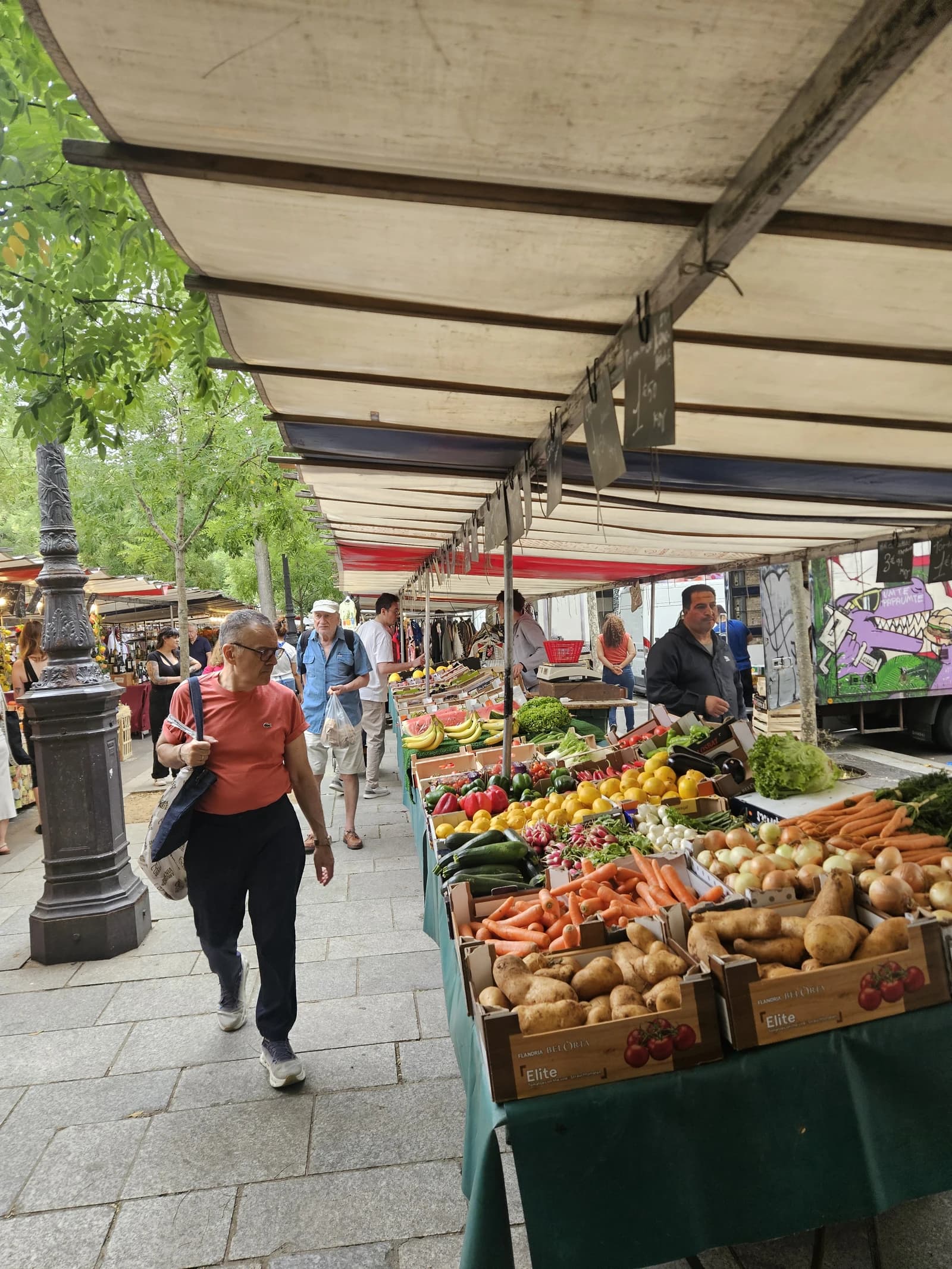
The latest ABS figures underscore how uneven the disinflation process has become. For households, the headline rate may be cooling, but the items that dominate weekly shopping baskets remain stubbornly costly, leaving little relief at the checkout.
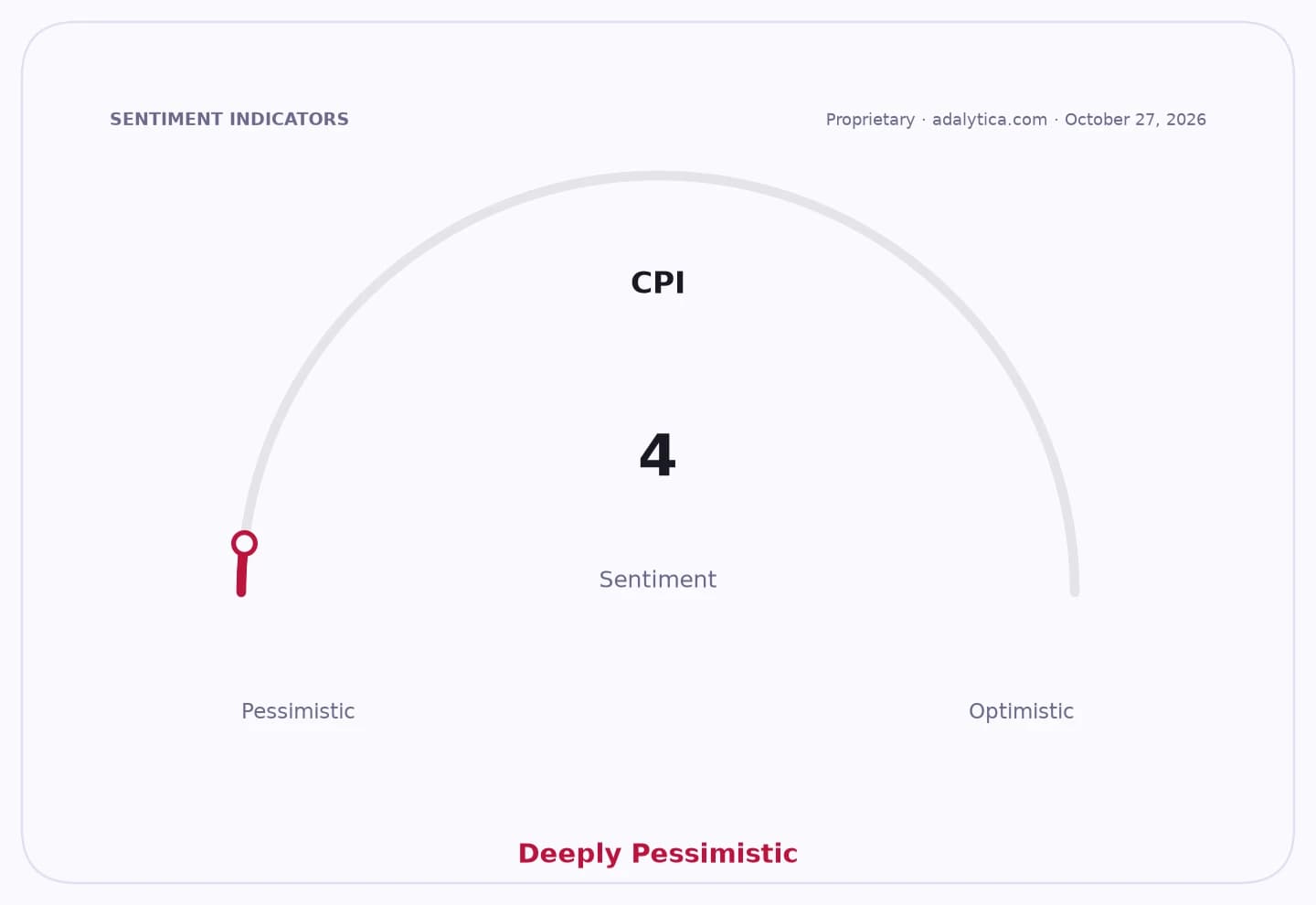
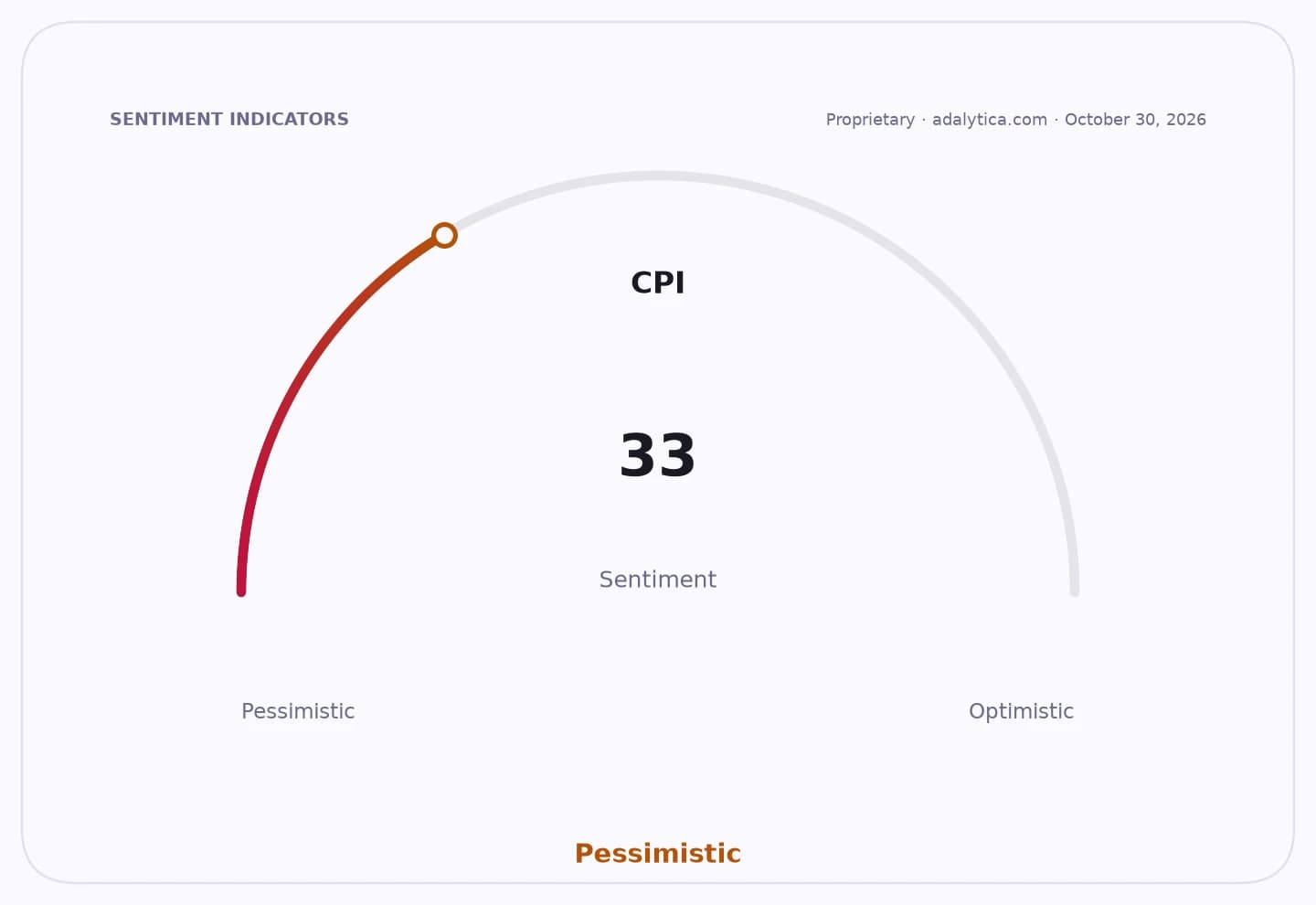
Sentiment Indicators
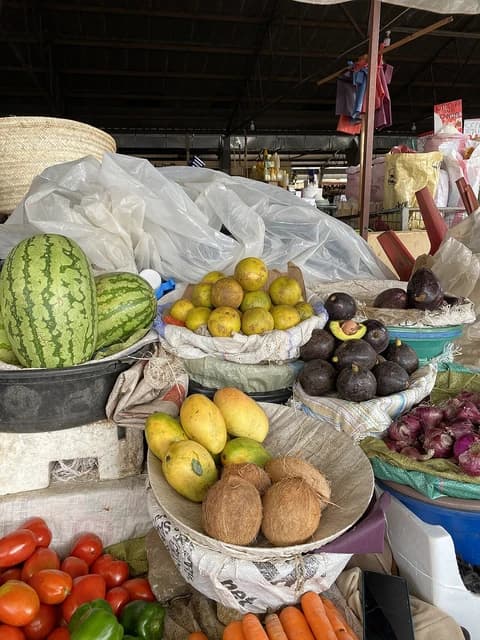
Food inflation is doing most of the damage. Alongside fruit and vegetables, medical care, milk, eggs and fish also posted sharp increases, showing that price pressure is concentrated in everyday essentials rather than fading evenly across the economy.
That matters economically because sticky food prices keep disposable incomes under strain and force consumers to cut back elsewhere. Even when inflation moderates, a surge in necessities can delay any meaningful recovery in real spending power and keep pressure on wage demands, retailers and policymakers.
CPI
Investors are watching those dynamics closely because they shape consumer demand, margins and central-bank expectations. Higher grocery bills can support sales volumes for food retailers in nominal terms, but they also squeeze discretionary spending and raise the risk that inflation remains politically sensitive despite the broader slowdown.
The market read-through is mixed. Walmart gained as investors continued to favor large retailers with scale and pricing power, while Costco also held firm, with its shares recently trading above both the 50-day and 200-day moving averages. Target has been far more volatile, reflecting the tougher environment for general merchandise spending.
The broader narrative is that inflation is no longer broad-based in the way it was during the peak of the price surge, but it is still punishing consumers where it hurts most. Unless food costs cool more decisively, the retreat in the overall rate is unlikely to feel like relief for many households.
| Entity | Gains | Losses |
|---|---|---|
| Grocery retailers with scale | ▲Higher nominal sales | ▼Margin pressure from costs |
| Consumers | ▲Some easing in headline inflation | ▼Still-pay-up grocery basket |
| Walmart | ▲Defensive demand, traffic | ▼Discretionary spending weakness |
| Target | ▲Potential bargain hunting | ▼Softer middle-income spending |