Coffee is proving unusually hard to cheapen even after futures pulled back from record highs, because tariffs, shipping disruptions and weather shocks have changed where beans are grown, routed and sold.
Coffee Prices Stay High After Futures Pullback

That matters because coffee is one of the clearest examples of how geopolitics now filters into everyday inflation. The drink is structurally inelastic — consumers keep buying it even when prices rise — so the shock is absorbed through margins, retail pricing and household spending rather than demand destruction. For investors, that makes the coffee chain a test case for persistent food inflation, producer pricing power and the market’s sensitivity to supply-side volatility.
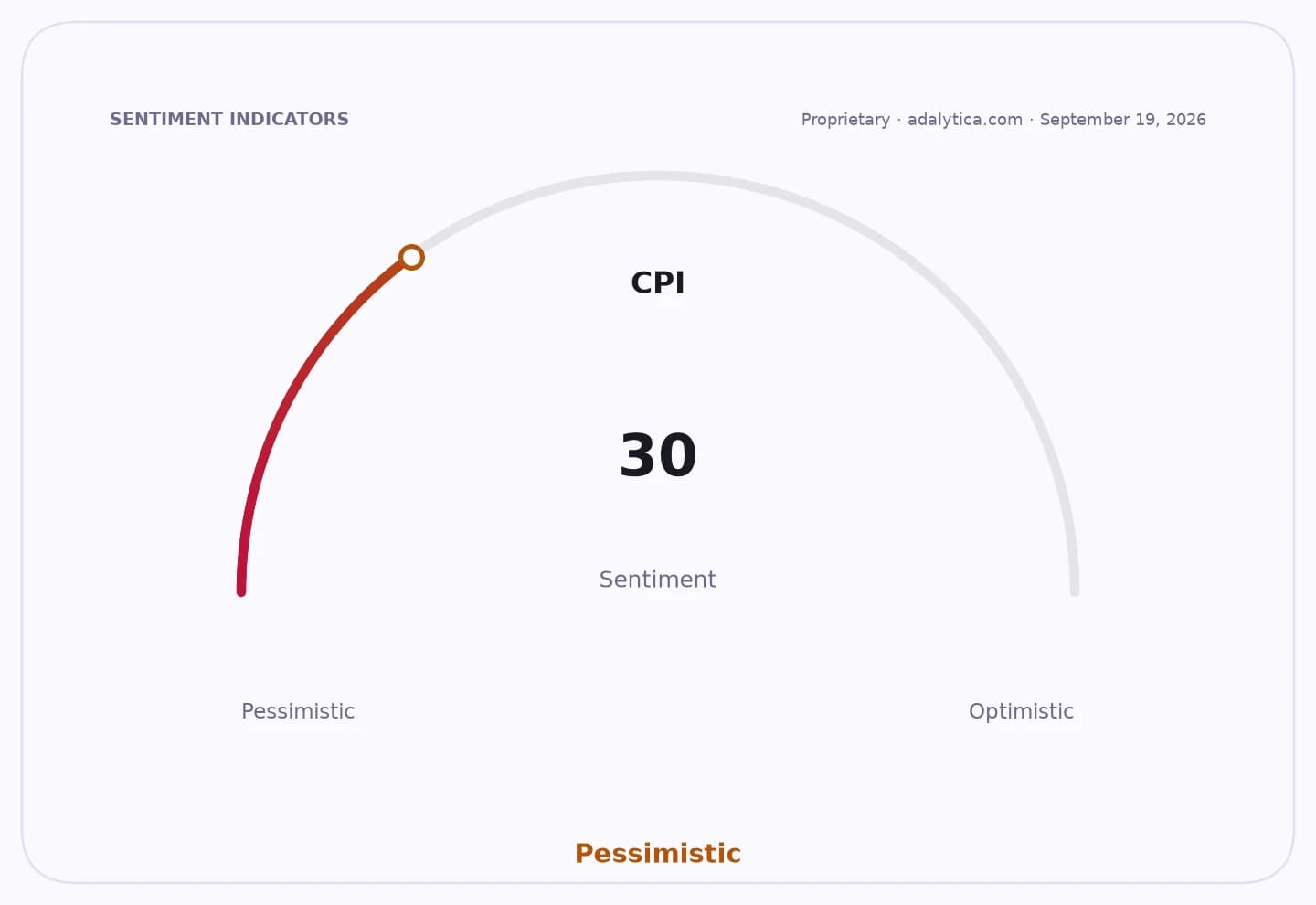
Sentiment IndicatorsⓘProprietary · adalytica.com · October 9, 2026
This is a snapshot — live sentiment, awareness and momentum for 130+ markets update continuously in the dashboard.Open AlphaPulse
Arabica futures, which climbed from about $1.20 a pound to roughly $4 at the peak, have fallen back to around $3.08, but that is still far above long-run norms. Robusta has also risen. The earlier surge reflected crop damage from Brazil’s 2021 frost and Vietnam’s severe drought in early 2024, which cut rainfall by about 30% and tightened supply from the two biggest producing regions. Brazil accounts for roughly a third of global coffee output and Vietnam about 18%, so weather in those countries quickly ripples through global benchmarks.
The bigger story now is that trade policy and conflict have kept prices elevated even as some futures have eased. Since Donald Trump returned to the White House, coffee prices in U.S. stores have risen about 22% in a little more than 18 months, according to the BBC report cited in the source material. Tariffs on Vietnam, Indonesia and Brazil diverted trade flows, reduced Brazilian shipments to the U.S. and pushed American buyers toward Colombia, lifting prices there too. Brazil redirected more coffee to Europe, helping limit the rise there, but not offsetting the broader pressure.
The political effect was strong enough that Trump removed coffee tariffs in November after U.S. consumers balked. That underscores the limits of protectionism in a crop that cannot be reshored to a temperate climate. The price of coffee is set not just by policy but by agronomy, which means trade barriers tend to redistribute costs rather than create supply.
Shipping has become another structural support for prices. Conflict in the Middle East has forced vessels carrying Vietnamese beans to sail around southern Africa to avoid Houthi attacks near Bab el-Mandeb, adding about 4,000 kilometres to the journey to Europe. Longer routes mean higher freight costs, longer delivery times and more inventory risk for roasters and retailers already operating on thin margins.
That helps explain why café prices have not followed futures lower. In Croatia, restaurants and cafés were 6.1% more expensive in August than a year earlier, and the cost of food and drink preparation was 1.7% higher in mid-2026 than a year earlier, according to the national statistics office. Labour, utilities and taxes are now a bigger part of the cup than the bean alone, so wholesale declines take time to reach consumers — if they do at all.
For investors, the message is that coffee has become less of a simple commodity trade and more of a geopolitical and logistics trade. The bull case still rests on climate shocks, shipping disruption and sticky consumer demand. The bear case is that futures have already corrected from extremes and demand could eventually soften if retail prices stay elevated long enough. But the near-term balance still favours firms with pricing power and diversified sourcing, while leaving cafés, roasters and importers exposed to another round of cost pass-through pressure.
| Entity | Gains | Losses |
|---|---|---|
| Coffee growers | ▲Higher farm-gate prices | ▼Weather damage risk |
| Roasters and cafés | ▲Pricing power at retail | ▼Margin pressure |
| Consumers | ▲Supply remains available | ▼Higher household spend |
| Brazil and Colombia exporters | ▲Redirected demand | ▼Trade disruption costs |